🧒 The Best First Pets for Kids and Beginners
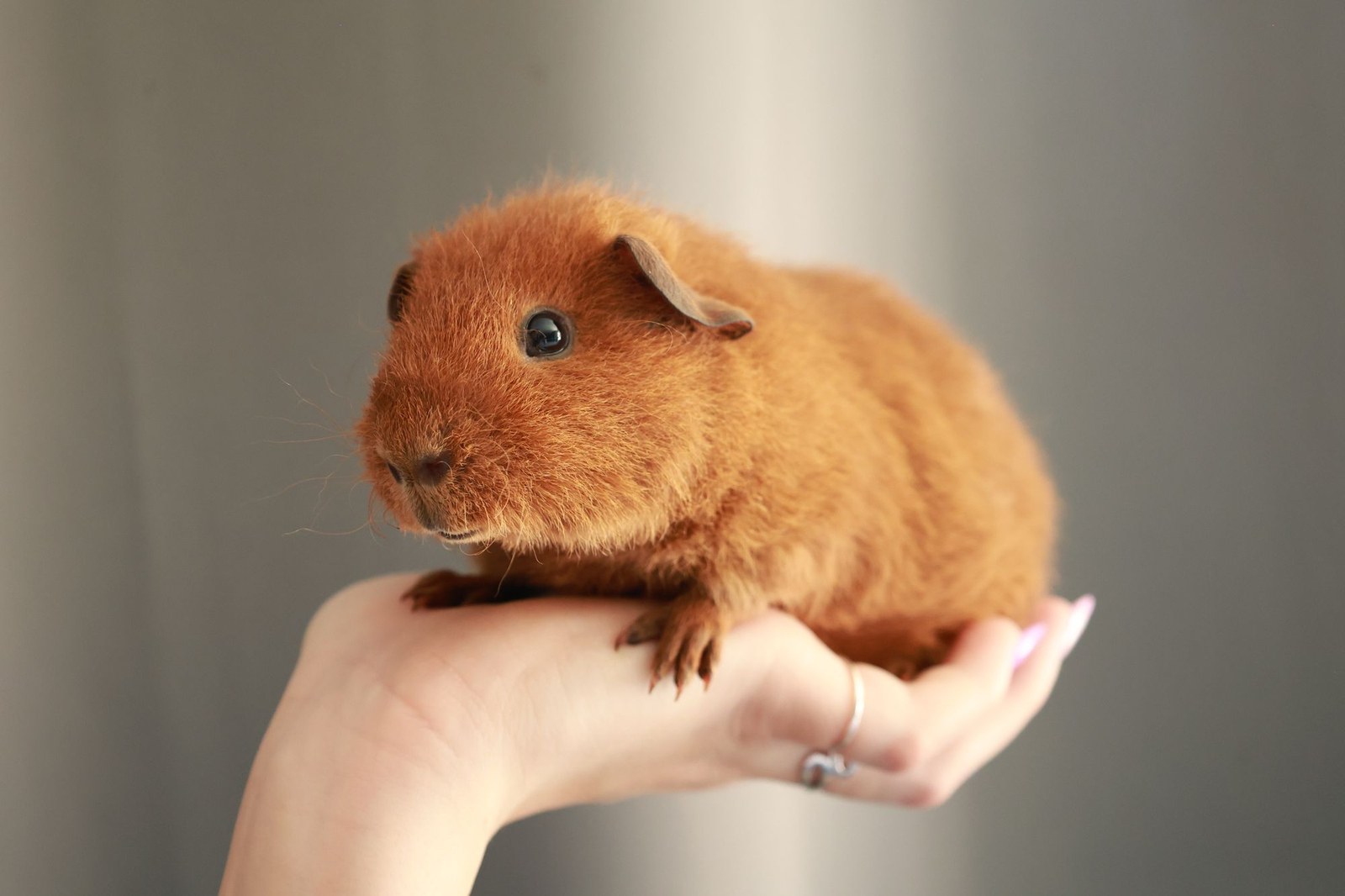
The best pets for kids are gentle, hardy, and easy to care for with a grown-up's help. For most families, a wonderful first pet is a guinea pig, a tank of fish, a friendly rat, or a leopard gecko. A rabbit or a hamster can be a good fit too, depending on your child's age. The truth is that the "best" pet depends less on the animal and more on your family — your child's age, your daily schedule, your budget, and who will really be doing the caring.
What makes a good first pet for a child
Before you fall in love with a fuzzy face, it helps to run through a few simple questions. A great starter pet usually checks most of these boxes:
- Gentle and hard to hurt (or be hurt by). Kids are still learning soft hands, so calm animals that rarely bite are best.
- Manageable daily care. Fresh food, clean water, and a tidy home should take minutes, not hours.
- A size and lifespan that fit your family. A goldfish and a parrot are both pets, but they ask very different things of you over the years.
- An honest look at cost. The animal is often the cheapest part — the habitat, food, and vet care add up.
- A grown-up who is truly in charge. No matter the child's age, an adult is the safety net who makes sure the pet is always cared for.
If a pet fits your real life on a busy Tuesday, not just a dreamy Saturday, it's probably a good match.
The top pets for kids
- Guinea pigs are many families' favorite first pet. They're big enough to hold safely, they rarely bite, and they "popcorn" and squeak with happiness. They do best in pairs and need daily fresh veggies and hay.
- Fish are calm, quiet, and fascinating to watch. A properly sized tank teaches kids that a clean, stable home keeps a pet healthy — a great low-touch starter, though tanks need regular upkeep.
- Rats surprise people. They're smart, affectionate, and love to sit on a shoulder. Many bond closely with their kids and can learn little tricks.
- Leopard geckos are calm, hardy reptiles that tolerate gentle handling. They're a great pick for a kid fascinated by reptiles, with the reminder that everyone washes hands after touching them.
- Rabbits are affectionate and full of personality, but they're a bigger commitment — they can live 8-12 years, need a rabbit friend to live with, and often prefer sitting beside a child to being picked up.
- Hamsters are small, tidy, and inexpensive, but they're nocturnal and quick, so they suit slightly older kids with patient hands.
Match the pet to your child's age
Age matters more than almost anything else. A pet that's perfect for a 14-year-old can be a poor fit for a 3-year-old, and the other way around. Here's the quick version, with a full guide for each stage:
- Toddlers (1-4): think "watch, don't hold." Fish and a calm older cat shine here, with a grown-up doing the real care. See best pets for toddlers.
- Young kids (5-8): ready for simple daily jobs with help. Guinea pigs, rats, and budgies are stars. See best pets for young kids.
- Tweens (9-12): can handle most of the care and love a pet that matches their interests. See best pets for tweens.
- Teens (13+): ready for near-adult responsibility and bigger commitments like a dog or cat. See best pets for teens.
If you want tailored ideas, our Pet Finder can narrow things down in a minute.
What to think about before you bring one home
A few gentle cautions save a lot of heartache. Very young children should never be left alone with any pet — for the child's safety and the animal's. Small, fast pets like hamsters, gerbils, and mice can nip when startled, so they're better for older, calmer hands. Reptiles and amphibians can carry salmonella, which is why hand-washing is a firm rule and why health experts don't recommend them for households with kids under five — the same advice covers pet rodents, ferrets, and chicks. And remember that "starter" doesn't mean "disposable" — every pet on this list is a living creature that deserves years of good care. If your family isn't ready for that yet, that's okay; a fish tank or even a visit to a friend's pet can be a lovely first step.
Whatever you choose, the goal is the same: a happy, healthy animal and a kid who learns kindness and responsibility along the way.
Ready to find your match? Explore the age guides above, then take our free pet quiz to see which pet fits your family best.
🛒 Recommended supplies
Hand-picked gear for this guide. Affiliate links — we may earn a commission. The $/$$/$$$ badges are a rough budget guide, not live prices.






❓ Common questions
What is the best pet for a child?
For most families, a guinea pig, fish, rat, or leopard gecko makes a great first pet because they're gentle, hardy, and easy to care for with a grown-up's help. The best choice depends on your child's age, your schedule, and who will handle the daily care. Match the pet to your family's real routine, not just the cutest animal.
What is a good first pet for a young child?
Guinea pigs and fish are two of the best first pets for young children. Guinea pigs are big enough to hold safely and rarely bite, while a fish tank teaches care with no handling required. Both let a child help with daily tasks while a parent stays in charge.
What is the easiest pet for kids to take care of?
Fish are often the easiest pet to care for day to day, since they mainly need feeding and a clean, stable tank. Guinea pigs and leopard geckos are also fairly simple once their home is set up. Remember that "easy" still means daily attention and regular cleaning.
Should a parent help care for a kid's pet?
Yes. No matter how responsible a child is, a grown-up should always be the safety net who makes sure the pet is fed, clean, and healthy. Sharing the care teaches responsibility while protecting the animal. Think of it as a team job, with the adult as team captain.
What pets should families with very young kids avoid?
Health experts ask that children under five don't have hands-on contact with reptiles, amphibians, chicks and ducklings, ferrets, or any pet rodent — so guinea pigs and rats as well as hamsters and gerbils. It's about germs more than nippy teeth: little hands end up in little mouths. These pets suit older children with calmer hands and steady hand-washing habits. Calm fish or a mellow older cat are safer starting points.
How do I choose the right pet for my child's age?
Start with your child's age and how much they can safely do themselves, then match a pet to that level. Toddlers do best watching fish or a calm cat, young kids can handle simple jobs with a guinea pig or rat, tweens can manage most care, and teens are ready for bigger commitments. Our age guides and free quiz can help you decide.
👩🏫 Reviewed by a teacher
Stacey Fernandez, M.A. — gifted education teacher, Albuquerque Public Schools
Stacey has taught K-8 for more than a decade in New Mexico, Virginia, and Georgia — mathematics, algebra, information technology, and STEAM — and now teaches gifted education for Albuquerque Public Schools, holding New Mexico’s Gifted Education Endorsement. She reads our classroom pages the way a teacher reads a lesson plan: for whether the advice would actually survive a real classroom, a real school schedule, and a real group of children.
Neither her school nor her school district is affiliated with, or has endorsed, this site. How we review pages.