🏢 Best Pets for Apartments and Small Spaces
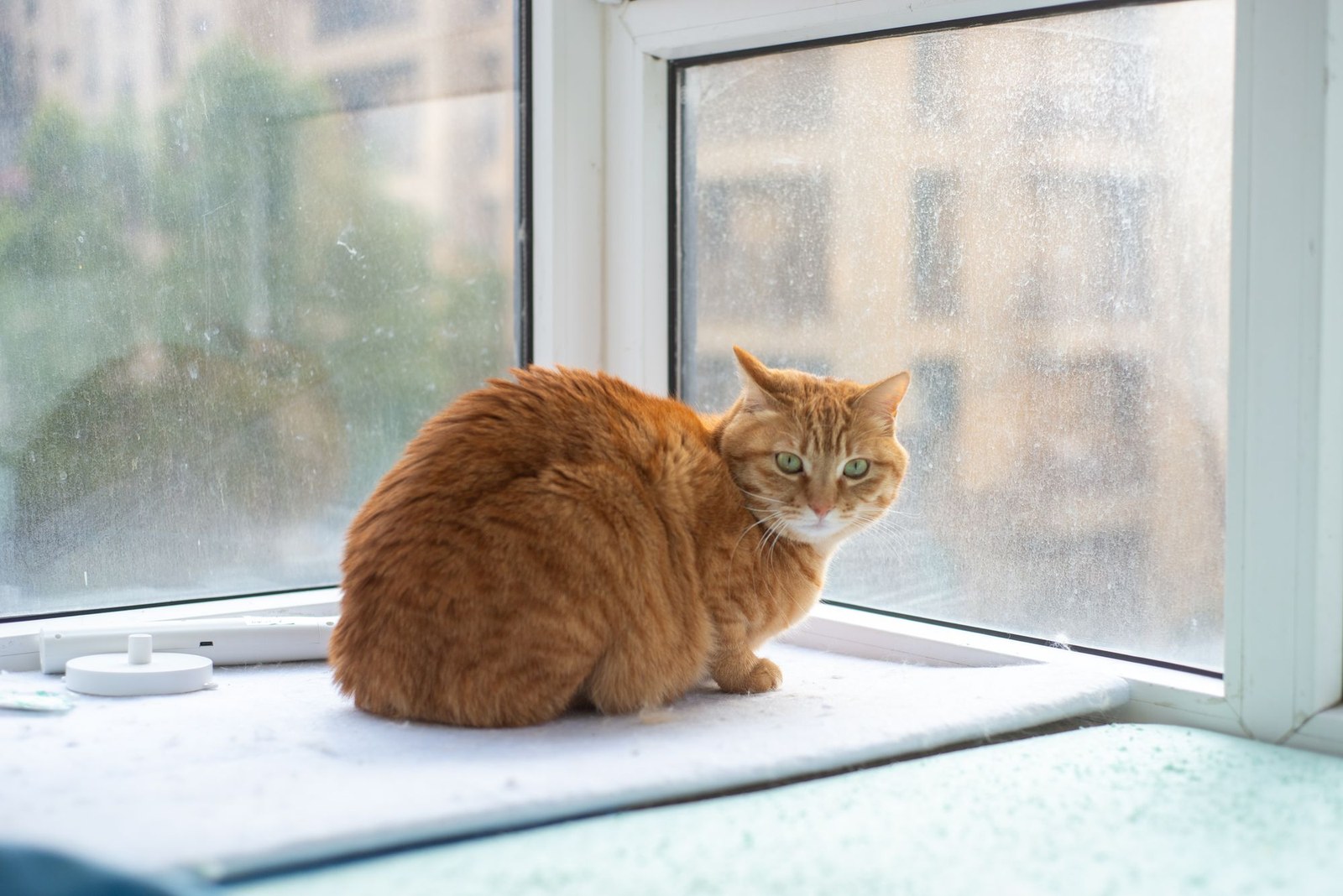
The best pets for apartment living stay small, keep fairly quiet, and are perfectly happy without a backyard. Some of the easiest to fit into a snug space are a cat, a tank of fish, a hamster, a leopard gecko, and a parakeet. A rabbit can shine indoors too, as long as you give it real room to stretch and hop. The trick is matching an animal's size, noise, and energy to your rooms and your neighbors.
How to choose an apartment pet
Before you fall for a cute face, run your options through four quick questions. They will save you and your future pet a lot of stress.
- Footprint: How much floor or counter space will the cage, tank, or litter box take up? Measure the spot before you bring anything home.
- Noise: Apartment walls are thin. Barking, loud squawking, or a nighttime hamster wheel can travel straight to your neighbors.
- Energy: A pet that needs miles of running every day will be unhappy without a yard. Calmer, lower-energy animals adapt far better to small spaces.
- Rules: Read your lease first. Many landlords limit the type, size, or number of pets, and some charge a pet deposit or monthly pet rent.
One more tip for tight quarters: think up, not just out. Wall shelves, a tall cat tree, or a multi-level cage give your pet more room to live without using more floor. Vertical space is an apartment dweller's best friend.
The best pets for small spaces
Here are our favorite apartment-friendly picks, and why each one works so well.
- Cats are the classic apartment pet. They are quiet, use a litter box, groom themselves, and get plenty of exercise from climbing and play. A window perch, a scratching post, and a few toys keep most cats content fully indoors.
- Fish make no noise at all and never need a walk. A properly sized, filtered tank turns into a calming piece of living decoration. Even a single betta in a heated five-gallon tank is a lovely, low-drama companion.
- Hamsters live entirely in their enclosure, which sounds space-saving, but a proper hamster home is big: one unbroken floor of at least 600 square inches (roughly 40 by 16 inches), deep bedding to burrow in, and room for a full-size wheel. Measure that footprint before you commit. They are most active at night, so set the cage away from bedroom walls and pick a quiet, well-built wheel.
- Leopard geckos live happily in a 20-gallon tank, make zero noise, and are calm and easy to handle. That mix makes them one of the best first reptiles for a small home.
- Parakeets are small, cheerful, and very social, which means a pair rather than a single bird. They are flock animals and get lonely on their own, so plan for two from the start. They do chirp through the day, so they suit neighbors who are out at work, but they are far quieter than a big parrot.
- Rabbits can be gentle, litter-trainable companions, but they need daily time outside the cage to hop and stretch. Give them a bunny-proofed room or exercise pen and they do beautifully indoors.
Notice the theme: every one of these pets thrives in a contained space and asks little of your square footage. That is exactly what makes them a smart fit when a yard simply isn't part of the deal.
Renter tips for keeping the peace
Being a good neighbor is part of being a good apartment pet owner. A few simple habits go a long way:
- Confirm your building's pet policy and any deposits in writing before you adopt, so no one is surprised later.
- Place noisy cages and wheels against inside walls or in the middle of a room, not against a shared wall.
- Keep litter boxes and cages clean and odor-free with regular scooping and spot cleaning, so smells never drift into the hall.
- Give active pets daily play and enrichment. A tired, happy pet is a quiet pet.
What to avoid in an apartment
Some animals simply need more room, more yard, or more quiet than apartment life can offer. Think twice before choosing:
- Large, high-energy dogs. A herding or sporting breed with no yard and long hours alone often turns to barking and chewing out of boredom. If you want a dog, pick a smaller, calmer one and commit to daily walks.
- Big parrots. Species like macaws and cockatoos are loud enough to carry through walls and may scream for attention. They are a lot for close neighbors to live beside.
- Backyard birds and farm animals. Chickens, ducks, quail, and pot-bellied pigs need outdoor space and are usually banned by apartment leases anyway.
The most common apartment mistake, though, is skipping the lease. Bringing home a pet your building bans can force a heartbreaking rehome later, so confirm the rules first. Still deciding? Our Pet Finder can help you narrow the field.
Keep exploring with our guides to low-maintenance pets, the quietest pets, and the best pets for busy families, or take our free pet quiz to find your perfect match.
🛒 Recommended supplies
Hand-picked gear for this guide. Affiliate links — we may earn a commission. The $/$$/$$$ badges are a rough budget guide, not live prices.






❓ Common questions
What is the best pet for an apartment?
Cats, fish, hamsters, leopard geckos, and parakeets are all excellent apartment pets because they stay small, quiet, and content without a yard. The best choice depends on how much noise, space, and daily attention you can offer.
What is the quietest pet for an apartment?
Fish are the quietest pet of all, followed by reptiles like leopard geckos and small pets like hamsters. All three make almost no sound, which is ideal when you share walls with neighbors.
Can I have a rabbit in an apartment?
Yes, rabbits can be great apartment pets as long as you give them daily time out of the cage to hop and stretch in a bunny-proofed room or pen. They can also be litter-trained, which helps keep things tidy.
Do I need to tell my landlord before getting a pet?
Almost always, yes. Check your lease first, since many buildings limit pet type, size, or number and may charge a deposit or monthly pet rent. Getting a banned pet can force a painful rehome later.
What apartment pets are good with no yard?
Cats, fish, hamsters, geckos, parakeets, and rabbits all live happily indoors with no yard at all. They get their exercise from play, climbing, or time in their enclosure rather than from outdoor space.