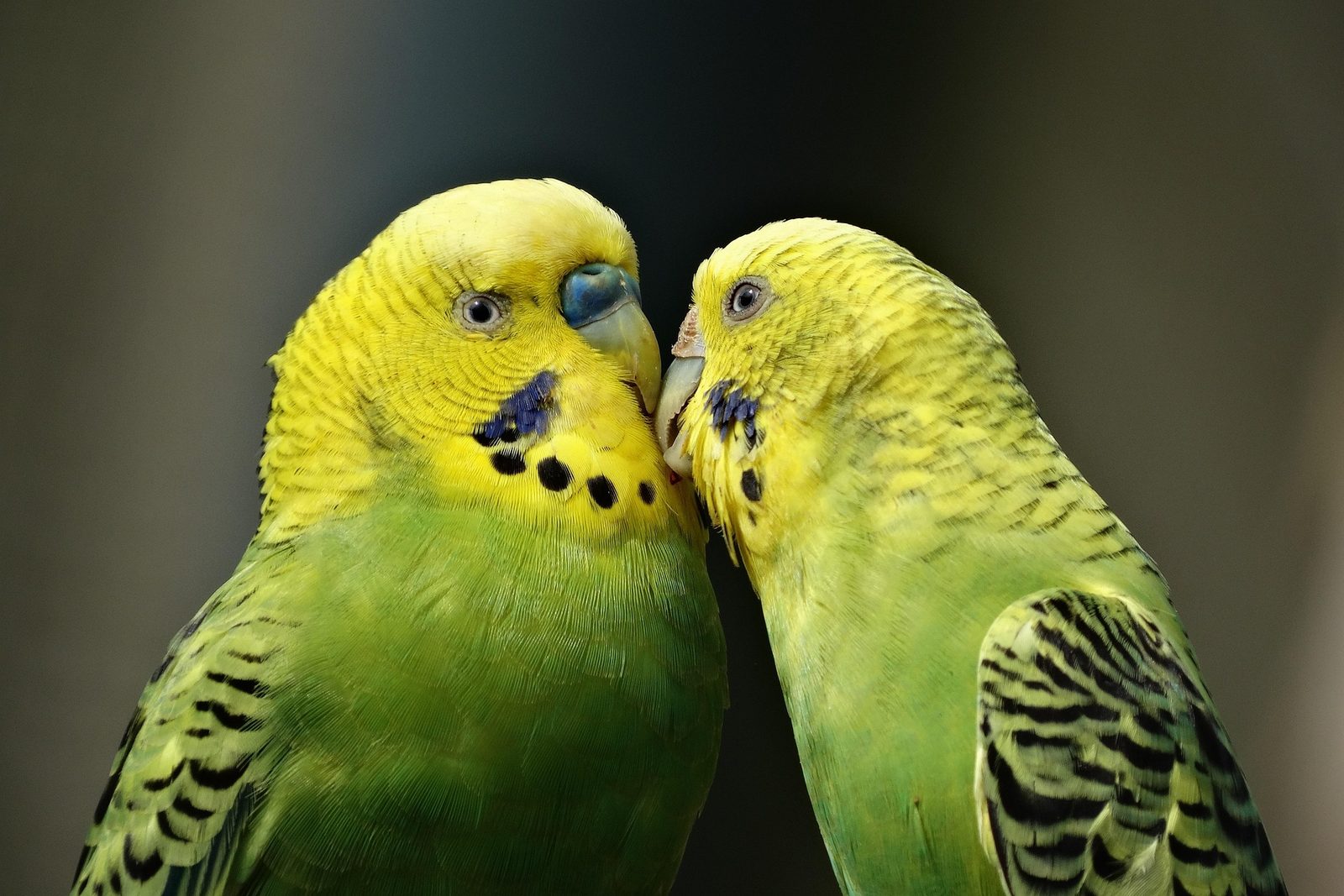
This section covers the smaller, beginner-friendly pet birds — budgies (parakeets), cockatiels, lovebirds, parrotlets, finches, small conures, and Quaker parakeets (banned in a few US states, so check your local rules first). They're cheerful, musical, and social — many learn words and whistles — and they're smaller and cheaper than a dog or cat. They're still sensitive, social creatures that need daily attention and can be messy. (Want a big talker like a macaw or African grey? See the Parrots & Larger Birds section.)
Is a parakeet & small birds a good pet for kids?
Quick answer: Parakeets are good pets for the right kid. This section covers the smaller, beginner-friendly pet birds — budgies (parakeets), cockatiels, lovebirds, parrotlets, finches, small conures, and Quaker parakeets (banned in a few US states, so check your local rules first).
- 👍 Best for: cheerful, musical, and can learn to talk, very social and interactive
- 👀 Keep in mind: messy — scatter seeds and feathers
- ⏳ Lifespan: 5–30 years (budgies 5–10, bigger species longer)
- 💲 Ongoing cost: about $15–$35/mo (setup & vet extra)
📋 Parakeet & Small Birds at a glance
Should I get a parakeet?
💚 Why you'll love a parakeet
- Cheerful, musical, and can learn to talk
- Smaller and cheaper than a cat or dog
- Very social and interactive
- Live a good long time
⚠️ Things to know
- Messy — scatter seeds and feathers
- Need daily company or they get lonely
- Sensitive to fumes and drafts
- Feather dust can bother allergies
The honest answer: Yes, but buy for the bird you'll still have in twenty years — a cockatiel bought at eight can outlast school, college, and your kid's first apartment.
👍 Get one if…
- You're happy to keep a pair, not one
- You're home most evenings for out-of-cage time
- Your kid enjoys teaching whistles and words
- You've already found an avian vet
👎 Think again if…
- You'd keep one bird in a house empty all day
- You don't want to inherit the bird after graduation
- Your kitchen uses non-stick pans every day
- Your asthma flares around feather dust
✅ Am I ready for a parakeet?
Wanting one and being ready for one are different questions. These are the ones worth answering honestly before you decide — there are no wrong answers, and a "not yet" is a perfectly good result.
Parakeets need time OUT of the cage every day to fly and hang out with you. Can you make that safe and regular?
- Daily out-of-cage time, doors and windows closed — yes
- Most days
- Maybe a few days a week
If that one gave you pause: Plan a daily "flight time": close windows, turn off fans, and let your bird stretch its wings safely.
Birds chirp and chatter a LOT, starting at sunrise. Is your family okay with a cheerful noisy roommate?
- We love it — it's a happy sound
- Mostly okay, mornings might be rough
- We need quiet at home
If that one gave you pause: Play parakeet sounds at home for a day and see how everyone feels — birds sing every single morning.
How to care for your Parakeet & Small Birds
Parakeet & Small Birds care in depth
Small birds are flock animals — company is a need, not a nicety
Budgies, cockatiels, lovebirds, and finches are highly social flock animals. A lone bird with little interaction becomes lonely and stressed and can develop problems like feather-plucking. Either commit to being your bird's "flock" with daily out-of-cage time and interaction, or keep a compatible pair. Hand-raised, gently socialized budgies and cockatiels can become tame, whistling, word-learning companions with patience.
The invisible danger: fumes
Birds have extremely sensitive airways, and everyday household fumes can kill a bird quickly. The most notorious is the fumes from overheated non-stick (PTFE/Teflon) cookware, but scented candles, air fresheners, aerosols, smoke, and strong cleaners are all dangerous too. Keep birds well away from the kitchen, never use non-stick pans in a home with birds, and choose fragrance-free cleaning and good ventilation.
Cage, diet, and an avian vet
Get the widest cage you can — small birds fly horizontally, so width matters more than height — with species-appropriate bar spacing, varied perches, and toys to prevent boredom. Diet is a common mistake: an all-seed diet is unhealthy, and most birds need a base of quality pellets plus fresh vegetables, with seed as a treat. Find an avian vet before you need one, since birds hide illness and many general-practice vets don't treat them.
Parakeets are cheerful little birds that love to chirp, play, and even learn words. They live 7–10 years and are happiest with a feathered friend or lots of your time.
✅ Before you bring a parakeet home
🗓️ Your routine — easy chores to remember
- Fresh water and food
- Open the cage for flying and play
- Talk and whistle to bond with them
- Clean the cage tray and perches
- Wash dishes and refresh toys
- Offer a shallow bath or misting
- Deep-clean the whole cage
- Check beak and nails
- Avian-vet visit yearly or if unwell
💰 Monthly cost: Low–medium: a budgie is cheap; a big cage and toys cost more.
🤩 Fun facts about your Parakeet & Small Birds
Budgies can learn to whistle tunes and say hundreds of words.
❓ Common questions about parakeets
How much does a parakeet cost per month?
Plan on roughly $15–$35 per month for food and supplies. Low–medium: a budgie is cheap; a big cage and toys cost more.
Are parakeets good pets for kids?
They can be — parakeets rate 3/5 for kid-friendliness, so they suit gentle, slightly older kids. Daily talk and gentle out-of-cage time to tame them. Go slow and let them step up.
How long do parakeets live?
Parakeets typically live 5–30 years (budgies 5–10, bigger species longer). Make sure your family is ready for that commitment before bringing one home.
Are parakeets allergy-friendly?
Birds aren't furry, but their feather dust and dander can still trigger allergies — so not fully allergy-safe.
Should I get a parakeet?
Yes, but buy for the bird you'll still have in twenty years — a cockatiel bought at eight can outlast school, college, and your kid's first apartment. Get one if: You're happy to keep a pair, not one; You're home most evenings for out-of-cage time; Your kid enjoys teaching whistles and words; You've already found an avian vet. Think again if: You'd keep one bird in a house empty all day; You don't want to inherit the bird after graduation; Your kitchen uses non-stick pans every day; Your asthma flares around feather dust.
Are parakeets (budgies) good pets for beginners?
Yes — budgies and cockatiels are among the best beginner birds: cheerful, social, and small. They still need daily interaction or a companion bird, a spacious cage, a varied diet beyond seed, and protection from household fumes, so they are more involved than many people expect.
Do parakeets need to be kept in pairs?
They need company one way or another, and welfare charities say a pair is the safest answer. A person can act as the flock instead, but it takes real hours every day — the RSPCA suggests birds get at least six hours out of the cage — so if you're unsure, get two. Lonely, ignored birds often become stressed and pluck their feathers.
What can kill a pet bird in the house?
Fumes are the biggest hidden danger. Overheated non-stick (Teflon/PTFE) cookware can kill a bird fast, and scented candles, air fresheners, aerosols, smoke, and strong cleaners are also hazardous. Keep birds away from the kitchen and avoid non-stick pans.
What do parakeets eat?
Not just seed. An all-seed diet causes health problems; most small birds do best on a base of quality pellets plus fresh vegetables, with seed as an occasional treat and constant fresh water.
🎬 Parakeet & Small Birds care video
A beginner care guide from YouTube. (Community video — always double-check with a vet.)
📚 Where this comes from
We check our care advice against vets, animal charities, and government health guidance. Here is what this page is built on.
Vets, charities & official guidance
- Table: popular pet birds — Merck Veterinary Manual
- Nutrition in psittacines — Merck Veterinary Manual
- Pet birds and human health — CDC
- How should I care for my birds? — RSPCA Australia
- Living with other birds — RSPCA
Checked August 2026. These are other people’s websites, and none of it replaces your own vet — if a pet seems unwell, call one.