🐔 Backyard Chickens 101: Coops, Care, and Fresh Eggs
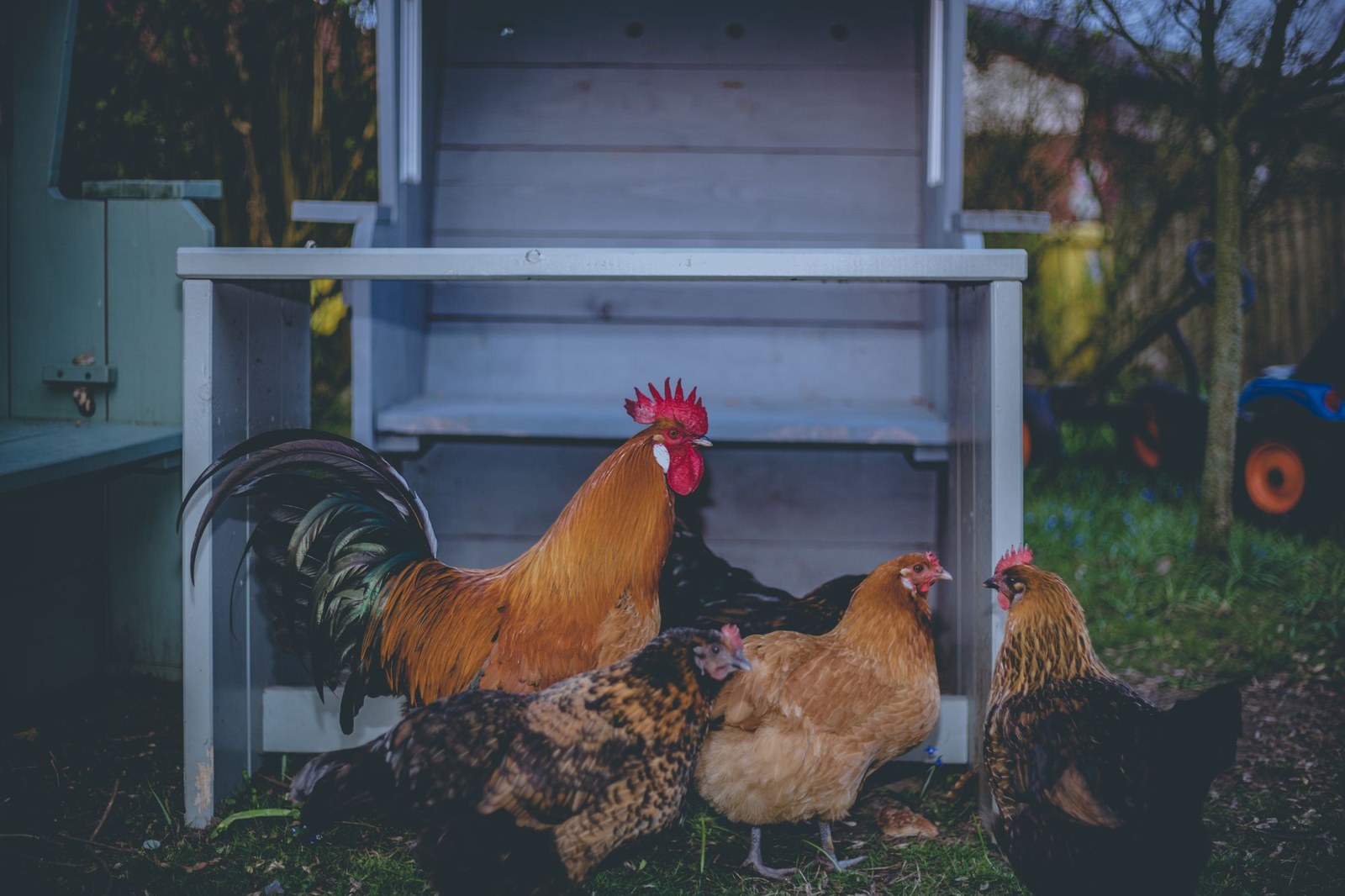
Keeping backyard chickens is one of the most rewarding projects a family can take on — you get fresh eggs, natural pest control, and a flock of funny, friendly birds with real personalities. Before you build or buy anything, though, there's one essential first step: check your local chicken zoning laws and any HOA rules. Many areas limit flock size or ban roosters, and it's far better to know the rules up front than after the coop is built.
Check the rules first
Rules vary widely from town to town and even neighborhood to neighborhood. Look into your local zoning laws and your HOA if you have one, paying attention to any limits on how many birds you can keep and whether roosters are banned (they often are, thanks to the early-morning crowing). The good news for egg lovers: you don't need a rooster at all — hens lay eggs perfectly well on their own.
The coop and run
Every flock needs a predator-proof coop for sleeping and laying, plus a run for daytime scratching and roaming. Inside the coop, allow about 4 square feet per hen, and in the run aim for roughly 8 to 10 square feet per hen — crowded birds get stressed and squabble. Add nest boxes for laying at a rate of about one box per three or four hens, and include a roosting bar, since chickens like to sleep up on a perch (unlike ducks, who rest on the ground). Make sure the coop has good ventilation to keep the air fresh and dry without a cold draft, and set it somewhere with a little shade and shelter from harsh wind.
Predator-proofing
Losing birds to predators is the number-one heartbreak for new chicken keepers, so this is worth doing thoroughly. Cover the coop and run with hardware cloth, not chicken wire — chicken wire keeps chickens in but does little to keep raccoons, foxes, and hawks out. Lock the coop every evening at dusk, when many predators come hunting. And because some animals dig, bury the fencing or add an apron of hardware cloth flat along the ground around the run to stop them from tunneling underneath.
Feeding and daily care
Feed your hens a quality layer feed and always keep fresh water available. Layer feed is formulated with the calcium hens need for strong eggshells, so it should make up the bulk of their diet; treats and garden greens are fine in small amounts but shouldn't crowd it out. Kitchen scraps are a different matter — feeding them to poultry is illegal in the UK and restricted in some other countries, so check your local rules before saving leftovers for the hens. Provide grit to help them grind up their food, and set aside a dust-bathing area where they can roll in dry dirt to keep mites and parasites at bay. Your daily rhythm is simple and pleasant: collect eggs each day, refresh their water, keep the coop tidy and dry, and watch the flock for signs of mites or illness so you can act early. A few quiet minutes with your birds each day is the best way to notice when something's off. Make hand-washing part of that routine from the first day: chickens can carry salmonella even when they look perfectly healthy, so everyone washes with soap and water after handling the birds, the coop, or the eggs, and the flock stays outside the house. Children under 5 do best watching and helping rather than holding the birds.
Choosing your flock
Chickens are social, so plan to keep at least three hens together — a lone chicken is an unhappy one, and a small group stays warmer and more settled. Wonderful beginner-friendly breeds include the gentle, fluffy Silkie, the reliable and hardy Rhode Island Red, and the Easter Egger, which lays eggs in lovely shades of blue and green. Mixing a few friendly breeds makes for a colorful, good-natured flock that's easy to fall in love with.
Quick setup checklist
- Check local zoning and HOA rules, flock-size limits, and rooster bans first
- A predator-proof coop (~4 sq ft per hen) and a run (~8-10 sq ft per hen)
- Nest boxes at about one per 3-4 hens, plus a roosting bar and good ventilation
- Hardware cloth (not chicken wire), locked at dusk, with buried or aproned fencing
- Quality layer feed, fresh water, grit, and a dust-bathing area
- Daily egg collection and a watchful eye for mites or illness
- At least three hens — gentle beginner breeds like Silkie, Rhode Island Red, or Easter Egger
Thinking about a flock the whole family can enjoy? See our guide to the best pets for kids, or take our free pet quiz to find your perfect match.
Browse coops and feed on our Shop page.
🛒 Recommended supplies
Hand-picked gear for this guide. Affiliate links — we may earn a commission. The $/$$/$$$ badges are a rough budget guide, not live prices.
🧽 Cleaning & maintenance
Daily: refresh food and water (ducks foul their water especially fast) and scrape up the worst of the droppings. Weekly, replace soiled bedding or top up the deep litter and clean the feeders and waterers. A couple of times a year, muck out completely and scrub the coop or hutch with a poultry-safe disinfectant, then let it dry before adding fresh bedding. Good ventilation and dry bedding prevent ammonia build-up and disease — and always wash your hands after handling your birds or cleaning the coop.
Cleaning supplies for this habitat. Affiliate links — we may earn a commission. The $/$$/$$$ badges are a rough budget guide, not live prices.
⚠️ Common chicken setup mistakes
Already have one and something feels off? Start here. These catch almost everybody — none of them mean you have done badly, and every one of them is fixable.
Is my chicken coop too small for my hens?
The mistake: Believing the hen count on a prefab coop.
Plenty of small prefab coops are advertised for six or eight hens but have the floor space for two or three. Crowded birds pull each other's feathers, gang up on whoever is bottom of the pecking order, and the litter turns filthy far faster.
Try this: Take a tape measure to the coop floor: length times width in feet, divided by four, is the number of hens it really holds — nest boxes don't count. A bigger run doesn't fix a crowded night-time coop, so if you're over, look at a second-hand shed with a roost bar and vents cut into it. It's usually cheaper than a smart-looking store-bought coop.
Why does my chicken coop smell of ammonia?
The mistake: Adding fresh bedding on top of damp bedding.
Droppings and spilled water sour the bottom layer, and the ammonia rising off it burns hens' eyes and airways and opens the door to respiratory illness. It pools low down, so standing in the doorway you often can't smell a thing.
Try this: Once a week, crouch down to hen height and take a good sniff — if your nose stings, strip the litter out to the floor instead of topping it up. Keep drinkers outside the coop or raised to the height of a hen's back, and add more vents up high so damp air leaves without blowing across the roost.
Do chickens need a heat lamp in the coop in winter?
The mistake: Hanging a heat lamp in the coop.
Heat lamps are one of the most common causes of coop and shed fires — a startled hen flies up, the lamp swings into dry bedding, and the whole coop is gone in minutes. Healthy grown hens in full feather don't need one anyway; they cope well with cold as long as they're dry and out of the wind.
Try this: Take it down. Dry bedding, plenty of high ventilation, and a wide flat roost bar so hens can sit down over their feet do far more good than heat. If you're brooding chicks, use a radiant brooder plate instead — safer, and it uses much less power.
Can chicks eat layer feed?
The mistake: Feeding layer pellets to chicks and pullets.
Layer feed carries roughly three times the calcium a growing bird needs, and the excess can damage young kidneys. Nothing looks wrong at the time; the harm builds quietly over weeks.
Try this: Chick starter for the first weeks, then grower until they start laying at around 18 to 20 weeks, and only then layer feed. If your flock is a mix of ages, feed everyone grower or all-flock and set out a separate dish of oyster shell — the laying hens help themselves to the calcium they need.
How do I add new chickens to my existing flock?
The mistake: Adding new hens straight into the flock.
Birds from a swap meet or a friend's yard can carry disease while looking perfectly healthy, sometimes for life. The pecking order also has to be rebuilt from scratch, and a newcomer dropped in alone can be badly bullied or kept away from food and water.
Try this: Keep new birds separate for at least two weeks and watch for sneezing, runny eyes or a scruffy look. Then house them where the two groups can see but not touch for a week, add them onto the roost after dark, and put out a second feeder and drinker so no one bird can guard both.
❓ Common questions
How much does a chicken cost to keep?
Setting up a chicken habitat means buying the basics like predator-proof coop, layer feed + feeder, heated waterer. Day to day, a chicken runs about $20–$45 a month for food, bedding, and supplies — the one-time habitat setup and any vet care are extra.
Is a chicken a good pet for an apartment?
Chickens do best with a house and some outdoor space. You can keep one in an apartment, but it takes extra room and daily activity.
How much time does a chicken need each day?
Some each day — feeding, fresh water, tidying the habitat, and a little gentle handling or attention. It's a real daily routine, but not a huge one.
📚 Where this comes from
We check our care advice against vets, animal charities, and government health guidance. Here is what this page is built on.
Vets, charities & official guidance
- Backyard poultry and human health — CDC
- Small scale poultry housing — Penn State Extension
- Space allowances for backyard poultry flocks — Cooperative Extension
- Predator management for backyard flocks — Cooperative Extension
- Management guide for the backyard flock — UGA Extension
Checked August 2026. These are other people’s websites, and none of it replaces your own vet — if a pet seems unwell, call one.