
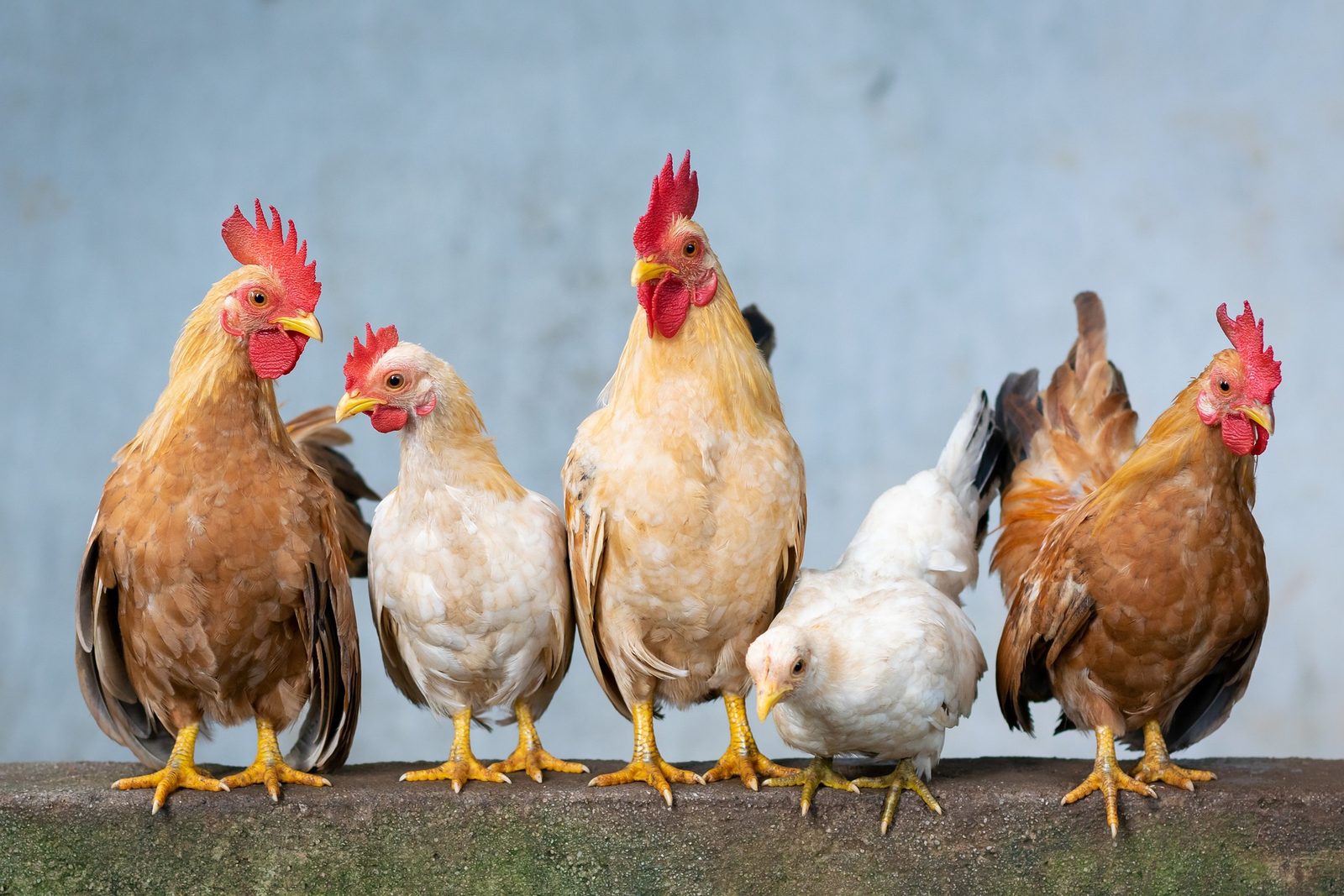
Backyard chickens are friendly, funny, and surprisingly full of personality — plus they give you fresh eggs. They need a secure coop, outdoor space, and protection from predators, but they're hardy and a wonderful, hands-on family project (where local rules allow them). One thing to plan around: health experts say children under 5 shouldn't handle chicks or grown birds, so little ones can watch and help from a step back.
Is a chicken a good pet for kids?
Quick answer: Chickens are some of the best pets for kids. Backyard chickens are friendly, funny, and surprisingly full of personality — plus they give you fresh eggs.
- 👍 Best for: friendly, funny, and give fresh eggs, eat garden greens and bugs (kitchen scraps are banned in the UK)
- 👀 Keep in mind: need a predator-proof coop and a yard
- ⏳ Lifespan: 5–10 years
- 💲 Ongoing cost: about $20–$45/mo (setup & vet extra)
📋 Chicken at a glance
Should I get a chicken?
💚 Why you'll love a chicken
- Friendly, funny, and give fresh eggs
- Great hands-on family project
- Eat garden greens and bugs (kitchen scraps are banned in the UK)
- Each hen has her own personality
⚠️ Things to know
- Need a predator-proof coop and a yard
- Often limited or banned by city rules
- A daily chore, rain or shine
- Best kept in a small flock, not alone
The honest answer: Yes for a family with a yard, city permission, and no toddler in the flock — but hens live years past their best laying, so you're signing up for the whole bird.
👍 Get one if…
- You have a yard and rain-or-shine habits
- Your kids are old enough to wash hands every time
- You have room for a flock of three
- You want a project as much as eggs
👎 Think again if…
- You have a toddler who'd hug the hens
- You'd rehome the hens once laying slows
- You rent or have an HOA, with no poultry permission in writing
- You'd skip buried hardware cloth and raccoon-proof latches
✅ Am I ready for a chicken?
Wanting one and being ready for one are different questions. These are the ones worth answering honestly before you decide — there are no wrong answers, and a "not yet" is a perfectly good result.
Chickens must be let out every morning and locked up safe EVERY night — miss one night and predators can find them. Can your family never miss?
- Morning open, sunset lock-up — family routine
- Most nights
- We travel and forget things
If that one gave you pause: The coop-door routine is non-negotiable (or get an automatic door!). Make the family schedule before chicks arrive.
Raccoons, hawks, foxes, even neighborhood dogs — everything loves chicken. Can your family build a REALLY secure coop and run?
- Hardware cloth, buried edges — we can build it
- We have a basic coop plan
- We'd wing it
If that one gave you pause: Research predator-proofing with a grown-up: hardware cloth (not chicken wire!), buried skirts, locking latches raccoons can't open.
How to care for your Chicken
Chicken care in depth
Check your local rules before you build a coop
The first step in backyard chickens isn't buying chicks — it's checking your local ordinances. Many cities allow a small flock of hens but ban roosters for noise, cap the number of birds, or require the coop to sit a set distance from property lines; some HOAs prohibit poultry entirely. A quick call to your city or county saves heartbreak later. The good news: you don't need a rooster for eggs — hens lay without one.
A predator-proof coop and run
Almost everything wants to eat a chicken — raccoons, foxes, hawks, dogs, even rats — so predator-proofing is the whole game. Use a solid coop at night with secure latches (raccoons open simple ones), and cover the run with hardware cloth, not flimsy chicken wire, buried a little at the edges to stop diggers. Provide a nest box for every 3–4 hens, roosting bars, good ventilation, and room to scratch and dust-bathe. Keep it dry and clean to prevent mites and disease.
Flock size, feeding, and eggs
Chickens are flock animals — keep at least three, never one, or they get stressed and lonely. Feed a complete layer feed as the staple, plus fresh water, grit to help them digest, and treats like greens and bugs in moderation. A healthy hen lays most days in her prime and tapers with age (hens can live 5–10 years but lay well for only the first few), so keep chickens for the whole experience, not just eggs. Daily care is a rain-or-shine chore.
Backyard chickens are friendly, funny, and give you fresh eggs — but they're a flock animal, so you'll keep at least three together. They live 5–10 years and need daily care.
✅ Before you bring a chicken home
🗓️ Your routine — easy chores to remember
- Fresh food and water
- Let them out and safely back in
- Collect eggs
- Quick head-count and health check
- Clean the coop and refresh bedding
- Scrub the waterer
- Check for pests or mites
- Deep-clean the coop
- Check feet and feathers
- Restock feed and bedding
💰 Monthly cost: Medium: the coop is the big cost; feed is cheap, and eggs help pay you back.
🤩 Fun facts about your Chicken
Chickens have up to 25 different calls and even dream when they sleep.
❓ Common questions about chickens
How much does a chicken cost per month?
Plan on roughly $20–$45 per month for food and supplies. Medium: the coop is the big cost; feed is cheap, and eggs help pay you back.
Are chickens good pets for kids?
Yes! Chickens rate 5/5 for kid-friendliness. Calm, gentle daily visits tame them; many hens love to be picked up and will follow you around — just keep them out of the house and away from faces.
How long do chickens live?
Chickens typically live 5–10 years. Make sure your family is ready for that commitment before bringing one home.
Are chickens allergy-friendly?
Chickens have feathers and dander, and their coop creates dust — not ideal for allergy-sensitive people.
Should I get a chicken?
Yes for a family with a yard, city permission, and no toddler in the flock — but hens live years past their best laying, so you're signing up for the whole bird. Get one if: You have a yard and rain-or-shine habits; Your kids are old enough to wash hands every time; You have room for a flock of three; You want a project as much as eggs. Think again if: You have a toddler who'd hug the hens; You'd rehome the hens once laying slows; You rent or have an HOA, with no poultry permission in writing; You'd skip buried hardware cloth and raccoon-proof latches.
Are backyard chickens good pets?
Yes — chickens are hardy, friendly, funny, and give you fresh eggs, which makes them a rewarding hands-on family project. They need a predator-proof coop, outdoor space, a small flock (never just one), and daily care, and they're often restricted by city rules.
Do you need a rooster for eggs?
No. Hens lay eggs without a rooster; you only need a rooster if you want fertile eggs to hatch chicks. Many cities ban roosters for noise but allow a small flock of hens.
Are chickens allowed in the city?
It depends on your local ordinances. Many cities allow a limited number of hens but ban roosters or set coop-distance rules, and some HOAs prohibit poultry entirely. Always check your city, county, and HOA rules before getting chickens.
How many chickens should I get?
At least three. Chickens are social flock animals that become stressed and lonely kept alone, so a small flock is far healthier and happier — and gives you a steadier supply of eggs.
🎬 Chicken care video
A beginner care guide from YouTube. (Community video — always double-check with a vet.)
📚 Where this comes from
We check our care advice against vets, animal charities, and government health guidance. Here is what this page is built on.
Vets, charities & official guidance
- Backyard poultry and human health — CDC
- Keeping chickens as pets: caring for backyard hens — RSPCA
- How should I care for my backyard chickens? — RSPCA Australia
- Management guide for the backyard flock — UGA Extension
- Warning not to feed kitchen scraps to farm animals — APHA
Checked August 2026. These are other people’s websites, and none of it replaces your own vet — if a pet seems unwell, call one.