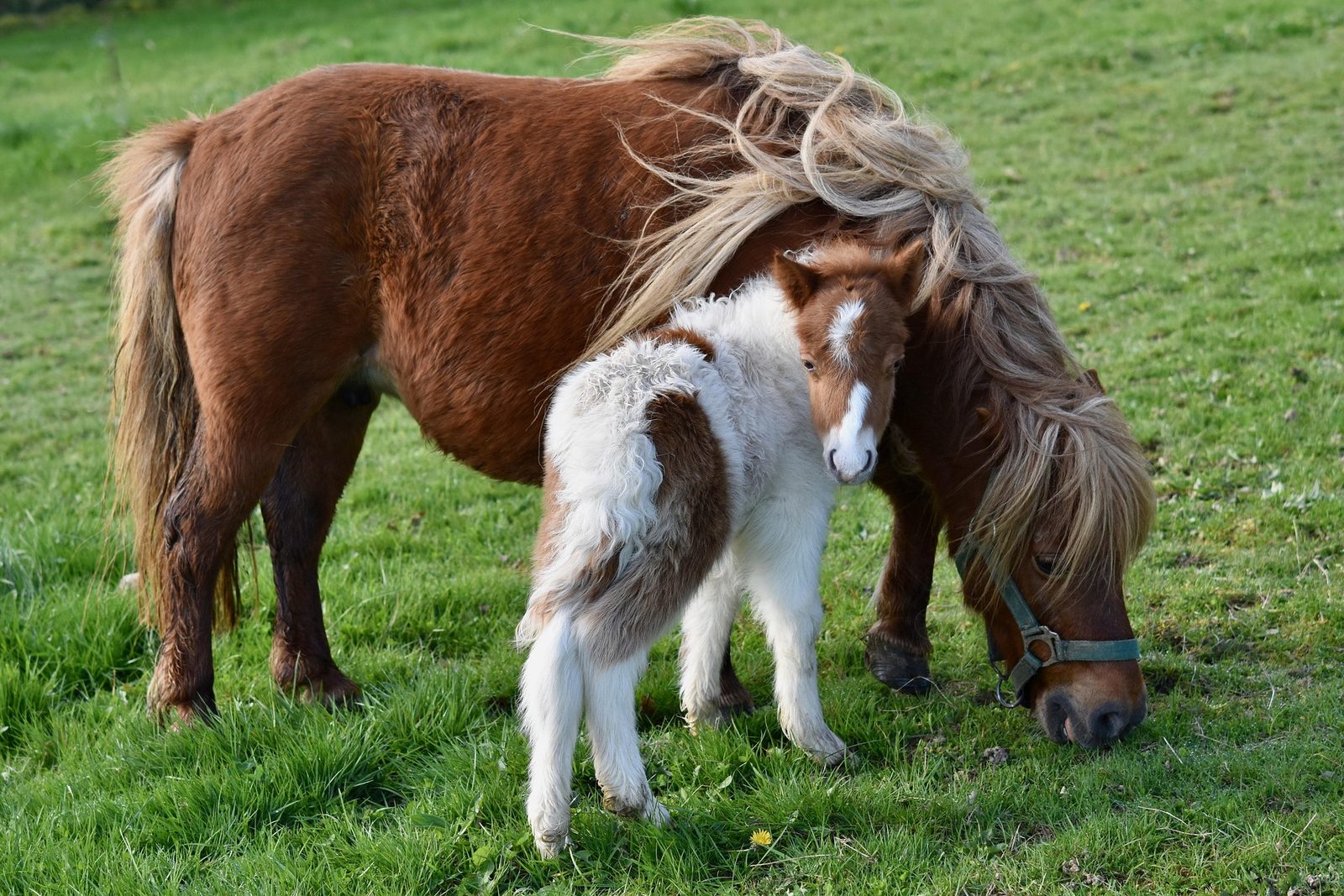
A pony is many kids' dream pet — gentle, loyal, and rideable. But it's also one of the biggest commitments here: ponies need land, a stable, daily care, expensive vet and farrier visits, and decades of life. For families with acreage, time, and budget, they're a deeply rewarding companion.
Is a pony a good pet for kids?
Quick answer: Ponies are great pets for most kids. A pony is many kids' dream pet — gentle, loyal, and rideable.
- 👍 Best for: loyal, gentle, and bond with their people, long-lived companions
- 👀 Keep in mind: need pasture, a stable, and lots of money
- ⏳ Lifespan: 25–35 years
- 💲 Ongoing cost: about $150–$400/mo (setup & vet extra)
📋 Pony at a glance
Should I get a pony?
💚 Why you'll love a pony
- Loyal, gentle, and bond with their people
- Rideable and great for learning responsibility — always in a properly fitted helmet
- Long-lived companions
- Hardy and strong
⚠️ Things to know
- Need pasture, a stable, and lots of money
- Daily care every single day for decades
- Need a farrier, vet, and equine company
- Can be stubborn — need experienced handling
The honest answer: Probably not yet: for most horse-crazy kids, riding lessons or a part-lease deliver the real thing, and ownership only makes sense with land, decades, and a deep emergency fund.
👍 Get one if…
- You have pasture, a farrier budget, and daily time
- Your kid is already riding weekly at a barn
- You'll fund a second equine for company
- You make a fitted helmet non-negotiable
👎 Think again if…
- You can't cover a four-figure colic bill
- Your child's pony phase started last month
- You're a first-time buyer drawn to a young, green pony
- You lack land, boarding money, or thirty spare years
✅ Am I ready for a pony?
Wanting one and being ready for one are different questions. These are the ones worth answering honestly before you decide — there are no wrong answers, and a "not yet" is a perfectly good result.
A pony is a 365-days-a-year job: feeding twice daily, water checks, mucking stalls, exercise — before AND after school, all weather. Honestly ready?
- Yes — our family has done the full schedule math
- Weekends would be easier than school days
- That's more than I imagined
If that one gave you pause: Try the test run: volunteer at a stable for a month of early mornings. If you still love it, you're pony people!
Ponies are the most expensive pet on our list: hay, farrier visits every 6–8 weeks, vet, tack, maybe boarding — often $200–$600+ per MONTH. Has your family budgeted?
- Full budget done — including surprise vet bills
- We've talked roughly
- No real numbers yet
If that one gave you pause: Build the real budget with a grown-up: hay, feed, farrier, dentist (yes, horse dentist!), vet, insurance, gear. It's a lot.
How to care for your Pony
Pony care in depth
What owning a pony really costs
The purchase price of a pony is the cheapest part. The real budget is the monthly cost of keeping one: pasture upkeep or boarding, hay and feed, a farrier every 6–8 weeks, annual vaccinations and dental care, deworming, and an emergency vet fund. Plan on roughly $150–$400 a month at a minimum, and considerably more if you board at a stable. Across a 25–35 year life, a pony is one of the largest commitments a family can take on.
Budget for surprises too: colic treatment, a lameness work-up, or storm-damaged fencing can each run into the thousands. Many experienced owners keep equine insurance or a dedicated savings fund for exactly this reason.
A realistic day (and year) with a pony
Ponies need care every single day, rain or shine — there are no days off. A typical day means feeding, refilling water (a pony drinks 5–10 gallons daily), picking out hooves, mucking the stall or paddock, and turnout for exercise. Ponies are herd animals that become stressed and destructive when kept alone, so they need at least one equine companion.
Across the year you will manage seasonal shedding, summer fly control, extra hay and blanketing in winter, and steady training so a clever pony does not pick up bad habits. This is a hobby that shapes the whole family's schedule.
Is a pony right for your family — or is a lease or lessons a better fit?
A pony makes sense only if you have (or can rent) suitable land, time for daily care, and a lasting budget. If you are not there yet, that is completely normal — most horse-loving kids start with riding lessons or a part-lease at a local barn, which delivers the joy of ponies without a 30-year commitment, and is the best way to learn whether the interest lasts.
If you do commit, choose an older, well-trained pony rather than a young or green one; a calm, experienced pony is far safer and more forgiving for a child who is still learning.
Ponies are sturdy, friendly, and a dream for many kids — but they're a big-time, big-cost commitment. They live 25–30+ years and need daily care, space, and money.
✅ Before you bring a pony home
🗓️ Your routine — easy chores to remember
- Fresh water and feed or hay
- Check fences, water, and that they're healthy
- Exercise, grooming, or riding time
- Clean stalls and pick up droppings
- Deep-clean the stable
- Thorough grooming and hoof-picking
- Check tack and fencing
- Farrier visit for hooves (about every 6–8 weeks)
- Deworming as advised
- Vet visits, dental, and vaccines on schedule
💰 Monthly cost: Highest here: land, shelter, feed, farrier, and vet care add up every month for decades.
🤩 Fun facts about your Pony
Ponies can recognize their human friends years later.
❓ Common questions about ponies
How much does a pony cost per month?
Plan on roughly $150–$400 per month for food and supplies. Highest here: land, shelter, feed, farrier, and vet care add up every month for decades.
Are ponies good pets for kids?
Yes! Ponies rate 4/5 for kid-friendliness. Patient, consistent training and daily handling; ponies are smart and test boundaries.
How long do ponies live?
Ponies typically live 25–35 years. Make sure your family is ready for that commitment before bringing one home.
Are ponies allergy-friendly?
Ponies have hair and dander, plus hay and barn dust — a common trigger for horse allergies.
Should I get a pony?
Probably not yet: for most horse-crazy kids, riding lessons or a part-lease deliver the real thing, and ownership only makes sense with land, decades, and a deep emergency fund. Get one if: You have pasture, a farrier budget, and daily time; Your kid is already riding weekly at a barn; You'll fund a second equine for company; You make a fitted helmet non-negotiable. Think again if: You can't cover a four-figure colic bill; Your child's pony phase started last month; You're a first-time buyer drawn to a young, green pony; You lack land, boarding money, or thirty spare years.
What is the best pony breed for a child?
Sensible, good-natured breeds like the Welsh Pony, Shetland, and Pony of the Americas are popular first ponies. Temperament and training matter more than breed, though — an older, calm, well-schooled pony is the safest choice for a young rider, whatever its breed.
How much land does a pony need?
A common guideline is about one acre of pasture per pony, plus a stable or run-in shelter and secure fencing. You can manage with less land by feeding more hay and using stall time, but ponies still need daily turnout and room to move.
Can a pony live alone?
Not happily. Ponies are herd animals and become anxious, stressed, and destructive without company. Plan to keep at least two equines, or house your pony where other horses are nearby.
Are ponies good for beginners?
They suit families with some horse experience or good coaching. Ponies are smart and will test an inexperienced handler, so first-time owners should work with a trainer and pick a calm, older, well-trained pony.
🎬 Pony care videos
Watch beginner-friendly care videos for your pony.
▶ Watch Pony care videos on YouTube📚 Where this comes from
We check our care advice against vets, animal charities, and government health guidance. Here is what this page is built on.
Vets, charities & official guidance
- Caring for your horse or pony — RSPCA
- Guide to first-time horse ownership — University of Maine Extension
- First-time horse ownership and budgeting — Oklahoma State Extension
- Routine health care of horses — Merck Veterinary Manual
- Nutrition of horses — Merck Veterinary Manual
Checked August 2026. These are other people’s websites, and none of it replaces your own vet — if a pet seems unwell, call one.