🤧 Hypoallergenic Pets for Allergy Sufferers
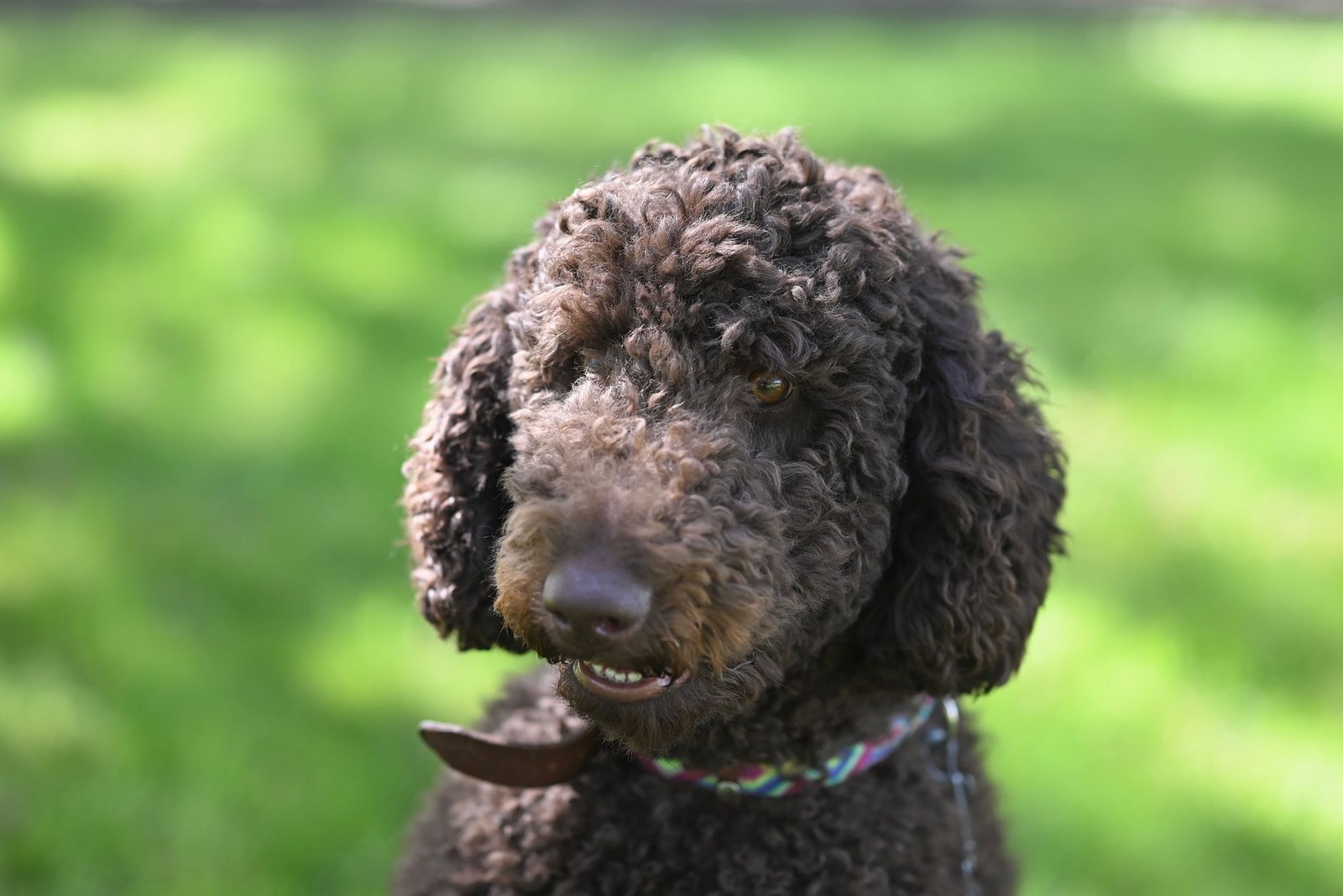
Here's the honest starting point: no pet is truly 100% hypoallergenic. Allergies are usually triggered by proteins in an animal's dander, saliva, or urine, not just its fur. The good news is that some pets produce or spread far fewer of those allergens. If you or your kids react to animals, the safest choices are fur-free options like fish, a leopard gecko or other reptile, and amphibians such as a frog or axolotl. If your heart is set on a dog or cat, certain breeds tend to be easier on allergies, though none are risk-free.
Understanding pet allergies
Most people who think they are "allergic to fur" are actually reacting to tiny proteins the animal sheds. In cats, a common trigger is a protein found in saliva and skin that spreads as they groom. In dogs, dander and saliva do the same. Because these proteins travel on shed skin and hair, low-shedding animals spread fewer of them around your home, which is why they are often called hypoallergenic. A more accurate word would be lower-allergen.
The single most important step is this: always spend time with the specific animal before you commit. Two dogs of the same breed can affect you very differently, so an in-person meet-and-greet is the only real test.
Fur-free and lower-allergen pets
If avoiding dander matters most, start with pets that have no fur at all.
- Fish are the gold standard for allergy sufferers. They live behind glass, produce no dander, and make wonderful, calming pets for a bedroom or living room.
- Reptiles like a leopard gecko, bearded dragon, or snake have no fur or dander, and allergy to the reptile itself is genuinely rare. One thing to plan for: insect-eating reptiles mean a tub of live crickets or roaches in the house, and insect dust sets off asthma in some people, so keep the feeder tub out of bedrooms.
- Amphibians such as a frog or axolotl are hands-off, watch-and-enjoy pets with none of the fur that causes trouble.
Prefer something furry and cuddly? These breeds are widely considered lower-allergen, meaning they produce or spread fewer allergens, not zero:
- Dogs: the Poodle (in all sizes), Bichon Frise, Shih Tzu, and Portuguese Water Dog shed very little, which many families prefer. Be honest with yourself, though: when researchers measured real homes, houses with "hypoallergenic" dogs had just as much dog allergen in them as any other. Low-shedding is a tidiness win, not an allergy guarantee.
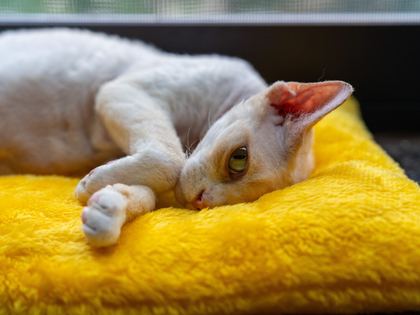
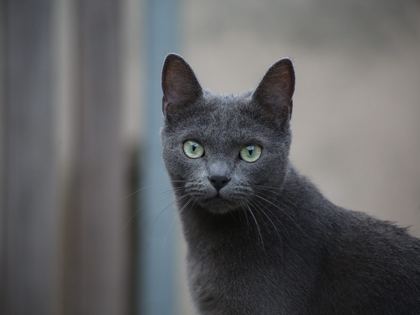
- Cats: the Siberian, Balinese, and hairless Sphynx are often described as easier on allergies, but allergy specialists say no cat breed has been shown to be hypoallergenic, and that coat length makes no difference to allergen levels — even a hairless cat makes the same proteins in its saliva and skin.
Remember, lower-allergen is not allergen-free. Meet the individual dog or cat first and see how your body responds over a few visits.
Cut down allergens at home
Whatever pet you choose, a few habits make a real difference for a sensitive household:
- Run a HEPA air purifier in the rooms where you spend the most time.
- Keep the bedroom a pet-free zone so you get several hours of low-allergen sleep each night.
- Groom and bathe dogs regularly, ideally with help from someone who is not allergic, to remove loose hair and dander.
- Vacuum with a HEPA filter, wash pet bedding often, and wash your hands after petting.
These steps will not replace choosing the right pet, but together they can make living with an animal far more comfortable.
Common allergy mistakes
The biggest mistake is trusting the word "hypoallergenic" on its own and buying a pet sight unseen. Always meet the animal first. It is also risky to assume a doodle or other "hypoallergenic" mix will be safe, because coat types vary even within a single litter. And never try to rehome a family's allergy problem onto the animal without first giving a good air purifier, a pet-free bedroom, and a talk with your doctor a fair try.
Keep exploring with our guides to pets that don't smell, the best family dog breeds, and low-maintenance pets, or take our free pet quiz to find a match that fits your home.
🛒 Recommended supplies
Hand-picked gear for this guide. Affiliate links — we may earn a commission. The $/$$/$$$ badges are a rough budget guide, not live prices.










❓ Common questions
What is the best pet for someone with allergies?
Fur-free pets like fish, reptiles, and amphibians are the safest bet because they produce no dander. Among furry pets, low-shedding dog breeds like Poodles and cat breeds like the Siberian are often better tolerated, but none are completely allergen-free.
Are there any 100% hypoallergenic pets?
No. No dog, cat, or other furry animal is completely hypoallergenic, because allergens come from dander, saliva, and urine as well as fur. Fish, reptiles, and amphibians come closest since they produce no dander.
What is the most hypoallergenic dog breed?
Poodles are among the most popular lower-allergen dogs because they shed very little. Bichon Frises, Shih Tzus, and Portuguese Water Dogs are also common choices, but you should always meet a specific dog before deciding.
Are there hypoallergenic cat breeds?
Some breeds, such as the Siberian, Balinese, and hairless Sphynx, are often better tolerated by allergy sufferers. Even so, every cat still produces the proteins in saliva and skin that cause reactions.
Can I still have a pet if I have allergies?
Often yes. Choosing a lower-allergen pet, running a HEPA air purifier, keeping pets out of the bedroom, and grooming regularly can make living with an animal much easier. It also helps to check with your doctor.