🐠 How to Set Up a Freshwater Aquarium for Beginners
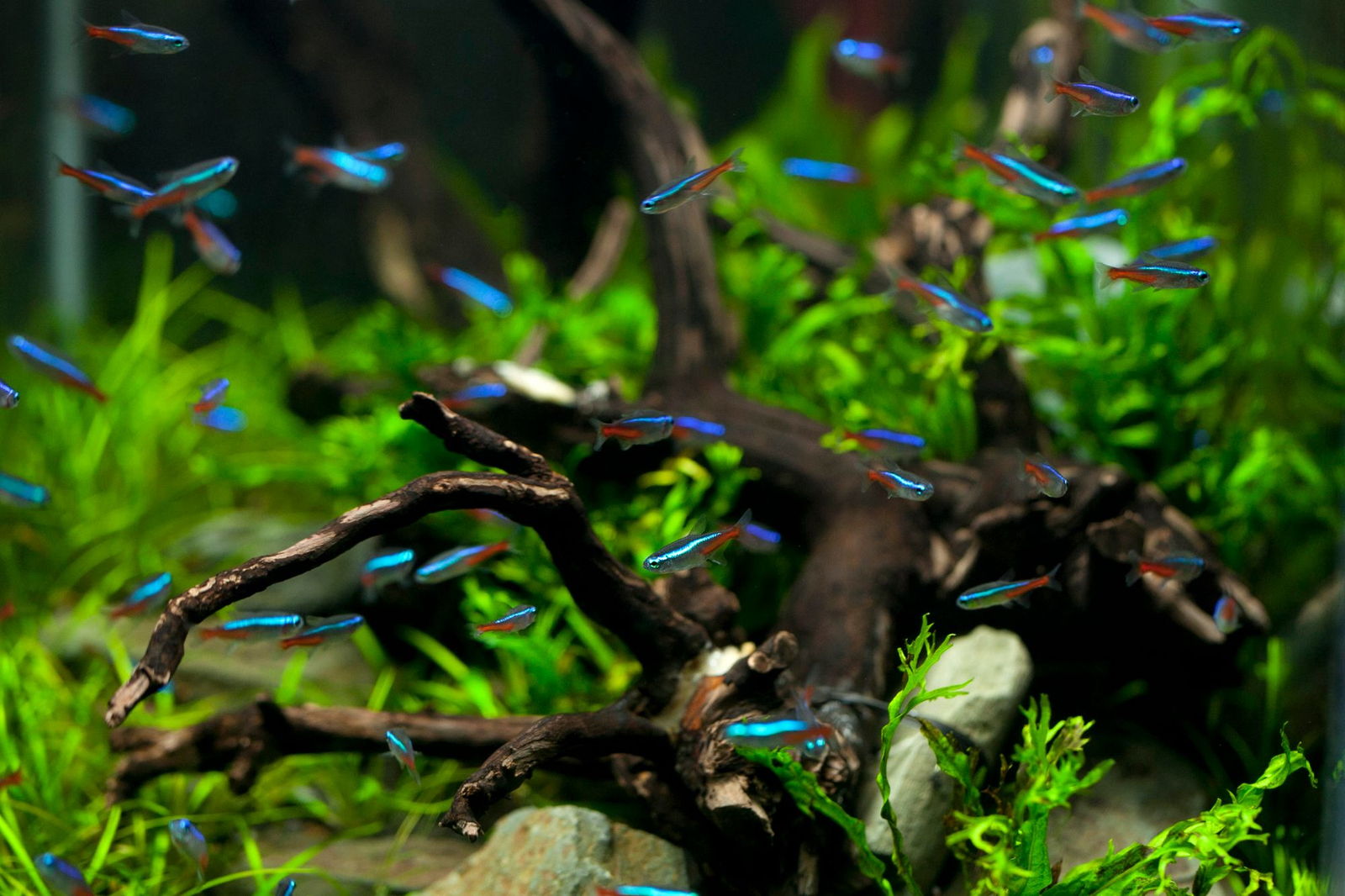
To set up a freshwater aquarium for beginners, follow five steps in order: pick a 10 to 20 gallon tank, add a filter and a heater, rinse the substrate and fill the tank with dechlorinated water, cycle the tank before adding any fish, and then add fish slowly a few at a time. Good first fish include a betta or small, peaceful schooling fish. The single most important step is cycling, and it is the one beginners skip most often. Here is the whole process, one step at a time.
Step 1: Pick the right tank
Choose a tank between 10 and 20 gallons. It is tempting to start with a tiny bowl, but bigger tanks are actually easier for beginners. More water stays cleaner and more stable, so the temperature and water quality do not swing as fast when something changes. A small bowl gives you almost no room for error, while a 10 to 20 gallon tank is far more forgiving while you learn.
Step 2: Add a filter and heater
Every tank needs a filter. The filter keeps the water clear and, just as importantly, gives beneficial bacteria a place to live. If you plan to keep tropical fish, you also need a heater to hold a steady, warm temperature. Coldwater setups may not need a heater, but most popular beginner fish are tropical, so plan for one. Set up and turn on the filter and heater before your fish ever arrive.
Step 3: Rinse the substrate, fill, and add conditioner
Rinse your gravel or sand with plain water first to wash away dust, then add it to the tank. Fill the tank with water, then add a water conditioner, also called a dechlorinator. Tap water contains chlorine that is harmful to fish, and the conditioner neutralizes it and makes the water safe. Do not skip this step, even if the water looks perfectly clean.
Step 4: Cycle the tank before adding fish
This is the step beginners skip most, and it is the most important one. Cycling means growing a colony of beneficial bacteria in your filter and substrate before any fish move in. Those bacteria run the nitrogen cycle, which keeps your fish safe.
- Fish waste and leftover food release ammonia, which is very toxic to fish.
- One group of bacteria turns that ammonia into nitrite, which is also toxic.
- A second group turns nitrite into nitrate, which is far less harmful and is removed by your regular water changes.
Growing enough bacteria to handle this usually takes a few weeks, and they need feeding while they grow: with the filter and heater running, add a pinch of fish food or a few drops of bottled ammonia every couple of days, and test the water as you go. The tank is ready when ammonia and nitrite both read zero and a little nitrate has appeared. Cycling before you add fish means your tank can safely process waste from day one, instead of poisoning the very first fish you buy. Be patient here, because this waiting period is what separates a healthy tank from a heartbreaking one.
Step 5: Add fish slowly
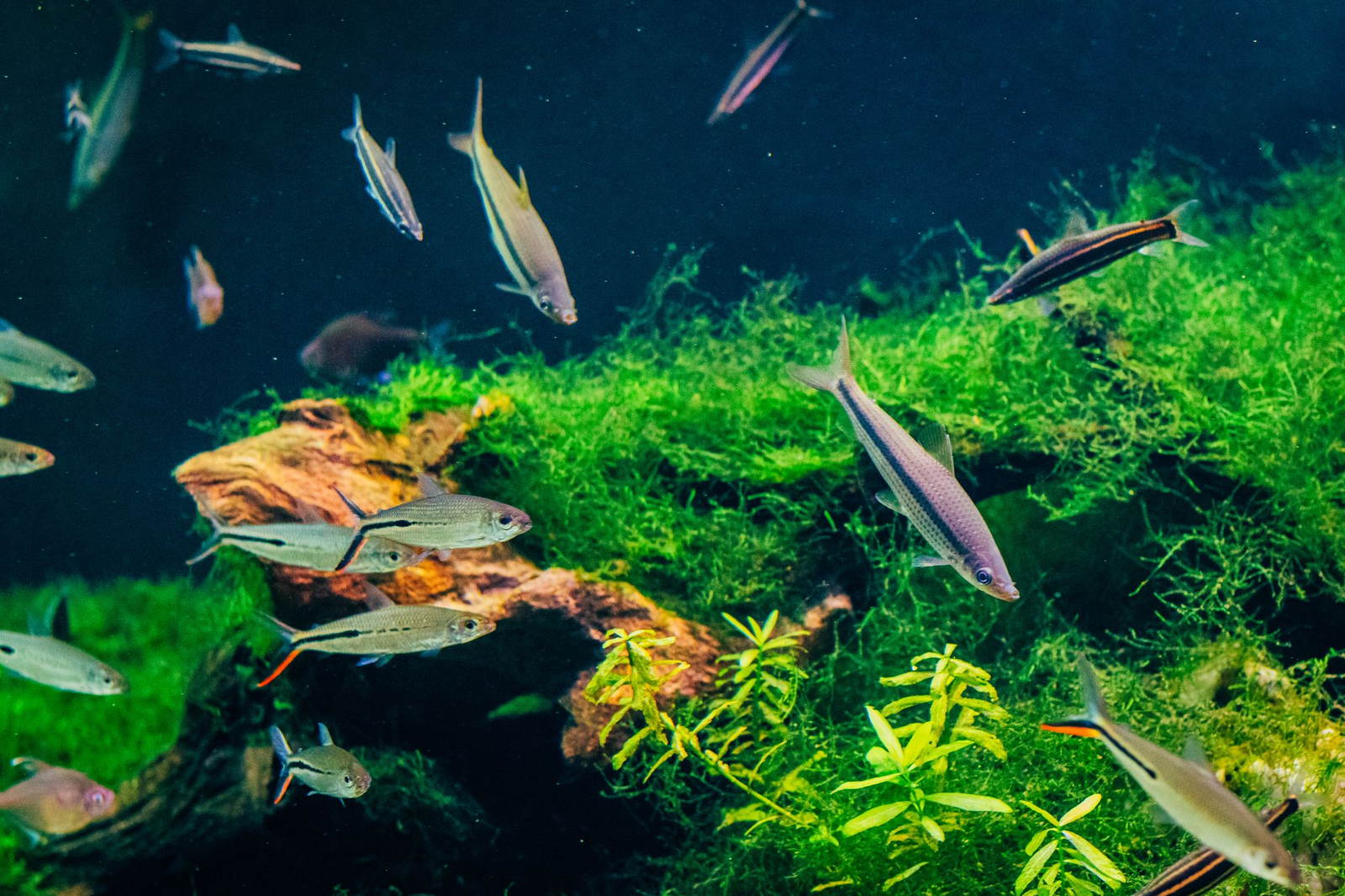
Once your tank is cycled, add fish a few at a time rather than all at once. Adding everyone on the same day floods the tank with more waste than the bacteria can handle. Great beginner fish include a betta on its own, or small, peaceful schooling fish like tetras, guppies, or platies, along with a group of six or more corydoras catfish patrolling the bottom — they only settle in a crowd, and most kinds want a 20-gallon tank. Research the adult size and needs of each fish, and do not overstock. A crowded tank is stressful and hard to keep clean.
Ongoing care and common mistakes
Keeping the tank healthy is straightforward once it is running. Do regular partial water changes, test the water so you can catch problems early, and feed only small amounts, since overfeeding is a leading cause of dirty water. Watch out for the mistakes that trip up most beginners:
- Skipping the cycling step and adding fish to a brand-new tank.
- Overstocking with too many fish or fish that grow too large.
- Using a tiny, unfiltered, or unheated bowl.
- Adding all your fish on the same day.
Avoid those, and your first aquarium can thrive for years.
Want more help getting started? See our guides to the best beginner fish tank and low-maintenance pets, or take our free pet quiz to find your ideal first pet.
🛒 Recommended supplies
Hand-picked gear for this guide. Affiliate links — we may earn a commission. The $/$$/$$$ badges are a rough budget guide, not live prices.
🧽 Cleaning & maintenance
The main job is regular water changes. Each week, use a gravel vacuum (siphon) to remove about 20–30% of the water along with waste from the bottom, then refill with fresh water treated with a dechlorinator so it is safe. Scrape algae off the glass as needed and rinse the filter media in old tank water — never tap water, which kills the good bacteria. Test the water so you can catch problems early. Never do a full strip-down that wipes out the filter bacteria; steady partial maintenance keeps the water stable and your fish healthy.
Cleaning supplies for this habitat. Affiliate links — we may earn a commission. The $/$$/$$$ badges are a rough budget guide, not live prices.
⚠️ Common fish setup mistakes
Already have one and something feels off? Start here. These catch almost everybody — none of them mean you have done badly, and every one of them is fixable.
I added fish before cycling — can I still save them?
The mistake: Adding fish before the tank finished cycling.
With no bacteria in the filter yet, ammonia from the fish builds up within days and burns their gills and skin. They hang near the surface, clamp their fins and stop eating long before the water ever looks dirty.
Try this: You can still save them. Change half the water every day with dechlorinated water at the same temperature, test until ammonia and nitrite both read zero, and keep feeding small amounts — starving the fish does not speed the cycle up. Expect a few weeks of this.
Why did ammonia come back in my cycled tank?
The mistake: Rinsing the filter sponge under the tap.
Chlorine in tap water kills the bacteria living in that sponge, and a brand-new replacement cartridge arrives carrying none at all. The tank drops back to square one, and this time the fish are already in it.
Try this: Swish the sponge in a bucket of water you have just siphoned out of the tank, then put the same sponge straight back. If your filter takes disposable cartridges, leave the old one in beside the new one for a month so the bacteria can move across.
Can I pour the pet store bag water into my tank?
The mistake: Tipping the bag straight into the tank.
Bag water is usually cooler than your tank, and a sudden temperature jump shocks a fish that has already had a stressful trip home. The water itself can carry whatever was going round the shop's tanks.
Try this: Turn the tank lights off, float the sealed bag for about half an hour so the temperatures match, then net the fish out and tip the bag water down the sink. It costs nothing except the waiting.
Can you get sick from cleaning a fish tank?
The mistake: Emptying tank water into the kitchen sink.
Aquarium water can carry germs such as Salmonella, and the bacteria behind fish tank granuloma get in through a cut on your hand. The kitchen sink is where food gets prepared, so it is the one place you would rather they did not go.
Try this: Tip old tank water into the bath, a laundry sink or outside, and wash hands with soap and running water before and after tank jobs. Wear rubber gloves if you have a cut. Children under five should not clean the tank or handle the equipment — that one is a grown-up's job.
Will my pleco outgrow my tank?
The mistake: Buying a common pleco to clean algae.
The three-inch algae eater in the shop tank is a baby that grows to nearly two feet, and it produces an enormous amount of waste on the way there. Full-grown ones are close to impossible to rehome.
Try this: While yours is still small, ask your shop or a local fish club to take it back — that is much easier now than later. A bristlenose pleco stays around four to six inches and does the same job, and a nerite snail or a group of otocinclus suits a 20-gallon better.
❓ Common questions
How long does it take to cycle a fish tank?
Cycling a new tank usually takes a few weeks, often around four to six. Feed the bacteria while they grow by adding a pinch of fish food or a few drops of bottled ammonia every couple of days, and test the water as you go. The cycle is complete when ammonia and nitrite both read zero and a little nitrate has appeared.
Do you need to cycle a tank before adding fish?
Yes. Cycling grows the beneficial bacteria that process fish waste, so your tank can handle ammonia and nitrite safely from the start. Adding fish to an uncycled tank exposes them to toxic ammonia and is the most common beginner mistake.
What size tank is best for a beginner?
A tank between 10 and 20 gallons is ideal for beginners. Larger volumes of water stay cleaner and hold a more stable temperature, so they are far more forgiving than a tiny bowl when something goes wrong while you are still learning.
What are the best beginner freshwater fish?
A betta kept on its own is a great choice, as are small, peaceful schooling fish like tetras, guppies, and platies. Corydoras catfish are also popular and helpful bottom-dwellers. Whatever you choose, add them slowly and avoid overstocking.
Do I need a heater for my aquarium?
If you keep tropical fish, yes. A heater holds a steady, warm temperature, and most popular beginner fish are tropical. Some coldwater fish do not need one, but for a typical first tropical tank a heater is essential.
Why did my new fish die so quickly?
The most common reasons are skipping the tank cycle, adding too many fish at once, or forgetting to use a dechlorinator, all of which expose fish to toxic water. Overfeeding and overstocking make it worse. Cycling first and adding fish slowly prevents most early losses.
How much does a fish cost to keep?
Setting up a fish habitat means buying the basics like 20-gallon tank kit, water test kit, heater + filter. Day to day, a fish runs about $10–$35 a month for food, bedding, and supplies — the one-time habitat setup and any vet care are extra.
Is a fish a good pet for an apartment?
Yes. Fish need only a small space, so they suit apartments and small bedrooms well — just give the habitat a stable spot out of direct sun and drafts.
How much time does a fish need each day?
Only a little. A fish needs a few minutes a day for fresh food and water and a quick health check, plus a bigger clean about once a week.
📚 Where this comes from
We check our care advice against vets, animal charities, and government health guidance. Here is what this page is built on.
Vets, charities & official guidance
- Choosing an aquarium for pet fish — RSPCA
- Aquarium water quality and cycling — RSPCA Australia
- Ammonia in aquatic systems — UF/IFAS Extension
Keeper & species-community guides
Checked August 2026. These are other people’s websites, and none of it replaces your own vet — if a pet seems unwell, call one.