🐠 How to Choose the Best Beginner Fish Tank or Betta Aquarium
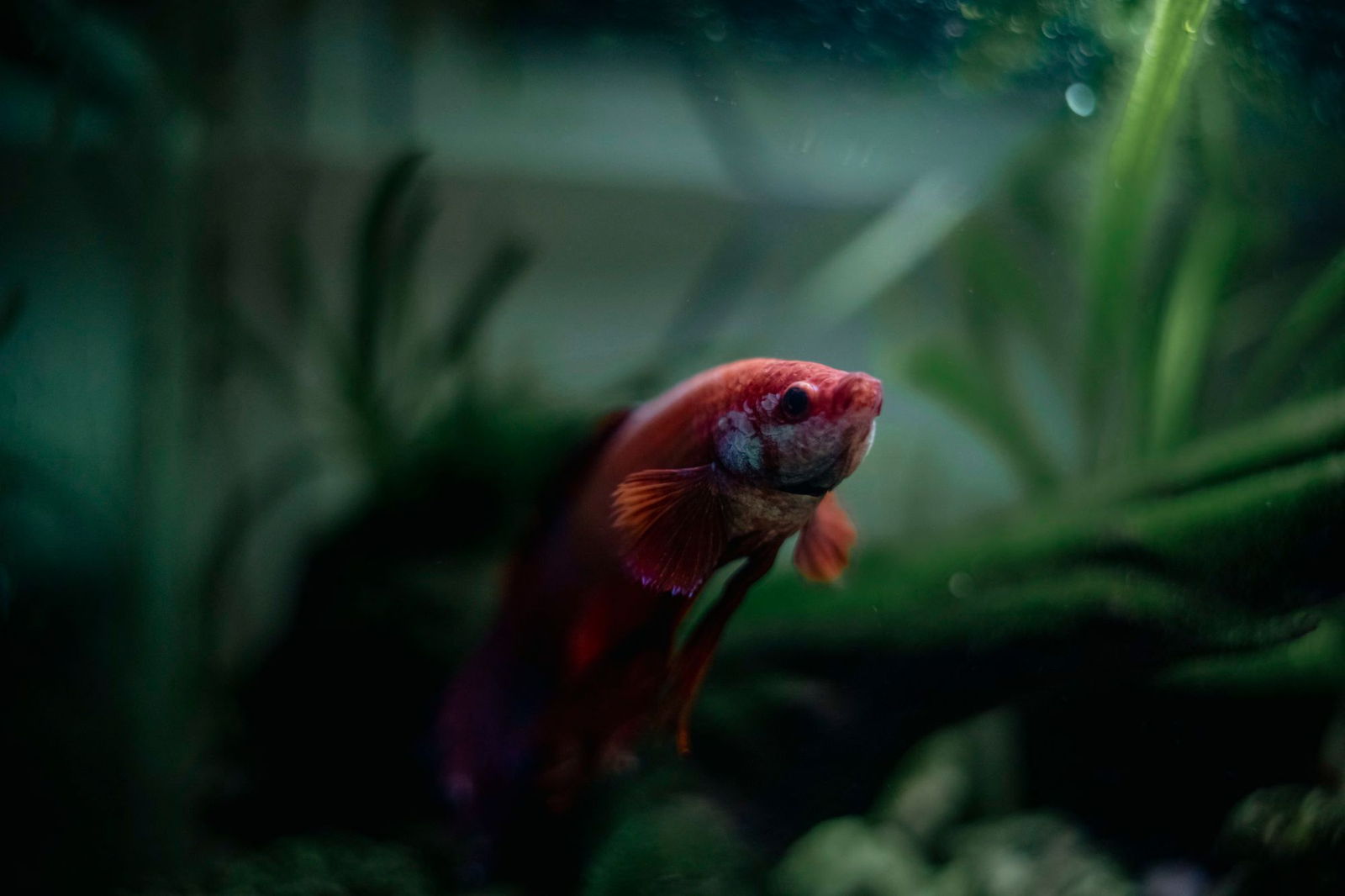
Choosing your first fish tank comes down to one friendly rule: bigger is easier. More water means more stable temperature and water quality, which makes the whole tank far more forgiving of beginner mistakes. It sounds backwards, but a tiny tank is actually harder to keep healthy than a roomy one. This guide walks you through picking the right tank and gear so your fish get off to a strong start.
Skip the bowls, pick a real tank
Skip bowls and mini-cubes. Tanks under about 2.5 gallons swing in temperature and water quality so quickly that they are genuinely hard to keep healthy, no matter how careful you are. Choosing a larger, properly equipped tank from the start saves you constant trouble later. A basic starter kit, with the tank, filter, and light together, is usually the best value and takes the guesswork out of matching parts.
What size for which fish
The right size depends on what you want to keep. For a single betta, aim for a 5-gallon tank with a gentle filter and a heater, which is plenty of room for one fish to thrive. For a small community of easy fish like guppies, platies, or danios, a 10-20 gallon tank is the sweet spot. Whatever you choose, research how big your fish grow as adults before buying, and plan the tank around their full-grown size, not the little ones you see in the store.
Heater and thermometer
Most beginner fish are tropical and need a heater. Bettas and common community fish want steady water around 76-80°F, so add an adjustable heater and a thermometer so you can set and check the temperature. Do not skip this, because a cold or fluctuating tank is one of the most common causes of beginner fish illness. Steady warmth is one of the kindest things you can give your fish.
Filter and gentle flow
Every tank needs a filter, but go for a gentle one. Bettas in particular dislike strong current, so look for a filter with adjustable flow that you can turn down. Good, gentle filtration keeps the water clean and the beneficial bacteria thriving without blasting your fish around the tank.
Cycle first, then stock slowly
Before any fish go in, let the tank cycle. This grows the beneficial bacteria that keep the water safe, and it is the single biggest step beginners skip. Our freshwater aquarium setup guide walks you through it. Once fish are in, do not overstock and do not add them all at once; introduce a few at a time so the tank can keep up. Keep things healthy with regular partial water changes. When the tank is well established, you can even add a small shrimp or snail clean-up crew.
Quick setup checklist
- Choose bigger for stability; skip anything under about 2.5 gallons
- 5 gallons for a betta; 10-20 gallons for a small community
- Starter kit (tank, filter, light) for the best value
- Adjustable heater and thermometer for steady 76-80°F water
- Gentle filter with adjustable flow
- Cycle before stocking; add fish gradually; do regular water changes
Get the tank and gear right and the fish part becomes easy, so for more help deciding, read how to choose a pet or take our free pet quiz.
🛒 Recommended supplies
Hand-picked gear for this guide. Affiliate links — we may earn a commission. The $/$$/$$$ badges are a rough budget guide, not live prices.
🧽 Cleaning & maintenance
The main job is regular water changes. Each week, use a gravel vacuum (siphon) to remove about 20–30% of the water along with waste from the bottom, then refill with fresh water treated with a dechlorinator so it is safe. Scrape algae off the glass as needed and rinse the filter media in old tank water — never tap water, which kills the good bacteria. Test the water so you can catch problems early. Never do a full strip-down that wipes out the filter bacteria; steady partial maintenance keeps the water stable and your betta fish healthy.
Cleaning supplies for this habitat. Affiliate links — we may earn a commission. The $/$$/$$$ badges are a rough budget guide, not live prices.
⚠️ Common betta fish setup mistakes
Already have one and something feels off? Start here. These catch almost everybody — none of them mean you have done badly, and every one of them is fixable.
Can two betta fish live in the same tank?
The mistake: Putting two bettas in one tank.
Male bettas fight over territory and do not stop; the RSPCA is blunt that one of them ends up dying. Females can turn on each other too, and the torn fins that follow often get infected.
Try this: One betta per tank. A second small tank with its own heater is the honest answer, and it is real money. A solid divider in a longer tank is the cheaper route, as long as each side gets warm water and somewhere to hide.
Why did my betta jump out of the tank?
The mistake: Running the tank without a lid.
Bettas jump, and a fish on the carpet has only minutes. They also come up to gulp air from the surface, so a tank filled right to the brim leaves them nowhere to breathe.
Try this: Use the hood the tank came with, or cut a sheet of plastic craft mesh to size for a couple of dollars. Leave an inch or two of air between the water and the lid, and block any gap where the filter cable goes in.
Why are my betta's fins ripped or torn?
The mistake: Decorating with sharp plastic plants.
Long betta fins catch on hard plastic leaves and rough ornaments, and those small tears are where fin rot starts. Fin-nipping tankmates such as tiger barbs or serpae tetras do exactly the same damage.
Try this: Run a pair of pantyhose over every decoration — anything that snags comes out or gets sanded smooth. Silk and live plants are kinder, and a broad leaf near the surface gives your betta a favorite place to rest.
How many corydoras do I need in a 10 gallon tank?
The mistake: Buying two or three corydoras catfish.
Corys only relax in a crowd. In twos and threes they hide at the back, go off their food and slowly fade, and most kinds also need more floor space than a 10-gallon gives them.
Try this: Build the group up to six or more of the same kind. Dwarf sorts like pygmy corys are happy in a 10-gallon; the standard sizes want 20 gallons. If a bigger tank is not possible, a shop or fish club will usually take yours to join a larger group.
How do I know if my tank is cycled?
The mistake: Judging the water by how clear it looks.
Ammonia and nitrite are invisible, so water can be crystal clear and still be strong enough to burn a fish's gills. Clear water is the single reason most people think a new tank is ready when it is not.
Try this: The RSPCA calls a test kit essential rather than an optional extra. A liquid kit is about $30 and lasts hundreds of tests, and plenty of fish shops will test a jar of your water for free. You are waiting for ammonia 0, nitrite 0, and a little nitrate showing.
❓ Common questions
How much does a betta fish cost to keep?
Setting up a betta fish habitat means buying the basics like 5-gallon betta tank kit, 10–20 gallon starter kit, adjustable aquarium heater. Day to day, a betta fish runs about $8–$20 a month for food, bedding, and supplies — the one-time habitat setup and any vet care are extra.
Is a betta fish a good pet for an apartment?
Yes. Betta fish need only a small space, so they suit apartments and small bedrooms well — just give the habitat a stable spot out of direct sun and drafts.
How much time does a betta fish need each day?
Only a little. A betta fish needs a few minutes a day for fresh food and water and a quick health check, plus a bigger clean about once a week.
📚 Where this comes from
We check our care advice against vets, animal charities, and government health guidance. Here is what this page is built on.
Vets, charities & official guidance
- Choosing an aquarium for pet fish — RSPCA
- How should I care for my tropical fish? — RSPCA Australia
- How should I care for my Siamese fighting fish? — RSPCA Australia
Keeper & species-community guides
Checked August 2026. These are other people’s websites, and none of it replaces your own vet — if a pet seems unwell, call one.