Geckos are calm, quiet, allergy-friendly reptiles that can be gently held and live a very long time. They're a brilliant first reptile — you just need to set up their habitat correctly and keep it at the right temperature and humidity.
Is a gecko a good pet for kids?
Quick answer: Geckos are great pets for most kids. Geckos are calm, quiet, allergy-friendly reptiles that can be gently held and live a very long time.
- 👍 Best for: calm, quiet, and allergy-friendly, long-lived — a 10–20 year friend, often 15–20 with good care
- 👀 Keep in mind: eat live insects (some eat powdered food)
- ⏳ Lifespan: 10–20 years
- 💲 Ongoing cost: about $20–$40/mo (setup & vet extra)
📋 Gecko at a glance
Should I get a gecko?
💚 Why you'll love a gecko
- Calm, quiet, and allergy-friendly
- Many are gentle and okay to hold
- Long-lived — a 10–20 year friend, often 15–20 with good care
- Fascinating to watch and learn from
⚠️ Things to know
- Eat live insects (some eat powdered food)
- Need the right heat and humidity
- Setting up the tank takes some learning
- Not cuddly like a furry pet
The honest answer: Yes for a calm kid who likes watching — just buy it as a fifteen-year pet, not a starter reptile, and not at all if a toddler lives here.
👍 Get one if…
- Your kid is patient, happy to watch and handle briefly
- You have little space and a modest monthly budget
- You're squeamish about crickets — cresteds eat powder
- Your fur-allergic kid still wants a real pet
👎 Think again if…
- You have a baby or toddler under five
- You're treating fifteen-plus years as a starter pet
- You want a pet that cuddles back
- Your kid wants an animal that's awake in daylight
✅ Am I ready for a gecko?
Wanting one and being ready for one are different questions. These are the ones worth answering honestly before you decide — there are no wrong answers, and a "not yet" is a perfectly good result.
Leopard geckos eat LIVE insects — wriggly crickets and mealworms. Could you feed them (and maybe keep a cricket tub)?
- Yes! Feeding live bugs sounds cool
- I could try, with gloves maybe
- No way, too wiggly
If that one gave you pause: Visit a pet store and watch a gecko feeding — make sure the bug part is exciting, not icky, before you commit.
Geckos need their tank warm on one side (with a heat mat + thermostat) every day of the year. Can you check temps daily?
- Daily temperature check — easy
- Most days
- I'd probably forget
If that one gave you pause: Make a morning habit: glance at the thermometer when you say good morning to your gecko. Warm side ≈ 88–92°F (31–33°C).
How to care for your Gecko
Gecko care in depth
Leopard gecko vs. crested gecko — pick your setup first
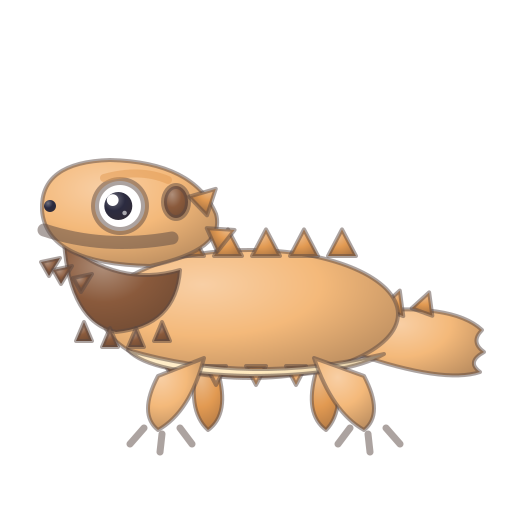
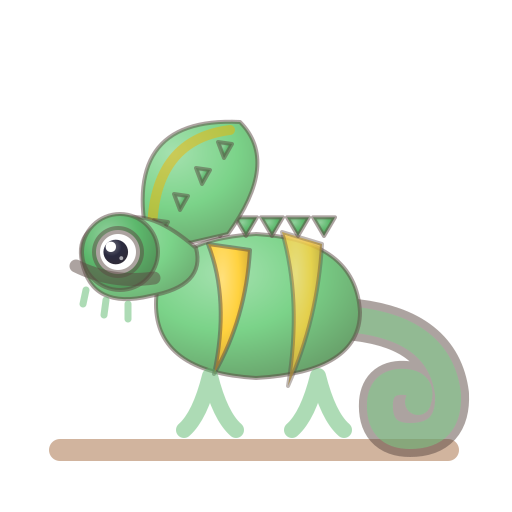
"Gecko" usually means one of two beginner species, and they need different homes. A leopard gecko is a ground-dwelling desert lizard that needs a warm end under an overhead bulb (a heat mat is an optional extra) and eats live insects. A crested gecko is a tree-climbing, humidity-loving species that needs a tall, planted tank and can live on a ready-made powdered diet plus occasional insects, which many families find easier. Decide which you want before buying gear.
Getting heat, humidity, and lighting right
Reptile health lives and dies by the enclosure. Provide a warm end and a cool end so your gecko can move between temperatures, and track both with a thermometer and hygrometer — guessing is the top beginner mistake. Leopard geckos want a warm spot around 88–92°F with a dry setup and a humid hide for shedding; crested geckos prefer cooler, more humid conditions. Offer low-level UVB, at least two hides, and fresh water.
Feeding, handling, and a very long commitment
Insect-eating geckos get calcium-dusted crickets, dubia roaches, or mealworms — never wild-caught bugs. Handle gently and briefly, support the whole body, and never grab the tail, which a stressed gecko can drop. Above all, plan for the long haul: leopard geckos commonly live 15–20 years, so this is a genuine decade-plus commitment, not a starter pet to outgrow.
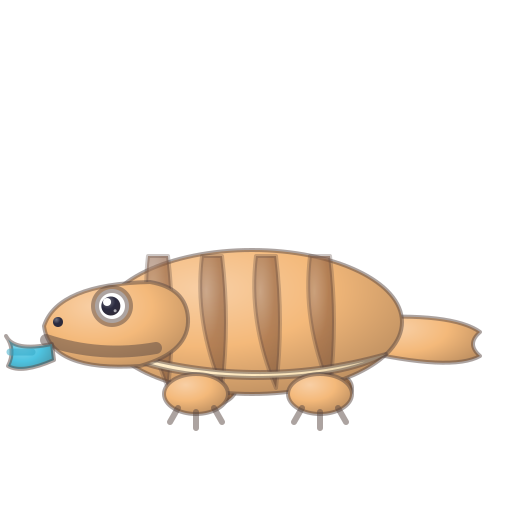
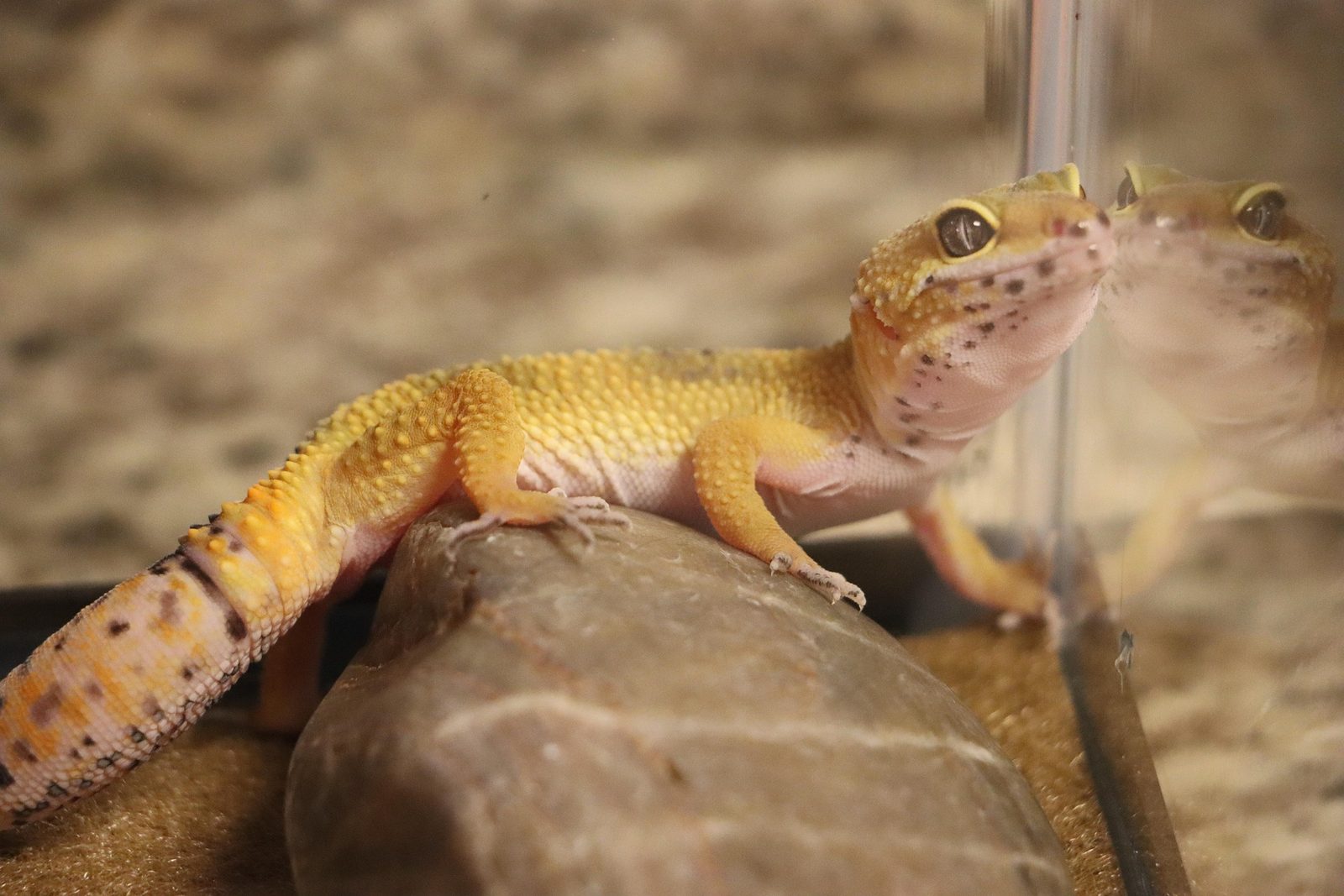
Leopard geckos are calm, easy-to-handle lizards that are great for first-time reptile keepers. They live 10–20 years, so they're a long-term friend.
✅ Before you bring a gecko home
🗓️ Your routine — easy chores to remember
- Check the warm and cool temperatures
- Fresh water in the dish
- Spot-clean any droppings
- Feed gut-loaded insects every 1–2 days, dusted with calcium
- Wipe the glass
- Check they're eating and acting normal
- Full tank clean
- Check shedding (especially toes)
- Reptile-vet visit if anything seems off
💰 Monthly cost: Medium: the tank, heat/lighting, and supplies cost more than the gecko and food.
🤩 Fun facts about your Gecko
Many geckos can drop their tail to escape, then grow a new one.
❓ Common questions about geckos
How much does a gecko cost per month?
Plan on roughly $20–$40 per month for food and supplies. Medium: the tank, heat/lighting, and supplies cost more than the gecko and food.
Are geckos good pets for kids?
Yes! Geckos rate 4/5 for kid-friendliness. Support their body, keep sessions short, and never grab the tail. Let them walk hand to hand.
How long do geckos live?
Geckos typically live 10–20 years. Make sure your family is ready for that commitment before bringing one home.
Are geckos allergy-friendly?
Reptiles don't have fur or dander, so geckos are a great allergy-friendly choice. (Always wash hands — reptiles can carry germs like salmonella.)
Should I get a gecko?
Yes for a calm kid who likes watching — just buy it as a fifteen-year pet, not a starter reptile, and not at all if a toddler lives here. Get one if: Your kid is patient, happy to watch and handle briefly; You have little space and a modest monthly budget; You're squeamish about crickets — cresteds eat powder; Your fur-allergic kid still wants a real pet. Think again if: You have a baby or toddler under five; You're treating fifteen-plus years as a starter pet; You want a pet that cuddles back; Your kid wants an animal that's awake in daylight.
Is a leopard gecko a good pet for beginners?
Yes — leopard geckos are one of the best beginner reptiles: calm, quiet, allergy-friendly, and usually tolerant of gentle handling. The learning curve is the habitat (correct heat, a humid hide, and live insects), and they live 15–20 years, so it is a long commitment.
Is a bearded dragon or a leopard gecko easier?
Leopard geckos are smaller, nocturnal, and cheaper and simpler to house, with no large basking setup required. Bearded dragons are bigger, active by day, and more interactive but need a large tank with strong UVB and heat. Choose the gecko for a smaller, simpler setup.
What do pet geckos eat?
Leopard geckos eat live insects such as calcium-dusted crickets, dubia roaches, and mealworms. Crested and gargoyle geckos can live mainly on a ready-made powdered gecko diet with occasional insects, which many keepers find easier.
How long do geckos live?
A long time for a small pet — leopard geckos commonly live 15–20 years with good care, so plan for a decade-plus commitment before getting one.
🎬 Gecko care video
A beginner care guide from YouTube. (Community video — always double-check with a vet.)
📚 Where this comes from
We check our care advice against vets, animal charities, and government health guidance. Here is what this page is built on.
Vets, charities & official guidance
- Leopard gecko care — RSPCA
- Crested gecko care — RSPCA
- Leopard gecko information sheet — LafeberVet
- Leopard geckos: care and feeding — VCA Animal Hospitals
Keeper & species-community guides
Checked August 2026. These are other people’s websites, and none of it replaces your own vet — if a pet seems unwell, call one.