Beginner snakes like corn snakes and ball pythons are calm, quiet, and surprisingly low-maintenance — they eat only about once a week. They need a secure tank with the right warmth and live a very long time, so they're a long, fascinating commitment for older kids and careful families.
Is a snake a good pet for kids?
Quick answer: Snakes are good pets for the right kid. Beginner snakes like corn snakes and ball pythons are calm, quiet, and surprisingly low-maintenance — they eat only about once a week.
- 👍 Best for: very low-maintenance — eat about once a week, allergy-friendly
- 👀 Keep in mind: eat whole frozen-then-thawed rodents
- ⏳ Lifespan: 15–30 years
- 💲 Ongoing cost: about $15–$40/mo (setup & vet extra)
📋 Snake at a glance
Should I get a snake?
💚 Why you'll love a snake
- Very low-maintenance — eat about once a week
- Calm, quiet, and clean
- Allergy-friendly
- Fascinating to watch and handle
⚠️ Things to know
- Eat whole frozen-then-thawed rodents
- Need a secure, escape-proof tank
- Live 15–30 years
- Some people are nervous around snakes
The honest answer: Yes for an older kid, if the whole family accepts frozen mice in the freezer and a snake that may still be around in thirty years.
👍 Get one if…
- Your older kid is fine with thawing frozen mice
- You're busy and want a pet fed once a week
- You're calm and like slow, deliberate animals
- You're planning for the adult's full-size tank
👎 Think again if…
- You're squeamish about rodents in the kitchen freezer
- You'd buy a hatchling tank and stop there
- You have children under five, per CDC advice
- Someone at home is genuinely afraid of snakes
✅ Am I ready for a snake?
Wanting one and being ready for one are different questions. These are the ones worth answering honestly before you decide — there are no wrong answers, and a "not yet" is a perfectly good result.
Real talk: pet snakes eat frozen-then-thawed mice. Could you (or a grown-up) thaw and serve one every week or two?
- Yes — circle of life, I can do that
- A grown-up would have to do it
- Absolutely not
If that one gave you pause: Talk honestly as a family about mouse-feeding — it's the one job that snake owners can never skip.
Snakes are escape ARTISTS — the tank needs locking clips checked every single time. Are you a double-checker?
- Lock, check, tug — every time
- Usually careful
- I leave things open a lot
If that one gave you pause: Practice the habit: every time you close the tank, physically tug the lid. Escaped snakes hide in walls for weeks!
How to care for your Snake
Snake care in depth
Corn snake or ball python? Pick your beginner snake
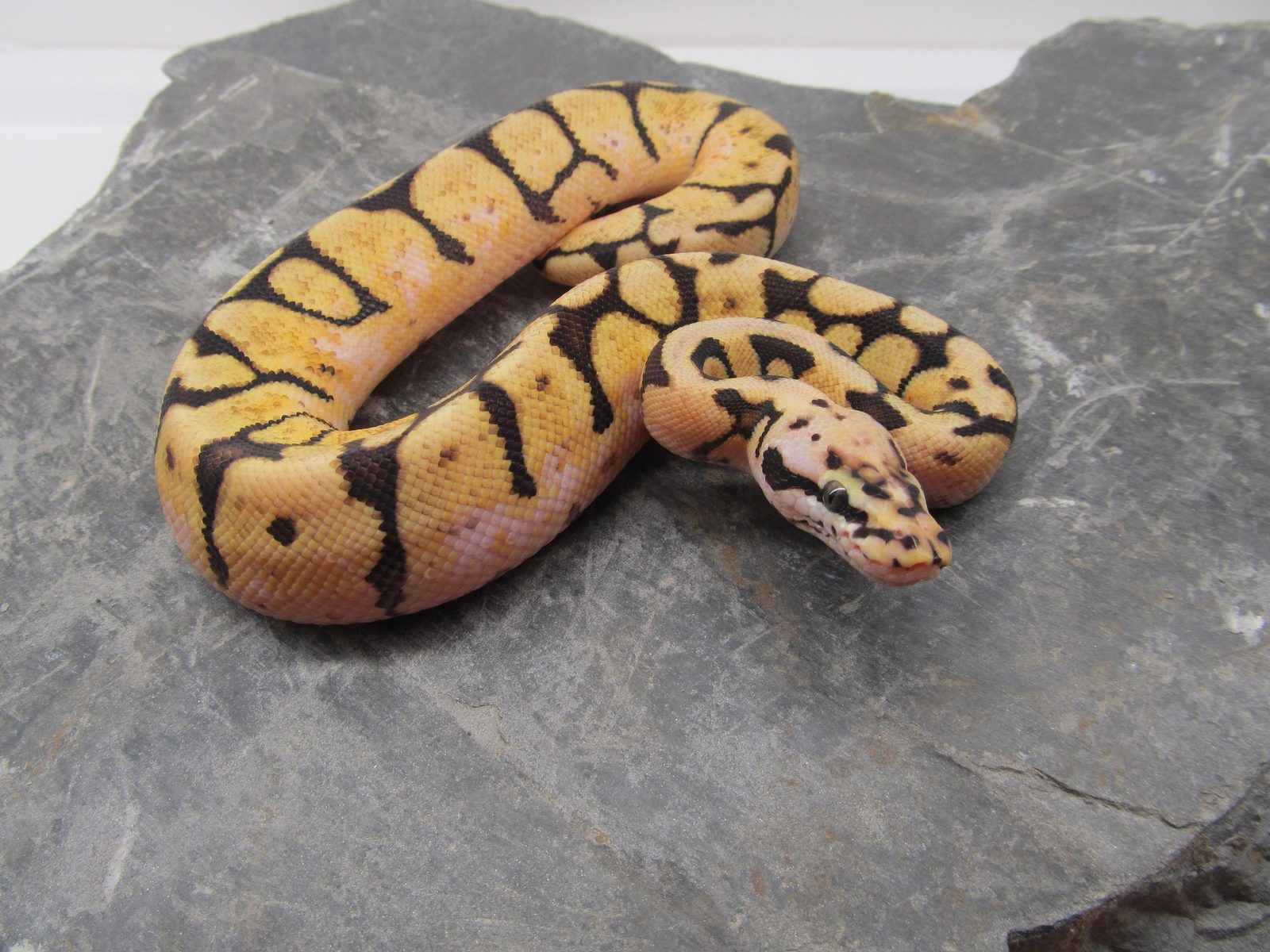
The two best beginner snakes are the corn snake and the ball python, and they suit different keepers. Corn snakes are slim, active, hardy, and very forgiving — the classic first snake. Ball pythons are stockier, calmer, and famously docile, but they can be fussy eaters and need higher humidity. Both stay a manageable size, unlike boas and larger pythons, which beginners should avoid. Buy a captive-bred snake from a reputable breeder or rescue, never wild-caught.
The enclosure: a heat gradient and an escape-proof lid
Snakes are ectotherms, so the enclosure is everything. Provide a thermal gradient — a warm side around 85–90°F and a cooler side around 75–80°F — so your snake can regulate its own temperature, and track both ends with thermometers. Give at least two hides (one on each side) and a water bowl big enough to soak in. The single most important rule: a tight, lockable lid. Snakes are remarkable escape artists that push out through the smallest gap.
Feeding frozen-thawed — and a very long commitment
Pet snakes eat whole frozen-then-thawed rodents (not live prey, which can injure the snake), usually once every one to two weeks — one of the lowest-maintenance feeding routines of any pet. Warm the thawed rodent to room temperature and offer it with tongs. Don't handle your snake for a day or two after a meal, or while it's shedding (its eyes turn cloudy). And plan ahead: corn snakes and ball pythons commonly live 15–30 years.
Pet snakes are quiet, clean, and easier to care for than many people think — but they're a long commitment (some live 20–30 years). They only eat every week or so.
✅ Before you bring a snake home
🗓️ Your routine — easy chores to remember
- Check temperatures and that the lid is secure
- Make sure fresh water is available
- Spot-clean the tank
- Feed on schedule (usually every 1–2 weeks)
- Check humidity, especially during shedding
- Full tank clean
- Check for clean, complete sheds
- Reptile-vet visit if needed
💰 Monthly cost: Low–medium ongoing: cheap to feed; the tank and heat are the main cost.
🤩 Fun facts about your Snake
Snakes "smell" with their tongues, flicking them to taste the air.
❓ Common questions about snakes
How much does a snake cost per month?
Plan on roughly $15–$40 per month for food and supplies. Low–medium ongoing: cheap to feed; the tank and heat are the main cost.
Are snakes good pets for kids?
They can be — snakes rate 3/5 for kid-friendliness, so they suit gentle, slightly older kids. Support the body, move slowly, and avoid handling right after they eat or while they're shedding.
How long do snakes live?
Snakes typically live 15–30 years. Make sure your family is ready for that commitment before bringing one home.
Are snakes allergy-friendly?
No fur or dander, so allergy-friendly. Always wash hands — reptiles can carry salmonella.
Should I get a snake?
Yes for an older kid, if the whole family accepts frozen mice in the freezer and a snake that may still be around in thirty years. Get one if: Your older kid is fine with thawing frozen mice; You're busy and want a pet fed once a week; You're calm and like slow, deliberate animals; You're planning for the adult's full-size tank. Think again if: You're squeamish about rodents in the kitchen freezer; You'd buy a hatchling tank and stop there; You have children under five, per CDC advice; Someone at home is genuinely afraid of snakes.
What is the best pet snake for beginners?
The corn snake and the ball python are the top beginner snakes. Corn snakes are hardy, active, and very forgiving; ball pythons are calm and docile but need higher humidity and can be picky eaters. Both stay a manageable size — avoid large boas and pythons as a first snake.
What do pet snakes eat?
Whole frozen-then-thawed rodents, warmed to room temperature and offered with tongs, usually once every one to two weeks. Live prey is discouraged because it can injure the snake, and the prey's size should roughly match the snake's girth.
Do pet snakes need a heat lamp?
They need a controlled temperature gradient — a warm side around 85–90°F and a cooler side around 75–80°F — using an under-tank heater or low basking bulb on a thermostat, with thermometers at both ends. A secure, escape-proof lid is just as essential.
How long do pet snakes live?
A long time — corn snakes and ball pythons commonly live 15 to 30 years with good care, so a pet snake is a genuine multi-decade commitment, not a short-term pet.
🎬 Snake care video
A beginner care guide from YouTube. (Community video — always double-check with a vet.)
📚 Where this comes from
We check our care advice against vets, animal charities, and government health guidance. Here is what this page is built on.
Vets, charities & official guidance
- Owning a pet snake — VCA Animal Hospitals
- Snakes: feeding — VCA Animal Hospitals
- How to care for a corn snake — RSPCA
- Basic Information Sheet: Boas and Pythons — LafeberVet
Keeper & species-community guides
Checked August 2026. These are other people’s websites, and none of it replaces your own vet — if a pet seems unwell, call one.