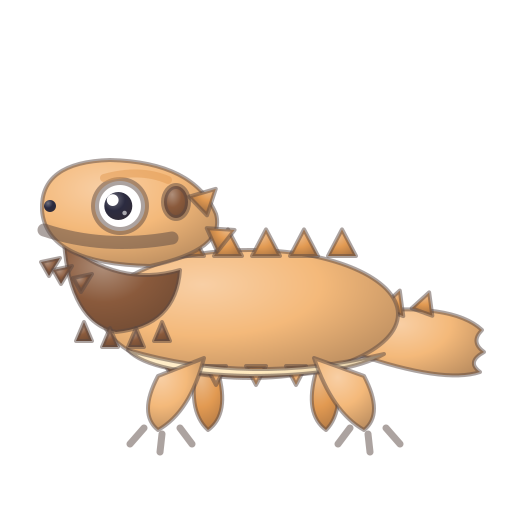
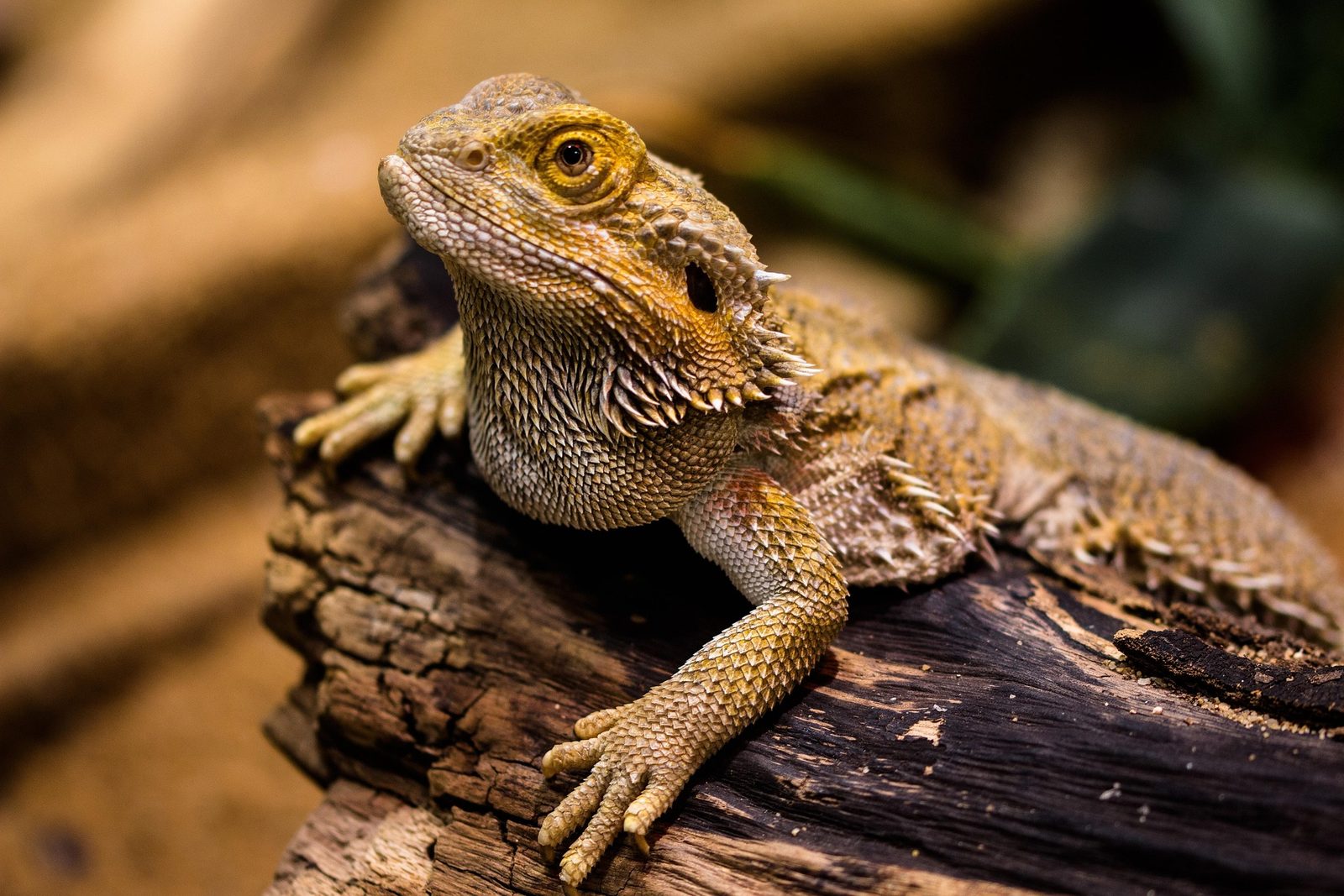
Bearded dragons are one of the best beginner reptiles — calm, friendly, and happy to be handled. They need a big tank with special UVB lighting and heat, plus bugs and veggies, but their easygoing personality makes them a real family favorite.
Is a bearded dragon a good pet for kids?
Quick answer: Bearded dragons are some of the best pets for kids. Bearded dragons are one of the best beginner reptiles — calm, friendly, and happy to be handled.
- 👍 Best for: calm, friendly, and easy to handle, allergy-friendly
- 👀 Keep in mind: need a big tank with UVB light and heat
- ⏳ Lifespan: 10–15 years
- 💲 Ongoing cost: about $30–$60/mo (setup & vet extra)
📋 Bearded Dragon at a glance
Should I get a bearded dragon?
💚 Why you'll love a bearded dragon
- Calm, friendly, and easy to handle
- Active during the day (unlike many reptiles)
- Allergy-friendly
- Loads of personality
⚠️ Things to know
- Need a big tank with UVB light and heat
- Eat live insects plus fresh veggies
- Cost more to set up
- Live 10+ years
The honest answer: Yes, if the setup budget comes first — the beardie is the friendliest starter lizard here and the priciest, and it's off the table with an under-five at home.
👍 Get one if…
- Your kid wants a lizard that hangs out
- You can fund the whole 4x2x2 setup upfront
- You want a pet awake when the kids are
👎 Think again if…
- You have a child under five — outbreaks hit infants
- You've budgeted for the dragon, not the lamps
- You're set on a silkback — even breeders' groups object
- You have no room for a 4x2x2 tank
✅ Am I ready for a bearded dragon?
Wanting one and being ready for one are different questions. These are the ones worth answering honestly before you decide — there are no wrong answers, and a "not yet" is a perfectly good result.
Bearded dragons need a BIG tank (40+ gallons) with special UVB lighting that's replaced every year. Ready for that setup?
- Big tank + UVB + basking lamp — planned!
- I knew about the tank, not the lights
- I thought any tank would do
If that one gave you pause: Build a checklist with a grown-up: 40-gallon tank, UVB tube (replace yearly!), basking lamp, thermometers. UVB keeps their bones strong.
Beardie dinner = live insects AND fresh salad, most days. Bug wrangling and veggie chopping — can you do both?
- Bugs and salads — chef Beardie at your service
- Salad yes, bugs maybe
- Not touching crickets
If that one gave you pause: Watch a beardie feeding video — you'll be keeping live crickets or roaches at home, so make sure that's a YES for you.
How to care for your Bearded Dragon
Bearded Dragon care in depth
The setup that makes or breaks a bearded dragon
Most bearded-dragon health problems trace back to the enclosure. An adult needs a 4x2x2 ft enclosure at minimum (bigger is better) with three things dialed in: a UVB tube light spanning much of the tank (replaced every 6–12 months even if it still glows), a basking spot around 95–110°F at one end, and a cooler end near 75–85°F so your dragon can move between temperatures. Put a digital thermometer at each end — guessing is how dragons end up too cold.
Skip loose sand for young dragons (impaction risk), and skip reptile carpet too — tile, slate, or paper towel is safer while they learn to hunt.
Feeding by age: bugs first, then greens
Diet changes as they grow. Babies and juveniles eat mostly insects — crickets, dubia roaches, black soldier fly larvae — several times a day, plus some greens. Adults shift to mostly leafy greens and vegetables with insects a few times a week. Dust feeder insects with calcium to prevent metabolic bone disease, one of the most common and most preventable beardie illnesses.
Bearded dragon vs. leopard gecko — which beginner reptile?
Both are top beginner reptiles, but they differ. A bearded dragon is bigger, active during the day, and very handleable and interactive, but needs a large tank, UVB, and higher running costs. A leopard gecko is smaller, nocturnal, and cheaper and simpler to house (UVB is beneficial but not strictly required), though it is less of a shoulder-perching, interactive pet.
Choose a beardie if you want a social, daytime lizard and can fund the setup; choose a leopard gecko for a smaller budget and footprint.
Bearded dragons are friendly, curious lizards that often enjoy being handled — a favorite first reptile. They live 10–15 years and need a big tank with special lighting.
✅ Before you bring a bearded dragon home
🗓️ Your routine — easy chores to remember
- Check basking and cool-side temperatures
- Fresh greens and water
- Offer live insects (more for young dragons)
- Spot-clean droppings
- Dust insects with calcium
- Clean the water dish and glass
- Check shedding and behavior
- Full tank clean
- Replace the UVB bulb every 6–12 months
- Reptile-vet check-up yearly
💰 Monthly cost: Higher up front for the tank, UVB, and lamps; modest after setup.
🤩 Fun facts about your Bearded Dragon
Bearded dragons "wave" one arm to say "I see you."
❓ Common questions about bearded dragons
How much does a bearded dragon cost per month?
Plan on roughly $30–$60 per month for food and supplies. Higher up front for the tank, UVB, and lamps; modest after setup.
Are bearded dragons good pets for kids?
Yes! Bearded dragons rate 5/5 for kid-friendliness. Support the body and let them perch on your hand or shoulder — most enjoy gentle handling.
How long do bearded dragons live?
Bearded dragons typically live 10–15 years. Make sure your family is ready for that commitment before bringing one home.
Are bearded dragons allergy-friendly?
Reptiles have no fur or dander, so allergy-friendly. Always wash hands — reptiles can carry salmonella. For that reason health experts suggest waiting until the youngest child is over 5.
Should I get a bearded dragon?
Yes, if the setup budget comes first — the beardie is the friendliest starter lizard here and the priciest, and it's off the table with an under-five at home. Get one if: Your kid wants a lizard that hangs out; You can fund the whole 4x2x2 setup upfront; You want a pet awake when the kids are. Think again if: You have a child under five — outbreaks hit infants; You've budgeted for the dragon, not the lamps; You're set on a silkback — even breeders' groups object; You have no room for a 4x2x2 tank.
Is a bearded dragon or a leopard gecko better for beginners?
Both are excellent. Bearded dragons are larger, active by day, and very handleable but need a big tank with UVB and a higher setup cost. Leopard geckos are smaller, nocturnal, and simpler and cheaper to keep. Pick the beardie for interaction, the gecko for a smaller budget and space.
What size tank does a bearded dragon need?
A single adult needs a 4x2x2 ft enclosure (about 120 gallons) at minimum, and more space is better — the old 40-gallon advice is now considered too small for a grown dragon. Hatchlings can start smaller but grow fast, so many owners buy the adult-size enclosure from the start.
Do bearded dragons need UVB light?
Yes. UVB lets them make vitamin D3 and use calcium; without it they develop metabolic bone disease. Use a quality UVB tube across much of the tank and replace it every 6–12 months even if it still lights up.
What do bearded dragons eat?
Juveniles eat mostly calcium-dusted insects with some greens; adults eat mostly leafy greens and vegetables with insects a few times a week. Avoid wild-caught bugs and always provide fresh water.
🎬 Bearded Dragon care video
A beginner care guide from YouTube. (Community video — always double-check with a vet.)
📚 Where this comes from
We check our care advice against vets, animal charities, and government health guidance. Here is what this page is built on.
Vets, charities & official guidance
- Bearded dragon care — RSPCA
- Owning bearded dragons — VCA Animal Hospitals
- Salmonella outbreak linked to pet bearded dragons — CDC
- Reptiles and amphibians, Healthy Pets Healthy People — CDC
Keeper & species-community guides
Checked August 2026. These are other people’s websites, and none of it replaces your own vet — if a pet seems unwell, call one.