🏫 The Best Classroom Pets (Teacher-Approved Picks)
💬 For grown-ups: this page links to products on Amazon. As an Amazon Associate I earn from qualifying purchases. How we pick gear →
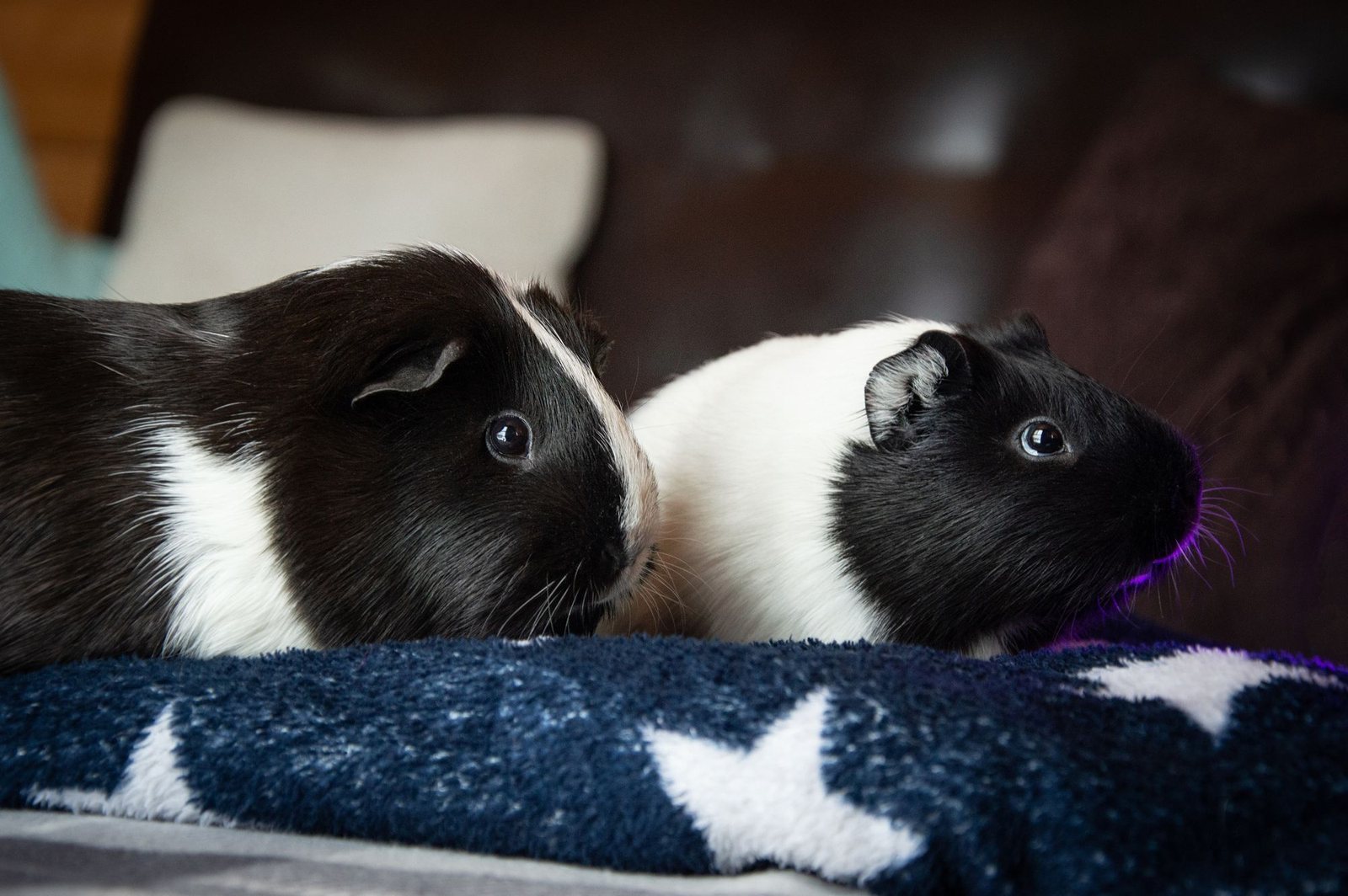
The best classroom pets are hardy, calm animals that are easy to watch, gentle around children, and simple to care for on a school schedule. Our top all-round picks are the guinea pig, a small tank of fish, the leopard gecko, and a colony of hermit crabs. For older grades ready for a bigger setup, a bearded dragon is a wonderfully docile choice. And if you want a low-key nature corner, a stick insect or a land snail is quiet, inexpensive, and endlessly interesting to observe.
What makes a good classroom pet
A pet can be lovely at home and still be a poor fit for a busy room of children. The animals that truly thrive in schools tend to share a handful of traits. Before you fall for a cute face, run any candidate through this checklist:
- Hardy and calm. It should tolerate noise, movement, and the occasional dropped pencil without becoming stressed.
- Awake during the day. A pet that sleeps through every lesson teaches very little. Guinea pigs, fish, and bearded dragons are active while class is in session. Hamsters sleep straight through it — and so, in fairness, do leopard geckos and hermit crabs, which wake up around dusk. They are still lovely to watch; just expect a resting animal for much of the day.
- Quiet. No loud calls or clattering night-time wheels to interrupt a lesson.
- Low allergy risk. Fur and feather dander can be tricky in a shared room. Fish, reptiles, and insects are the safest bet for classes with allergy-prone children.
- Safe and gentle. It should be calm to handle or simply watch, with no real bite or scratch risk under supervision.
- A hand-washing routine you can keep. Children wash hands with soap and water after touching the animal or its home, with an adult supervising the youngest ones. In a room with children under five, the CDC says to skip reptiles, amphibians, chicks, rodents, and ferrets altogether.
- Educational to observe. The best class pets model something children can study: molting, life cycles, feeding, or habitat needs.
- A realistic break and end-of-year plan. Someone must feed and check on it every weekend and holiday — and before the animal arrives, you should know who takes it home for good in June, or if you change classrooms or schools.
The top classroom pets
Here are the animals that check the most boxes for most classrooms.
Guinea pig. Friendly, expressive, and active by day, guinea pigs are a classic class favorite. They squeak a greeting, enjoy gentle lap time, and give children real responsibility with daily hay, fresh vegetables, and clean water. They are social animals, so a pair is happier than a single, and they do need care every single day, weekends included.
Fish. A small, well-filtered tank is calming, quiet, and about as allergy-friendly as a pet gets. A single betta or a modest community tank is easy to feed and lovely to watch. Fish are a wonderful first step for any classroom.
Leopard gecko. Hardy, gentle, and slow-moving, leopard geckos are one of the easiest reptiles to keep. They eat insects a few times a week and are most active toward dusk, but they tolerate careful daytime handling well and are a hit with curious students. Hand-washing with soap and water after every touch is the firm rule with any reptile.
Hermit crabs. Inexpensive and fascinating, hermit crabs are social little scavengers that swap shells as they grow. They are most active in the evening, but their habitat and behavior give children plenty to observe and record.
Bearded dragon. For older grades ready for a larger setup with proper heat and UVB lighting, a bearded dragon is calm, curious, and happy to be watched. Their basking, feeding, and body language make them one of the most engaging pets a class can keep.
Stick insect or land snail. If you want minimal fuss, these quiet invertebrates are hard to beat. A stick insect feeds on fresh leaves and shows off camouflage and molting; a land snail is slow, silent, and perfect for a life-cycle unit. Just confirm your chosen species is legal to keep in your area first.
Have a weekend and holiday plan before you get one
This is the single most important question in the whole decision, and it is the one schools most often skip. Every living animal needs food, water, and a safe temperature over the weekend, spring break, and the long summer. Decide in advance who takes the pet home, keep a simple written care sheet with the animal, and choose a species whose needs match your real availability. If your breaks are long or your volunteers are few, lean toward the most break-proof options.
Want help narrowing it down? Our guide to the best pets for an elementary classroom covers younger grades, and our low-maintenance classroom pets guide tackles the break problem in depth. Still not sure? take our free pet quiz for a personalized suggestion.
🛒 Recommended supplies
Hand-picked gear for this guide. Affiliate links — we may earn a commission. The $/$$/$$$ badges are a rough budget guide, not live prices.
❓ Common questions
What is the best classroom pet?
There is no single winner, but guinea pigs, fish, leopard geckos, and hermit crabs are consistently top choices because they are hardy, calm, and easy to watch. For older grades, a bearded dragon is excellent. The best pick is the one your class can realistically care for every day, including weekends and holidays.
What makes a good classroom pet?
A good classroom pet is hardy, calm around noise and children, active during the day, quiet, low in allergy risk, and safe to handle or observe. It should also teach something worth watching and have a dependable plan for weekend and holiday care.
What is the easiest classroom pet to care for?
Fish, leopard geckos, and stick insects are among the easiest. Fish need feeding, a regular partial water change, and an occasional water test — and the tank has to be cycled for a couple of weeks before any fish go in. Leopard geckos eat just a few times a week, and stick insects need little more than a supply of fresh leaves.
Are hamsters good classroom pets?
Hamsters are usually a poor fit because they are nocturnal, so they sleep through the school day and can be grumpy when woken. They may also nip. Daytime-active pets like guinea pigs or fish are a better match for a classroom.
What is a good classroom pet for kids with allergies?
Fish, reptiles such as leopard geckos, and invertebrates like stick insects or snails carry very low allergy risk because they lack fur and dander. They are a great pick for a room with allergy-prone children — just pair any reptile with hand-washing every time, and skip reptiles in classes with children under five.
Who takes care of a classroom pet on weekends and holidays?
Plan this before adopting. Usually the teacher or a rotating group of student families takes the pet home with a written care sheet. Choosing a hardy, low-maintenance species makes breaks far easier to cover.
👩🏫 Reviewed by a teacher
Stacey Fernandez, M.A. — gifted education teacher in New Mexico
Stacey has taught K-8 for more than a decade in New Mexico, Virginia, and Georgia — mathematics, algebra, information technology, and STEAM — and now teaches gifted education, holding New Mexico’s Gifted Education Endorsement. She reads our classroom pages the way a teacher reads a lesson plan: for whether the advice would actually survive a real classroom, a real school schedule, and a real group of children.
Neither her school nor her school district is affiliated with, or has endorsed, this site. How we review pages.