Stick insects (and leaf insects) are amazing camouflage pets — they look exactly like twigs or leaves and move in slow motion. They're cheap, quiet, and easy, eating only fresh leaves. A magical, low-cost first bug for gentle, careful kids.
Is a stick insect a good pet for kids?
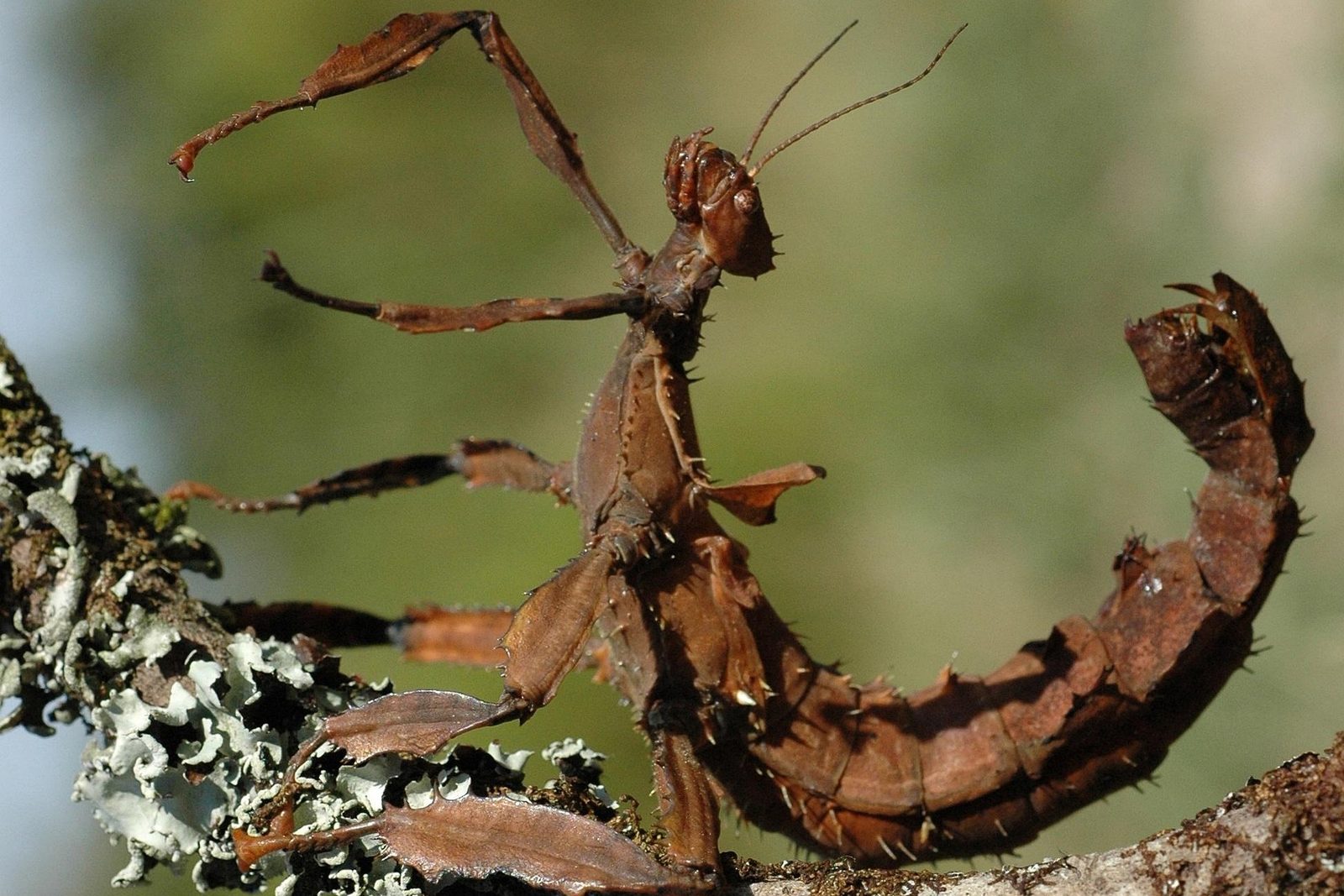
Quick answer: Stick insects are good pets for the right kid. Stick insects (and leaf insects) are amazing camouflage pets — they look exactly like twigs or leaves and move in slow motion.
- 👍 Best for: incredible camouflage — fun to find, allergy-friendly
- 👀 Keep in mind: very fragile — handle with great care
- ⏳ Lifespan: 1–2 years
- 💲 Ongoing cost: about $5–$15/mo (setup & vet extra)
📋 Stick Insect at a glance
Should I get a stick insect?
💚 Why you'll love a stick insect
- Incredible camouflage — fun to find
- Cheap, quiet, and easy
- Allergy-friendly
- Gentle and slow-moving
⚠️ Things to know
- Very fragile — handle with great care
- Need a constant supply of fresh leaves
- Short-lived
- Not interactive or cuddly
The honest answer: Yes for a patient kid who likes finding things, but only if you can pick fresh leaves year-round and give a cage three times the insect's length.
👍 Get one if…
- Your careful child is happy to barely touch
- You have pesticide-free bramble, ivy, or oak nearby
- Your kids love a pet they have to hunt for
- You're glad to hatch and rehome the eggs
👎 Think again if…
- Your leaf supply disappears in winter
- You're reusing a short tank from another pet
- You're not ready for one female laying hundreds of eggs
- Your child's instinct is to grab and carry
✅ Am I ready for a stick insect?
Wanting one and being ready for one are different questions. These are the ones worth answering honestly before you decide — there are no wrong answers, and a "not yet" is a perfectly good result.
Stick insects eat FRESH leaves (like bramble/blackberry) — which you must gather constantly, even in winter. Can your family source leaves year-round?
- We've found a leaf source for all seasons
- Easy in summer, winter unsure
- No idea where to get leaves
If that one gave you pause: Scout your leaf supply with a grown-up BEFORE getting stick insects — bramble stays green in many winters, but you need a pesticide-free patch.
Stick insects are incredibly fragile — legs can break off if pulled. Can you handle them with feather-light gentleness (or not at all)?
- Feather-light or hands-off — promise
- I'll be careful
- I'm clumsy
If that one gave you pause: Learn the trick: never pull a stick insect — let it walk onto your flat hand by itself, or gently move the leaf it's on.
How to care for your Stick Insect
Stick Insect care in depth
A magical, low-cost first bug
Stick insects (and leaf insects) are one of the easiest, cheapest, and most wonder-inducing pets going — they look exactly like twigs or leaves and sway gently as if in a breeze. They're quiet, odorless, and ask very little, which makes them a lovely first "bug" for gentle, careful children. The most common beginner species is the Indian (or "laboratory") stick insect, which is hardy and easy. One bit of homework: in the US, stick insects that aren't native are USDA-regulated — a federal permit is needed to bring one into the country or send it across state lines — so check what's allowed where you live and buy a legal, captive-bred one nearby.
Fresh leaves are the whole diet
Stick insects eat only fresh leaves, and each species has its favorites — bramble (blackberry), ivy, oak, and privet are common staples. You'll need a year-round supply, so make sure you can pick fresh, pesticide-free leaves near you before committing. Stand the cut stems in a jar of water to keep them fresh, but plug the opening (with tissue or foil) so the insects can't fall in and drown, and replace the leaves before they wilt.
A tall cage, humidity, and very gentle handling
Give them a tall enclosure at least three times their body length so they have room to hang and molt (they shed their skin to grow, hanging upside down — a cage that's too short causes deformed molts). A mesh or netted cage works well. Mist lightly daily for humidity and so they can drink droplets. Handle rarely and with great care — their legs are extremely delicate and can break off, so let them walk onto your hand and never pull. They live only about 1–2 years.
Stick insects are living twigs — calm, quiet, and amazing at camouflage. They're inexpensive, easy to care for, and gentle to hold, though most live only about a year.
✅ Before you bring a stick insect home
🗓️ Your routine — easy chores to remember
- Mist lightly so they can drink
- Check the leaves are still fresh
- Replace the food plant with fresh leaves
- Clean out droppings
- Check humidity and ventilation
- Deep-clean the enclosure
- Watch for shedding (don't disturb them)
- Refresh any decor
💰 Monthly cost: Low: a mesh cage and fresh leaves are about all you need.
🤩 Fun facts about your Stick Insect
Some stick insects sway like a twig in the breeze to hide.
❓ Common questions about stick insects
How much does a stick insect cost per month?
Plan on roughly $5–$15 per month for food and supplies. Low: a mesh cage and fresh leaves are about all you need.
Are stick insects good pets for kids?
They can be — stick insects rate 3/5 for kid-friendliness, so they suit gentle, slightly older kids. Coax them onto your hand very gently — never pull, as their legs are delicate.
How long do stick insects live?
Stick insects typically live 1–2 years. Make sure your family is ready for that commitment before bringing one home.
Are stick insects allergy-friendly?
No fur or dander, so allergy-friendly. Wash hands after handling.
Should I get a stick insect?
Yes for a patient kid who likes finding things, but only if you can pick fresh leaves year-round and give a cage three times the insect's length. Get one if: Your careful child is happy to barely touch; You have pesticide-free bramble, ivy, or oak nearby; Your kids love a pet they have to hunt for; You're glad to hatch and rehome the eggs. Think again if: Your leaf supply disappears in winter; You're reusing a short tank from another pet; You're not ready for one female laying hundreds of eggs; Your child's instinct is to grab and carry.
Are stick insects good pets for kids?
Yes, for gentle, supervised children — stick insects are cheap, quiet, odorless, and fascinating, and they only eat fresh leaves. They're very fragile, so handling must be careful and minimal, but they make a lovely, low-effort first bug.
What do stick insects eat?
Only fresh leaves, and the right kind for the species — common staples are bramble (blackberry), ivy, oak, and privet. You need a year-round supply of pesticide-free leaves, kept fresh in water with the opening plugged so the insects can't fall in.
Do stick insects need a big cage?
They need a tall enclosure at least three times their body length so they can hang upside down to molt. A cage that's too short causes deformed molts. Mesh or netted enclosures with climbing branches work best.
How long do stick insects live?
About 1 to 2 years. They're a short-lived, low-cost pet, though many species lay eggs readily, so you may end up raising a next generation.
🎬 Stick Insect care videos
Watch beginner-friendly care videos for your stick insect.
▶ Watch Stick Insect care videos on YouTube📚 Where this comes from
We check our care advice against vets, animal charities, and government health guidance. Here is what this page is built on.
Vets, charities & official guidance
- Invertebrate pets and permits — USDA APHIS
- Insects and mites permits — USDA APHIS
- 7 CFR 330.201, permit requirements — eCFR
Keeper & species-community guides
- Stick Insect caresheet — Amateur Entomologists' Society
- Taking care of stick insects — Keeping Insects
Checked August 2026. These are other people’s websites, and none of it replaces your own vet — if a pet seems unwell, call one.