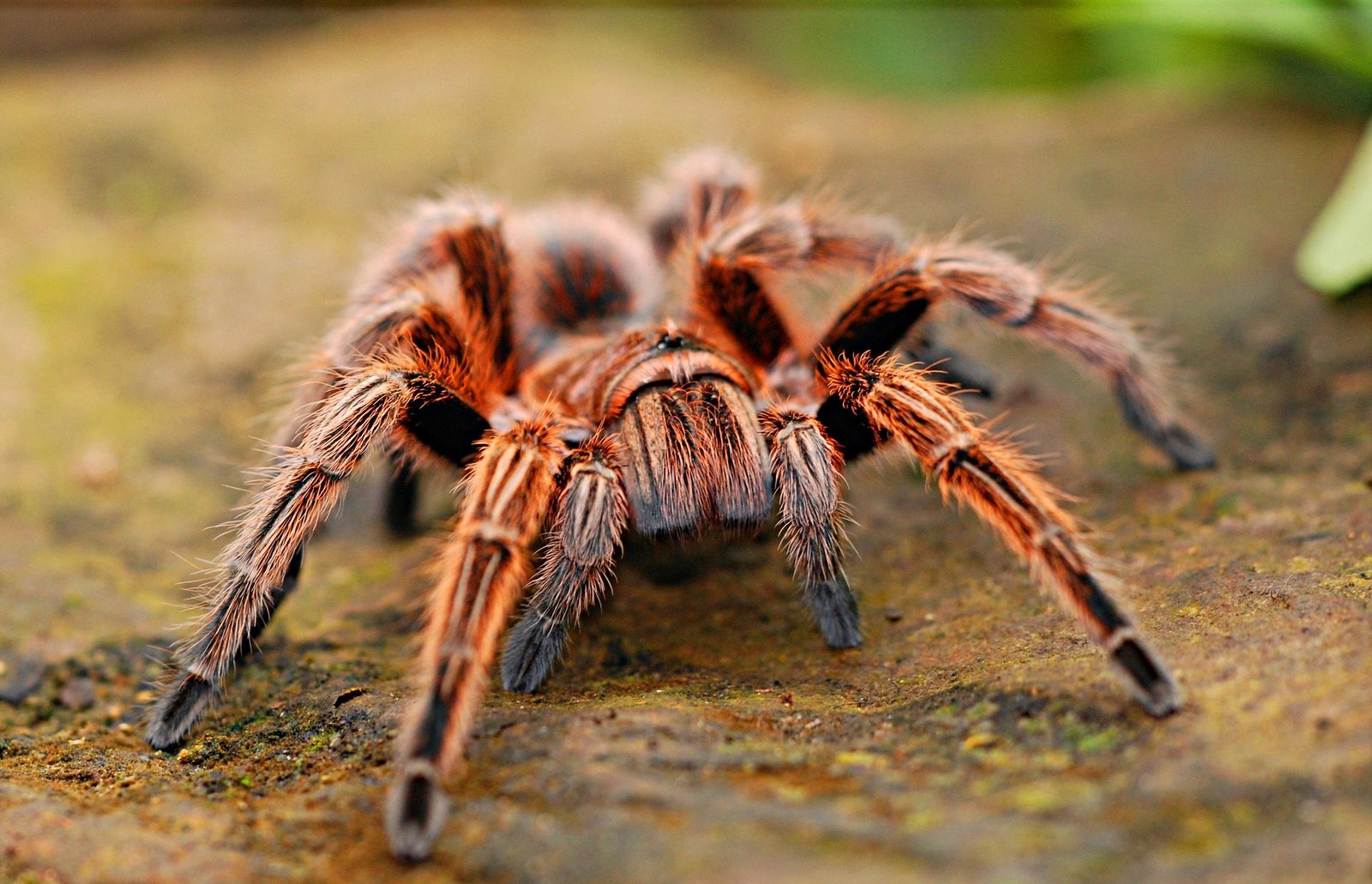
Tarantulas are quiet, clean, and amazingly low-maintenance — a fascinating pet for older kids and careful keepers who love to observe. They're a "look, don't cuddle" pet and an expert-level choice, but they ask very little of you.
Is a tarantula a good pet for kids?
Quick answer: Tarantulas are best for older kids with an adult helping. Tarantulas are quiet, clean, and amazingly low-maintenance — a fascinating pet for older kids and careful keepers who love to observe.
- 👍 Best for: extremely low-maintenance and quiet, cheap to feed (a few insects a week)
- 👀 Keep in mind: a "watch, don't handle" pet
- ⏳ Lifespan: 5–20+ years (females live longest)
- 💲 Ongoing cost: about $8–$20/mo (setup & vet extra)
📋 Tarantula at a glance
Should I get a tarantula?
💚 Why you'll love a tarantula
- Extremely low-maintenance and quiet
- No fur — allergy-friendly
- Cheap to feed (a few insects a week)
- Long-lived and fascinating to watch
⚠️ Things to know
- A "watch, don't handle" pet
- Best for older kids and careful keepers
- Can flick irritating hairs or bite if stressed
- Some people are scared of spiders
The honest answer: Yes for a patient watcher who never needs to hold it — but a female can outlast your child's whole time at home, so plan for that.
👍 Get one if…
- Your older kid is happy to watch, never hold
- You're fine with a twenty-year pet spider
- You travel — it fasts for weeks happily
- You want a pet that asks almost nothing
👎 Think again if…
- This would be a first pet for a child under ten
- You'd be tempted to take it out
- Your small kids would get flicked hairs in their eyes
- You're drawn to fast, defensive Old World species
✅ Am I ready for a tarantula?
Wanting one and being ready for one are different questions. These are the ones worth answering honestly before you decide — there are no wrong answers, and a "not yet" is a perfectly good result.
Tarantulas are watch-only pets — handling stresses them (and a fall can hurt them badly). Truly okay never holding it?
- Yes — it's a tiny tiger to observe, not touch
- Mostly, but I'd be tempted
- I definitely want to hold it
If that one gave you pause: Promise the "glass between us" rule: tarantulas are amazing to watch, but hands stay out of the enclosure.
Dinner is live crickets or roaches. Can you drop a live bug in — and sometimes remove uneaten ones?
- Feeding time sounds awesome
- I could probably manage with tongs
- Nope nope nope
If that one gave you pause: Get long feeding tongs and watch a feeding video first — if it makes you grin, you're spider-keeper material.
How to care for your Tarantula
Tarantula care in depth
A "look, don't hold" pet — and why that's fine
Tarantulas are observation pets, not handling pets. Handling stresses them and, more importantly, a fall from even a short height can rupture their abdomen and kill them — so the safest approach for both of you is to admire them in their enclosure. If threatened, many New World species flick tiny irritating hairs that itch and can hurt eyes, and all can bite — for the docile species beginners keep, that's usually about like a bee sting, painful but not serious. Old World tarantulas are stronger: their venom can set off bad muscle cramps that need a doctor. None of that makes a beginner's tarantula dangerous — it just means they're for careful, hands-off keepers.
Choosing a beginner species and enclosure
Great beginner tarantulas are docile, ground-dwelling New World species like the Chilean rose hair or a curly hair. Avoid fast, defensive Old World species (no irritating hairs, but stronger venom and worse tempers) until you're experienced. Match the enclosure to the type: terrestrial species need floor space and a few inches of substrate to burrow, while arboreal species need height and something to climb. A secure lid and a shallow water dish round it out.
Feeding, molting, and a long life
Tarantulas eat a few appropriately sized insects a week (crickets, roaches) and can fast for surprisingly long stretches — remove uneaten prey so it can't harm the spider. The big thing to understand is molting: your tarantula will flip onto its back and shed its whole exoskeleton to grow. Never disturb or feed a molting tarantula — it's fragile and vulnerable — and wait until the new fangs have darkened and hardened before offering food — about a week for a young spider, one to two weeks for an adult. With good care, females can live an astonishing 15–20+ years.
Tarantulas are quiet, low-cost, and fascinating to watch — but they're a 'look, don't cuddle' pet. Many live a surprisingly long time (females can reach 10–20+ years).
✅ Before you bring a tarantula home
🗓️ Your routine — easy chores to remember
- Quick look to check they're okay
- Make sure the water dish isn't dry
- Feed an appropriately sized insect (young spiders eat more often than adults)
- Remove uneaten prey and droppings
- Check humidity
- Refresh substrate as needed
- Watch for molting (don't disturb them then!)
- Deep-clean the enclosure occasionally
💰 Monthly cost: Low: a small tank and a few insects a week — one of the cheapest pets to keep.
🤩 Fun facts about your Tarantula
Some female tarantulas live more than 20 years — longer than most dogs.
❓ Common questions about tarantulas
How much does a tarantula cost per month?
Plan on roughly $8–$20 per month for food and supplies. Low: a small tank and a few insects a week — one of the cheapest pets to keep.
Are tarantulas good pets for kids?
Tarantulas rate 2/5 for kid-friendliness — they're often more of a watch-and-learn pet for younger children. Observe, don't hold. Handling stresses them and risks a fall (which can hurt them) or a bite.
How long do tarantulas live?
Tarantulas typically live 5–20+ years (females live longest). Make sure your family is ready for that commitment before bringing one home.
Are tarantulas allergy-friendly?
No fur or dander, so allergy-friendly — but some species flick tiny irritating hairs, so they're hands-off.
Should I get a tarantula?
Yes for a patient watcher who never needs to hold it — but a female can outlast your child's whole time at home, so plan for that. Get one if: Your older kid is happy to watch, never hold; You're fine with a twenty-year pet spider; You travel — it fasts for weeks happily; You want a pet that asks almost nothing. Think again if: This would be a first pet for a child under ten; You'd be tempted to take it out; Your small kids would get flicked hairs in their eyes; You're drawn to fast, defensive Old World species.
Are tarantulas good pets for beginners?
Yes, for the right keeper. A docile New World species like the Chilean rose hair is calm, quiet, cheap, and very low-maintenance. Tarantulas are a hands-off, observe-don't-hold pet best suited to older kids and careful adults, not young children.
Can you hold a pet tarantula?
It's best not to. Handling stresses the tarantula, and a fall from even a small height can fatally rupture its abdomen. Many species also flick irritating hairs when threatened. Enjoy a tarantula by watching it in its enclosure.
What do pet tarantulas eat?
A few appropriately sized insects such as crickets or roaches each week, with fresh water in a shallow dish. Tarantulas can go a long time between meals, and you should never feed one that is preparing to molt.
How long do tarantulas live?
It depends on sex — females of many species live 15 to 20 or more years, while males usually live only a couple of years after maturity. A female tarantula can be a surprisingly long-term pet.
🎬 Tarantula care video
A beginner care guide from YouTube. (Community video — always double-check with a vet.)
📚 Where this comes from
We check our care advice against vets, animal charities, and government health guidance. Here is what this page is built on.
Vets, charities & official guidance
- Pet tarantula care — University of Illinois Veterinary Medicine
- Are tarantulas dangerous? — National Capital Poison Center
- Tarantula field guide — Texas A&M AgriLife Extension
Keeper & species-community guides
- Tarantula care — Tree of Life Exotic Pet Medical Center
- Keeping tarantulas: the basics — British Tarantula Society
Checked August 2026. These are other people’s websites, and none of it replaces your own vet — if a pet seems unwell, call one.