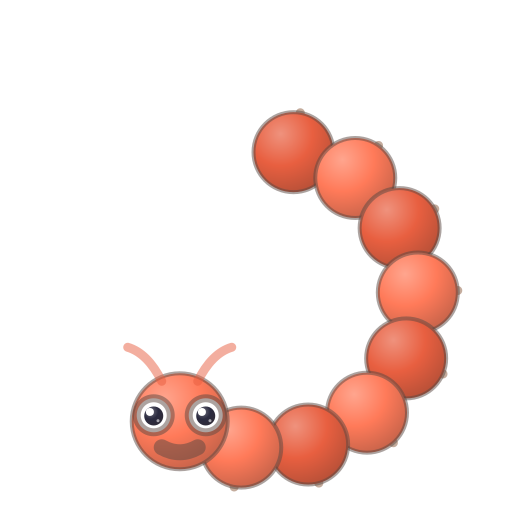
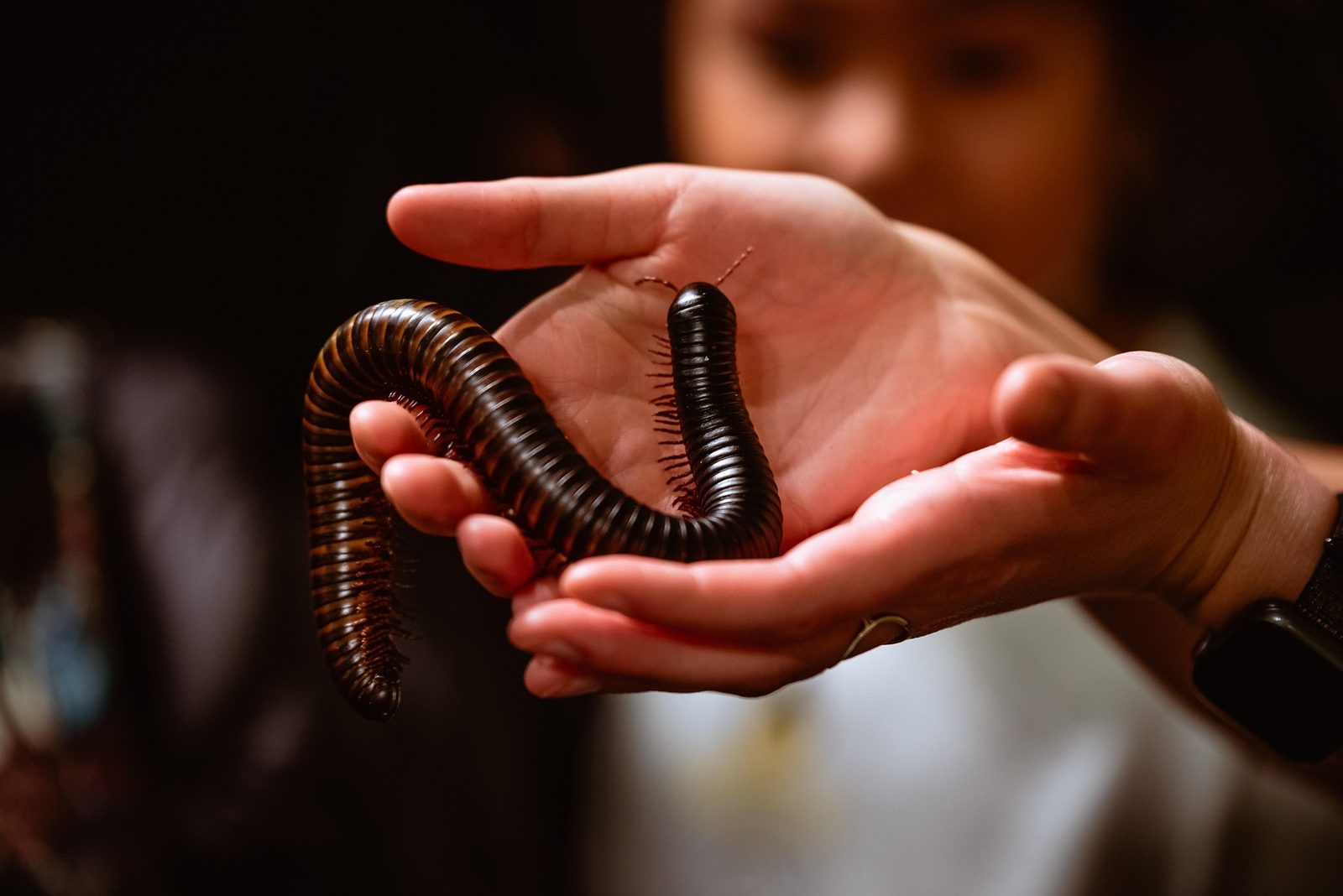
Millipedes — including the popular giant desert and African millipedes — are calm, slow, low-cost pets that gently curl around your fingers. They burrow, munch decaying leaves, and ask very little. A wonderful, low-stress first "bug" for gentle kids (with hand-washing). One quick check before you buy: importing giant millipedes into the US needs a federal permit, so buy from a seller here at home and check your local rules.
Is a millipede a good pet for kids?
Quick answer: Millipedes are good pets for the right kid. Millipedes — including the popular giant desert and African millipedes — are calm, slow, low-cost pets that gently curl around your fingers.
- 👍 Best for: gentle, slow, and easy to handle, allergy-friendly
- 👀 Keep in mind: need a humid tank with deep substrate
- ⏳ Lifespan: 5–10 years
- 💲 Ongoing cost: about $8–$18/mo (setup & vet extra)
📋 Millipede at a glance
Should I get a millipede?
💚 Why you'll love a millipede
- Gentle, slow, and easy to handle
- Very low-maintenance and cheap
- Allergy-friendly
- Long-lived for a bug
⚠️ Things to know
- Need a humid tank with deep substrate
- Curl up and may release a smelly fluid that stains
- Not cuddly or interactive
- Mostly active at night
The honest answer: Yes — one of the calmest pets a gentle child can genuinely hold, provided "wash hands, don't rub your eyes" is a rule nobody skips.
👍 Get one if…
- Your gentle kid wants a bug to hold
- Hands get washed at home without being asked
- You'd rather not meet a fast bug
- You want a bug that lasts most of a decade
👎 Think again if…
- Your child rubs their eyes before washing hands
- You expect a pet that's visible all day
- Your kids would dig one up while it molts
- You'd order a giant species from overseas
✅ Am I ready for a millipede?
Wanting one and being ready for one are different questions. These are the ones worth answering honestly before you decide — there are no wrong answers, and a "not yet" is a perfectly good result.
Millipedes are gentle, slow, and mostly like to burrow and munch. Are you happy with a calm, watchable pet?
- A gentle tank of leaf-munchers — lovely
- Might be too quiet
- I want excitement
If that one gave you pause: Millipedes are the chillest pets around. If you want action, retake the quiz — if calm sounds nice, you'll love them.
They need deep substrate (soil + rotting leaves — yes, their home is also their food!). Can you build and refresh that?
- Collecting leaves and building soil layers — fun!
- I could learn
- Sounds odd
If that one gave you pause: Learn the recipe with a grown-up: coco fiber + hardwood leaf litter + rotting wood (from pesticide-free spots!).
How to care for your Millipede
Millipede care in depth
Humidity and deep substrate are everything
Millipedes are burrowing detritivores, so their whole world is the substrate. Give them a deep layer — at least 4 to 6 inches, and deeper still for a giant species — of moist coconut fiber and topsoil mixed with decaying hardwood leaves and rotting wood, which is both their bedding and their food. Keep it consistently humid (mist as needed) but not waterlogged, with a shallow water dish. A tight-fitting lid holds humidity and keeps these surprising escape artists in.
Feeding and the calcium a big millipede needs
The base of the diet is the rotting leaf litter and wood in the tank, supplemented with soft fruits and vegetables like cucumber, squash, and melon. Giant species grow a hard exoskeleton and need calcium — a cuttlebone or a light calcium dusting on veggies helps them molt properly. Remove uneaten fresh food before it molds, and never disturb a millipede that has burrowed to molt, which is a vulnerable time for it.
Handling gently — and the smelly defensive fluid
Millipedes are calm and safe to handle gently — let one walk across flat hands held low over a soft surface. If stressed, many species curl into a spiral and release a smelly brown defensive fluid. Washed off it does no lasting harm, but it stains skin, can sting, and really hurts if it gets in your eyes, so the rule is simple: always wash your hands afterward and don't rub your eyes first. Note that millipedes (which curl up and never bite) are very different from centipedes (fast and venomous) — pet millipedes are the gentle ones.
Giant millipedes are calm, slow, and gentle — among the easiest 'bug' pets to keep, and some live 5–10 years. They're safe to hold gently and just trundle along.
✅ Before you bring a millipede home
🗓️ Your routine — easy chores to remember
- Mist lightly to keep humidity up
- Check the water dish
- Add fresh veggies or fruit and remove old food
- Check humidity and substrate moisture
- Spot-clean any mold
- Refresh part of the substrate
- Deep-clean as needed
- Check on molting (leave them be then)
💰 Monthly cost: Low: a small tank, substrate, and the millipede itself are inexpensive.
🤩 Fun facts about your Millipede
A big millipede can have more than 300 legs (none truly have a thousand).
❓ Common questions about millipedes
How much does a millipede cost per month?
Plan on roughly $8–$18 per month for food and supplies. Low: a small tank, substrate, and the millipede itself are inexpensive.
Are millipedes good pets for kids?
They can be — millipedes rate 3/5 for kid-friendliness, so they suit gentle, slightly older kids. Let them walk gently over flat hands low to a surface; wash hands afterward.
How long do millipedes live?
Millipedes typically live 5–10 years. Make sure your family is ready for that commitment before bringing one home.
Are millipedes allergy-friendly?
No fur or dander, so allergy-friendly. Always wash hands after handling.
Should I get a millipede?
Yes — one of the calmest pets a gentle child can genuinely hold, provided "wash hands, don't rub your eyes" is a rule nobody skips. Get one if: Your gentle kid wants a bug to hold; Hands get washed at home without being asked; You'd rather not meet a fast bug; You want a bug that lasts most of a decade. Think again if: Your child rubs their eyes before washing hands; You expect a pet that's visible all day; Your kids would dig one up while it molts; You'd order a giant species from overseas.
Are millipedes good pets for kids?
Yes, with supervision — pet millipedes are gentle, slow, low-cost, and safe to handle, which makes them a great first "bug" for calm children. The only rules are gentle handling low over a surface and washing hands afterward, since they can release a smelly fluid that stains skin and hurts if it gets in your eyes.
Do pet millipedes bite or sting?
No. Millipedes don't bite or sting. Their only defense is curling into a spiral and releasing a smelly fluid if stressed. It stains skin and really hurts if it gets in your eyes, so wash your hands after handling and don't rub your eyes first. Centipedes, which are fast and venomous, are a completely different animal.
What do pet millipedes eat?
Mostly decaying hardwood leaves and rotting wood, which double as their bedding, plus soft fruits and vegetables like cucumber and squash. Giant species also need a calcium source, such as a cuttlebone, to molt and build their exoskeleton.
How long do pet millipedes live?
Long for an invertebrate — many giant species live around 5–10 years with the right humid, substrate-rich setup, making them a surprisingly long-term little pet.
🎬 Millipede care videos
Watch beginner-friendly care videos for your millipede.
▶ Watch Millipede care videos on YouTube📚 Where this comes from
We check our care advice against vets, animal charities, and government health guidance. Here is what this page is built on.
Vets, charities & official guidance
- Millipedes (HYG-2067) — Ohio State University Extension
- What's eating you? Millipede burns — Cutis, via PubMed
- Invertebrate pets and permits — USDA APHIS
Keeper & species-community guides
Checked August 2026. These are other people’s websites, and none of it replaces your own vet — if a pet seems unwell, call one.