An ant farm is the classic watch-it-happen pet: a see-through home where a colony digs tunnels, builds nurseries, and works together like a tiny city. The honest secret is the queen — a workers-only kit lasts weeks to months, while a real queen-led colony can thrive for 5–15 years and grow from a test tube into a bustling metropolis. Either way, it's the cheapest window into animal teamwork there is.
Is an ant farm a good pet for kids?
Quick answer: Ants are great pets for most kids. An ant farm is the classic watch-it-happen pet: a see-through home where a colony digs tunnels, builds nurseries, and works together like a tiny city.
- 👍 Best for: watch teamwork, tunnels, and a real working city, awake and busy in the daytime
- 👀 Keep in mind: strictly watch-only — never a holding pet
- ⏳ Lifespan: 5–15 years (a queen-led colony)
- 💲 Ongoing cost: about $2–$8/mo (setup & vet extra)
📋 Ant Farm at a glance
Should I get an ant colony?
💚 Why you'll love an ant colony
- Watch teamwork, tunnels, and a real working city
- A queen colony lasts for many years
- Awake and busy in the daytime
- Costs almost nothing to feed and run
⚠️ Things to know
- Strictly watch-only — never a holding pet
- Kits without a queen only last weeks to months
- Escapes are a real risk without a good lid
- Queens can't be mail-ordered across state lines (US)
The honest answer: Yes, but buy a queen, not a toy — a workers-only gel farm dies in weeks, while a real queen keeps a colony going for a decade.
👍 Get one if…
- Your kids want a pet awake in daylight
- You're willing to catch or buy a real queen
- You find teamwork more interesting than cuddling
- You want a decade-long pet for pennies
👎 Think again if…
- You expect a boxed gel kit to last
- Your child needs to touch their pet
- Your kids would lose interest before the first tunnel
- You'd start little kids on stinging harvester ants
✅ Am I ready for an ant colony?
Wanting one and being ready for one are different questions. These are the ones worth answering honestly before you decide — there are no wrong answers, and a "not yet" is a perfectly good result.
Honest question first: a kit without a queen only lasts weeks to months. A queen colony lasts years. Which are you planning?
- A queen colony — the real thing
- A kit first, maybe a queen later
- Wait, kits don't last?
If that one gave you pause: Workers can't replace themselves, so every kit winds down. If you want a lasting pet, plan the queen route: catch one locally or buy in-state.
A new queen must sit in a dark, quiet test tube for WEEKS — no peeking. Could you honestly leave her alone?
- Yes — patience is part of the project
- I'd peek once or twice…
- I'd check on her every day
If that one gave you pause: Every peek stresses a founding queen. Put the tube in a drawer, mark a calendar date three weeks out, and don't open the drawer.
How to care for your Ant Farm
Ant Farm care in depth
The queen is the whole story
Here's the honest truth every ant-farm ad skips: without a queen, an ant farm is temporary. Worker ants can't lay worker eggs, so a classic mail-order kit — which legally ships workers only in the US — winds down in weeks to a few months as the workers age. A queen-led colony is a different pet entirely: she can live and lay for 5–15 years (record-holders have passed 25), and her colony grows from a handful of ants in a test tube into a true city. You can get a queen by catching one locally after a mating flight — a warm evening adventure in itself — or buying from an in-state seller, since USDA rules don't allow queens to cross state lines by mail.
From test tube to tiny metropolis
A new queen doesn't need a fancy farm — she starts in a test tube with water behind a cotton plug, where she raises her first tiny workers herself. Once there are a couple dozen ants, you connect them to a formicarium (the see-through nest) with an outworld — an open feeding area where foragers hunt for food and haul it home. Paint the outworld's rim with a slippery escape barrier, keep the nest out of direct sun (a sealed clear box can overheat fast), and resist the urge to tap the glass: a calm colony builds; a stressed one hides.
What a colony eats — and what you'll see
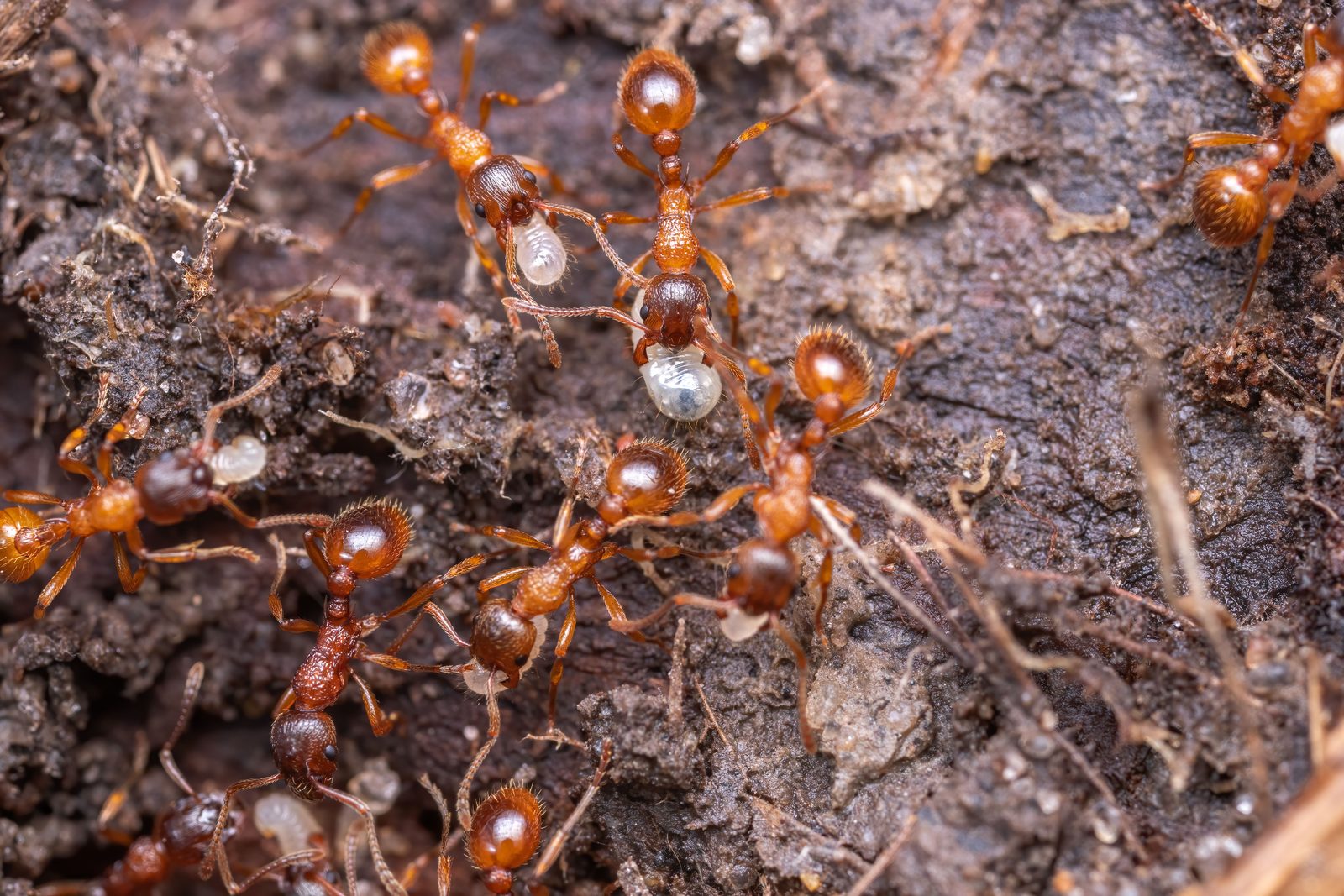
Feeding an ant colony costs almost nothing: sugar water or a drop of honey water for energy, and tiny bits of insects (a pre-killed mealworm or cricket piece) for the protein the larvae need. What you get back is the show: trail-making as scouts lay scent paths, teamwork as workers carry loads many times their size, and the nursery, where ants sort eggs, larvae, and cocoons into rooms like a hospital. Popular starter species include the gentle black garden ant and big carpenter ants; the classic kit species, the harvester ant, is fascinating too but can give a real sting, so it's for watching only.
An ant farm is a watch-only pet: a see-through colony that digs, builds, and works as a team. A workers-only kit lasts weeks to months; a queen-led colony can last 5–15 years.
✅ Before you bring an ant colony home
🗓️ Your routine — easy chores to remember
- A no-tapping look at what the colony is up to
- Offer sugar water and a tiny protein snack
- Remove leftovers
- Check the water supply
- Clean the outworld
- Check the escape barrier
- Watch how the brood is growing
💰 Monthly cost: Tiny: a habitat, a starter colony or captured queen, and pennies of food — sugar water and the odd insect.
🤩 Fun facts about your Ant Farm
A black garden ant queen once lived almost 29 years — the record for any insect.
❓ Common questions about ants
How much does an ant colony cost per month?
Plan on roughly $2–$8 per month for food and supplies. Tiny: a habitat, a starter colony or captured queen, and pennies of food — sugar water and the odd insect.
Are ants good pets for kids?
Yes! Ants rate 4/5 for kid-friendliness. Watch, don't touch — ants are delicate, some can pinch or sting, and the colony does best undisturbed.
How long do ants live?
Ants typically live 5–15 years (a queen-led colony). Make sure your family is ready for that commitment before bringing one home.
Are ants allergy-friendly?
No fur or dander — an ant farm is a great allergy-friendly pet. It's strictly hands-off either way.
Should I get an ant colony?
Yes, but buy a queen, not a toy — a workers-only gel farm dies in weeks, while a real queen keeps a colony going for a decade. Get one if: Your kids want a pet awake in daylight; You're willing to catch or buy a real queen; You find teamwork more interesting than cuddling; You want a decade-long pet for pennies. Think again if: You expect a boxed gel kit to last; Your child needs to touch their pet; Your kids would lose interest before the first tunnel; You'd start little kids on stinging harvester ants.
Does an ant farm need a queen?
To last, yes. Workers-only kits wind down in weeks to months because workers can't replace themselves. A queen-led colony renews itself and can live 5–15 years. In the US, queens can't be shipped across state lines, so you catch one locally or buy in-state.
Do harvester ants sting?
Yes — the harvester ants in classic kits can give a genuinely painful sting, so they're strictly a watch-only pet. Gentler choices for a first colony include black garden ants and carpenter ants, but the watch-only rule is the same for every ant farm.
What do pet ants eat?
Two things: sugars and protein. A few drops of sugar water or honey water fuel the workers, and tiny bits of pre-killed insects feed the growing larvae. A small colony eats less in a week than you'd spill making a sandwich.
How long does an ant farm last?
A workers-only kit: weeks to a few months. A queen-led colony: many years — 5 to 15 is normal for common species, and some queens have lived far longer. The queen is the difference.
🎬 Ant Farm care videos
Watch beginner-friendly care videos for your ant colony.
▶ Watch Ant Farm care videos on YouTube📚 Where this comes from
We check our care advice against vets, animal charities, and government health guidance. Here is what this page is built on.
Vets, charities & official guidance
- Invertebrate pets and permits — USDA APHIS
- Ants — UC Statewide IPM Program
- Red harvester ant — Texas A&M AgriLife Extension
- Carpenter ants — University of Maine Cooperative Extension
Keeper & species-community guides
Checked August 2026. These are other people’s websites, and none of it replaces your own vet — if a pet seems unwell, call one.