🦎 Beginner Reptiles: Leopard Gecko vs. Bearded Dragon
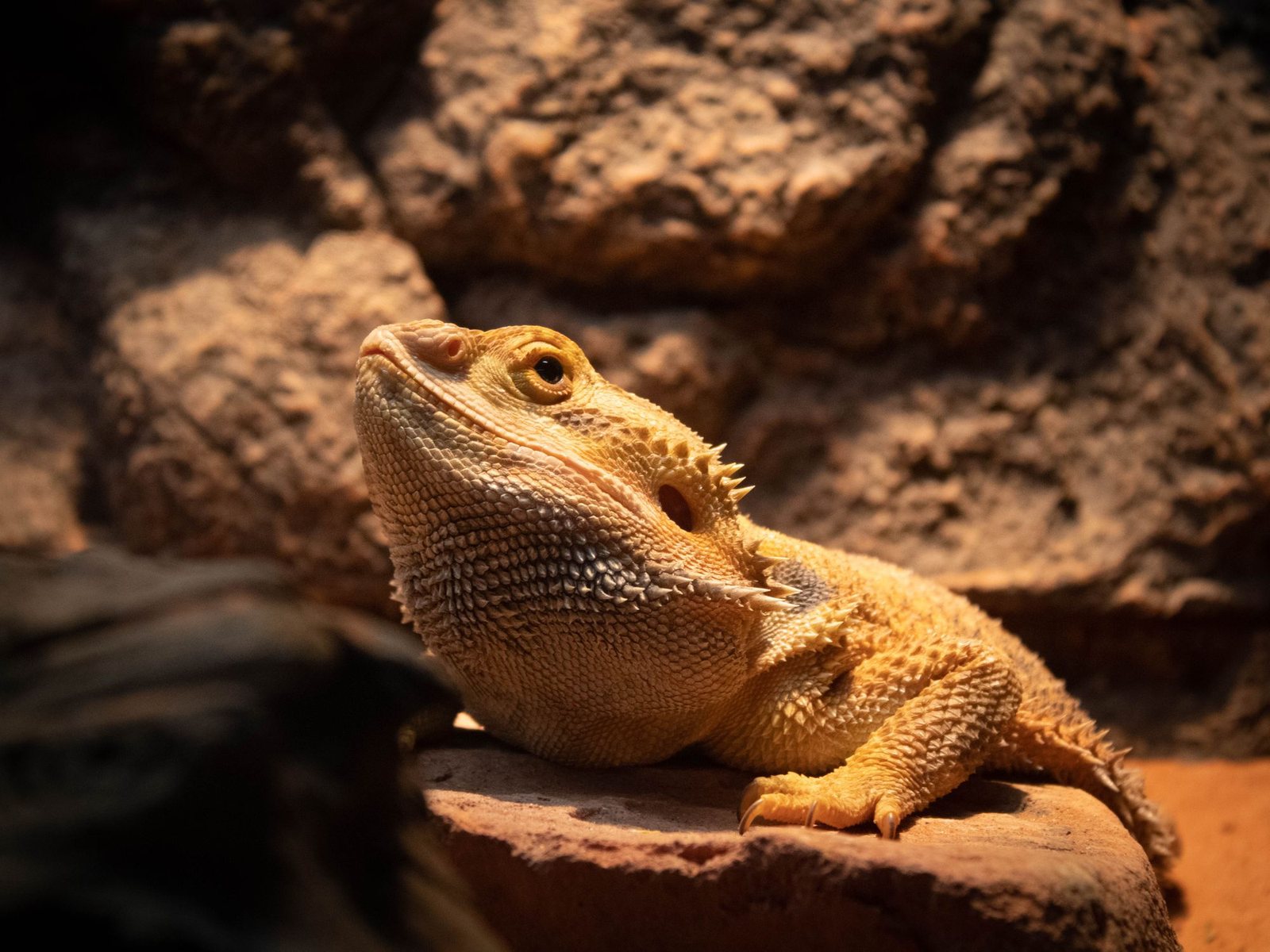
The best beginner reptiles are the leopard gecko and the bearded dragon, along with a corn snake or ball python and the blue-tongued skink. These reptiles are calm, hardy, and forgiving of small mistakes, which makes them wonderful first pets for families ready to learn. Below we compare the two most popular starters, walk through the care basics every beginner reptile shares, and point out a few pets to skip until you have more experience.
Leopard gecko vs. bearded dragon
This is the classic beginner question, and the good news is that both are great choices. The right one depends on your space, your budget, and how hands-on you want to be.
The leopard gecko is the smaller and simpler of the two. An adult is happy in a 20-gallon long tank, and bigger is better — geckos use every inch of floor space you give them. Leopard geckos are nocturnal, so they are most active in the evening. They eat insects like crickets and mealworms, and their setup is generally cheaper and easier to put together. Pick a leopard gecko if you want a low-key, easygoing reptile that does not take up much room.
The bearded dragon is bigger and needs more equipment. A single adult needs a big enclosure: 4x2x2 ft (about 120 x 60 x 60cm) is the size to aim for, along with strong UVB lighting and a hot basking spot. A 40-gallon breeder is the bare minimum and is fine while a dragon is growing, but plan and budget for the full-size home from the start. Beardies are omnivores, which means they eat both insects and leafy vegetables. They are also very interactive and often seem to enjoy being handled, which makes them a favorite for families who want a reptile with real personality. The trade-off is a larger enclosure and a bit more cost and daily effort.
Care basics every beginner reptile shares
No matter which reptile you choose, a handful of rules keep them healthy and happy.
- The correct enclosure size: Reptiles need room to move and explore. Choose the right tank size for your species, and remember that a young, growing reptile will eventually need an upgrade to a bigger home.
- A heat gradient: Reptiles are cold-blooded, so they warm up and cool down by moving around their tank. Set up a warm basking side and a cooler side, and run every heat mat and heat lamp through a thermostat — that is the safety switch that stops it getting too hot, and it is not optional. Fit a mesh guard around any hot bulb so your reptile cannot touch it, and check the temperature at both ends every day with a thermometer. Guessing is the most common way beginners get heat wrong.
- UVB light where needed: Bearded dragons and blue-tongued skinks need UVB lighting to stay healthy and build strong bones. Leopard geckos and snakes have simpler lighting needs, though a little gentle UVB can still help them.
- The right diet: Feed what your species actually eats, whether that is insects, vegetables, or, for snakes, appropriately sized frozen-then-thawed rodents. Dust feeder insects with a calcium supplement to keep bones strong.
- Fresh water: Provide clean water in a sturdy dish and refresh it regularly.
An important hygiene note about salmonella
Here is a fact every reptile family should know: reptiles commonly carry salmonella bacteria on their skin, even when they look perfectly healthy. The good news is that staying safe is easy. Always wash your hands well with soap and warm water after you handle your reptile or anything inside its tank, and keep tank supplies away from where food is prepared. Because young children are more likely to get sick and are less careful about washing up, reptiles are not recommended by the CDC for homes with kids under 5.
What to avoid as a beginner
A few reptiles look tempting in the store but make a poor first pet. Save these for when you have more experience:
- Green iguanas: They start out small and cute but grow into large, powerful lizards that need a huge custom enclosure and expert care.
- Chameleons: They are delicate, easily stressed, and have very specific needs that are hard to get right.
- Large or venomous snakes: Big constrictors and any venomous species are simply not safe or practical for beginners or families.
Start with one of the friendly picks above, learn the daily routine, and you will quickly build the confidence to care for your reptile well.
Ready to keep exploring? Compare more ideas in our guides to the best pets for kids and low-maintenance pets, or take our free pet quiz to find your perfect match.
🛒 Recommended supplies
Hand-picked gear for this guide. Affiliate links — we may earn a commission. The $/$$/$$$ badges are a rough budget guide, not live prices.
❓ Common questions
What is the easiest reptile for beginners?
The leopard gecko is often called the easiest reptile for beginners. It stays small, lives comfortably in a 20-gallon long tank or bigger, eats simple insects like crickets and mealworms, and has an easygoing, hardy nature that forgives small mistakes while you learn.
Is a leopard gecko or bearded dragon better for beginners?
Both are excellent. Choose a leopard gecko if you want something smaller, cheaper, and simpler that is active in the evening. Choose a bearded dragon if you want a bigger, very interactive lizard that enjoys handling and have room for a proper enclosure with UVB and a basking spot — a 40-gallon breeder is the bare minimum, and 4x2x2 ft is much better.
Do pet reptiles carry salmonella?
Yes. Reptiles commonly carry salmonella bacteria on their skin even when they look healthy. Wash your hands with soap and water after handling your reptile or its tank items, and keep tank supplies away from food areas. For this reason, reptiles are not recommended for homes with children under 5.
What size tank does a beginner reptile need?
It depends on the species. A leopard gecko does well in a 20-gallon long tank or bigger, while a single bearded dragon needs a 40-gallon breeder as a bare minimum and does much better in a 4x2x2 ft enclosure. Whatever you pick, provide a warm side and a cooler side, run the heat source on a thermostat, and check both ends with a thermometer.
Which reptiles should beginners avoid?
Avoid green iguanas, which grow very large and need expert care, and chameleons, which are delicate and hard to keep. Also avoid large constrictor snakes and any venomous species, since they are not safe or practical for beginners or families.
Do all beginner reptiles need UVB lighting?
Not all, but many do. Bearded dragons and blue-tongued skinks need UVB to stay healthy and build strong bones. Leopard geckos and snakes have simpler lighting needs, though a little gentle UVB can still be beneficial for them.