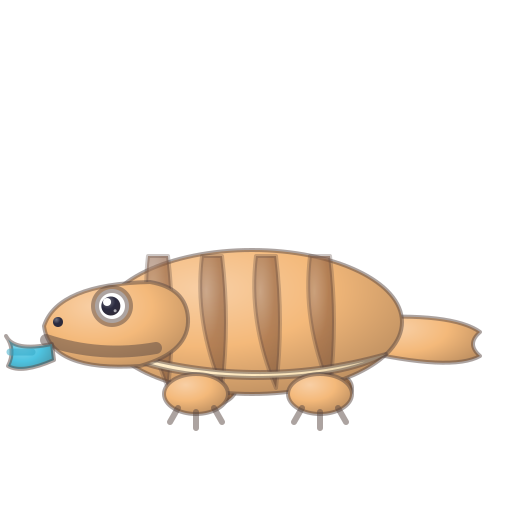
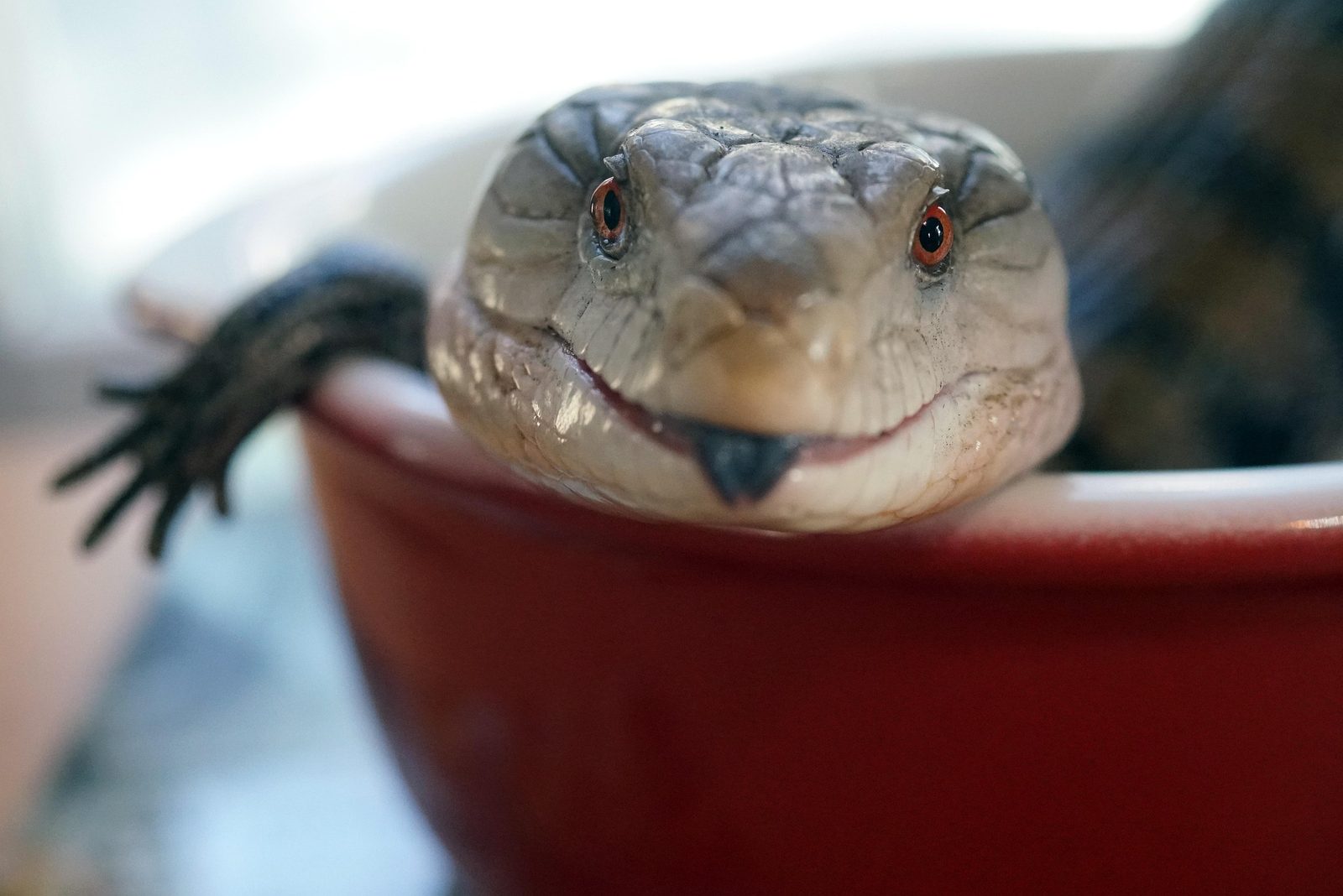
Blue-tongued skinks are calm, curious, and famously easy to tame — almost dog-like. They have stubby legs and a chunky body, enjoy gentle handling, and eat a varied diet. With a proper setup they're one of the friendliest pet lizards around.
Is a blue-tongued skink a good pet for kids?
Quick answer: Blue-tongued skinks are great pets for most kids. Blue-tongued skinks are calm, curious, and famously easy to tame — almost dog-like.
- 👍 Best for: calm and easy to tame, allergy-friendly
- 👀 Keep in mind: need a long tank with UVB and heat
- ⏳ Lifespan: 15–20 years
- 💲 Ongoing cost: about $25–$50/mo (setup & vet extra)
📋 Blue-Tongued Skink at a glance
Should I get a blue-tongued skink?
💚 Why you'll love a blue-tongued skink
- Calm and easy to tame
- Enjoy gentle handling
- Allergy-friendly
- Long-lived with loads of personality
⚠️ Things to know
- Need a long tank with UVB and heat
- Eat a varied mixed diet
- Setup costs add up
- Live 15–20 years
The honest answer: The most genuinely handleable lizard on this list — yes, if you can give four feet of floor space for the next twenty years.
👍 Get one if…
- Your kid really wants to hold their lizard
- You can spare four feet of floor
- Your ten-year-old's pet will move out with them
👎 Think again if…
- You have under-fives, however dog-tame the skink acts
- You're picturing a tank that fits on a shelf
- You're planning to feed mostly tinned dog food
✅ Am I ready for a blue-tongued skink?
Wanting one and being ready for one are different questions. These are the ones worth answering honestly before you decide — there are no wrong answers, and a "not yet" is a perfectly good result.
Blue-tongued skinks are big lizards needing a LONG enclosure (4 feet / 120 cm+). Got that kind of space?
- Yes — we've measured a spot
- Space is tight
- Not really
If that one gave you pause: Measure with a grown-up: an adult bluey needs an enclosure about the size of a bathtub. Plan the furniture first!
Skinks eat a mixed menu: veggies, protein (even dog food!), fruit, and the occasional snail. Can you be a varied-diet chef?
- Mixing skink meals sounds fun
- I could learn
- Sounds complicated
If that one gave you pause: Print a bluey diet chart with a grown-up — variety is the secret to a healthy skink.
How to care for your Blue-Tongued Skink
Blue-Tongued Skink care in depth
One of the friendliest, most handleable lizards
Blue-tongued skinks stand out among reptiles for being calm, curious, and genuinely tameable — many owners describe them as almost dog-like. Their chunky bodies and short legs make them slow and easy to hold, and with regular gentle handling most settle into being carried around happily. If you want a lizard you can actually interact with (rather than only observe), the blue-tongue is one of the best choices, which is why it's such a popular beginner-to-intermediate reptile.
Floor space, UVB, and heat
Skinks are ground-dwellers, so what matters is floor space, not height — an adult needs a long enclosure (think 4 feet or more), not a tall one. Provide UVB lighting, a warm basking spot around 95–100°F with a cooler end, hides at both ends, and a substrate they can burrow into. As with all reptiles, get the temperatures and UVB right to keep them healthy, and wash hands after handling, since reptiles can carry salmonella.
An omnivore's varied diet
One of the skink's charms is its varied, easy diet: they're omnivores that eat a mix of leafy greens and vegetables plus protein like insects, and even a little high-quality wet dog food. Variety and the right calcium balance keep them healthy, and it's easy to overfeed a food-motivated skink, so watch their weight. Get the setup and diet right and a blue-tongue is a rewarding, interactive companion that lives a long time — around 15–20 years.
Blue-tongued skinks are calm, friendly lizards that often enjoy gentle handling — a great larger reptile for families. They live 15–20 years, so they're a long-term buddy.
✅ Before you bring a blue-tongued skink home
🗓️ Your routine — easy chores to remember
- Check basking and cool-side temperatures
- Fresh water
- Feed younger skinks (adults eat less often)
- Spot-clean and wipe the glass
- Offer a varied meal
- Check shedding and behavior
- Full tank clean
- Replace UVB bulb every 6–12 months
- Reptile-vet check-up yearly
💰 Monthly cost: Medium–higher: a big tank, UVB, and heat are the main costs.
🤩 Fun facts about your Blue-Tongued Skink
Blue-tongued skinks stick out a bright blue tongue to startle predators.
❓ Common questions about blue-tongued skinks
How much does a blue-tongued skink cost per month?
Plan on roughly $25–$50 per month for food and supplies. Medium–higher: a big tank, UVB, and heat are the main costs.
Are blue-tongued skinks good pets for kids?
Yes! Blue-tongued skinks rate 4/5 for kid-friendliness. Support the body; most skinks tame down and happily ride along on your hand.
How long do blue-tongued skinks live?
Blue-tongued skinks typically live 15–20 years. Make sure your family is ready for that commitment before bringing one home.
Are blue-tongued skinks allergy-friendly?
No fur or dander, so allergy-friendly. Wash hands — reptiles can carry salmonella.
Should I get a blue-tongued skink?
The most genuinely handleable lizard on this list — yes, if you can give four feet of floor space for the next twenty years. Get one if: Your kid really wants to hold their lizard; You can spare four feet of floor; Your ten-year-old's pet will move out with them. Think again if: You have under-fives, however dog-tame the skink acts; You're picturing a tank that fits on a shelf; You're planning to feed mostly tinned dog food.
Are blue-tongued skinks good pets?
Yes — they're among the calmest, most handleable lizards, often described as almost dog-like, which makes them a great interactive reptile for beginner-to-intermediate keepers. They need a long enclosure with UVB and heat, a varied omnivore diet, and live 15–20 years.
What do blue-tongued skinks eat?
They're omnivores that eat a varied mix of leafy greens and vegetables plus protein such as insects, with a little quality wet dog food as an option. Variety and correct calcium matter, and it's easy to overfeed them, so watch their weight.
What size tank does a blue-tongue skink need?
Floor space matters more than height — an adult needs a long enclosure, commonly around 4 feet or more, with UVB, a warm basking spot, hides, and a substrate they can burrow into.
Do blue-tongued skinks like to be held?
Most tolerate and even seem to enjoy gentle handling once tamed. Support the body, keep sessions calm, and handle regularly from a young age, and many skinks become relaxed, easy-to-hold pets.
🎬 Blue-Tongued Skink care videos
Watch beginner-friendly care videos for your blue-tongued skink.
▶ Watch Blue-Tongued Skink care videos on YouTube📚 Where this comes from
We check our care advice against vets, animal charities, and government health guidance. Here is what this page is built on.
Vets, charities & official guidance
- Blue-tongue skink care — RSPCA Australia Knowledgebase
- Northern blue-tongued skink information sheet — LafeberVet
- Reptiles and amphibians, Healthy Pets Healthy People — CDC
Keeper & species-community guides
Checked August 2026. These are other people’s websites, and none of it replaces your own vet — if a pet seems unwell, call one.