Isopods — the fancy cousins of the backyard rolly-polly — are one of the cheapest, easiest pets there is, and collecting the colorful kinds (orange, zebra-striped, even "rubber ducky") has become a real hobby. They live in a shoebox-sized bin, eat fallen leaves and veggie scraps, can't bite or sting, and quietly multiply into a busy little colony you can watch and gently hold.
Is an isopods a good pet for kids?
Quick answer: Isopods are great pets for most kids. Isopods — the fancy cousins of the backyard rolly-polly — are one of the cheapest, easiest pets there is, and collecting the colorful kinds (orange, zebra-striped, even "rubber ducky") has become a real hobby.
- 👍 Best for: one of the cheapest pets you can keep, colorful collector types like Zebra and Rubber Ducky
- 👀 Keep in mind: not a cuddly pet — more watch than hold
- ⏳ Lifespan: 1–3 years (the colony renews itself)
- 💲 Ongoing cost: about $3–$10/mo (setup & vet extra)
📋 Isopods at a glance
Should I get an isopod colony?
💚 Why you'll love an isopod colony
- One of the cheapest pets you can keep
- Totally harmless — no bites, no stings
- Colorful collector types like Zebra and Rubber Ducky
- The colony renews itself year after year
⚠️ Things to know
- Not a cuddly pet — more watch than hold
- Most active at night
- Individual isopods only live a few years
- Easy to over-wet or dry out the bin
The honest answer: Yes — about as close to a no-fail pet as this site gets, but it's a colony you watch and mist, not an animal that knows you.
👍 Get one if…
- You're spending pocket money, not a monthly budget
- Your kids would rather run a colony than keep one pet
- Your pet care has to fit into five minutes a week
- You're hoping to postpone a first pet goodbye
👎 Think again if…
- You want one animal to name and bond with
- Your kids need a pet that knows them
- You can't keep one corner of the bin damp
- You'd pay Rubber Ducky prices for a first culture
✅ Am I ready for an isopod colony?
Wanting one and being ready for one are different questions. These are the ones worth answering honestly before you decide — there are no wrong answers, and a "not yet" is a perfectly good result.
Isopods are a colony in a bin — a herd of tiny rolly-pollies, not one pet with a name. Does that still sound fun?
- Yes — a whole tiny herd is the fun part
- Maybe — I wanted one special pet
- I really want a pet that knows me
If that one gave you pause: If you want a pet that bonds with you, isopods will disappoint. Try our quiz with the cuddle question turned up — and keep isopods as a fun extra colony later.
Isopods breathe with gills, so one corner of their bin must always stay damp. Could you check it every day or two?
- Easy — mist the damp corner, done
- I'd remember most of the time
- I'd probably forget for weeks
If that one gave you pause: Set a twice-a-week phone reminder labeled "mist the bin." A dried-out bin is the #1 way isopod colonies fail.
How to care for your Isopods
Isopods care in depth
A pocket herd of tiny armored crustaceans
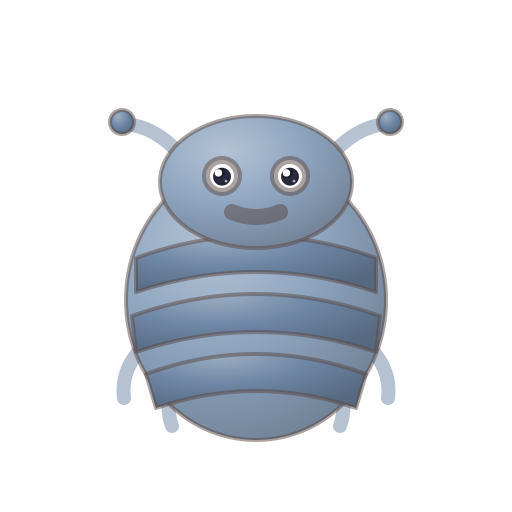
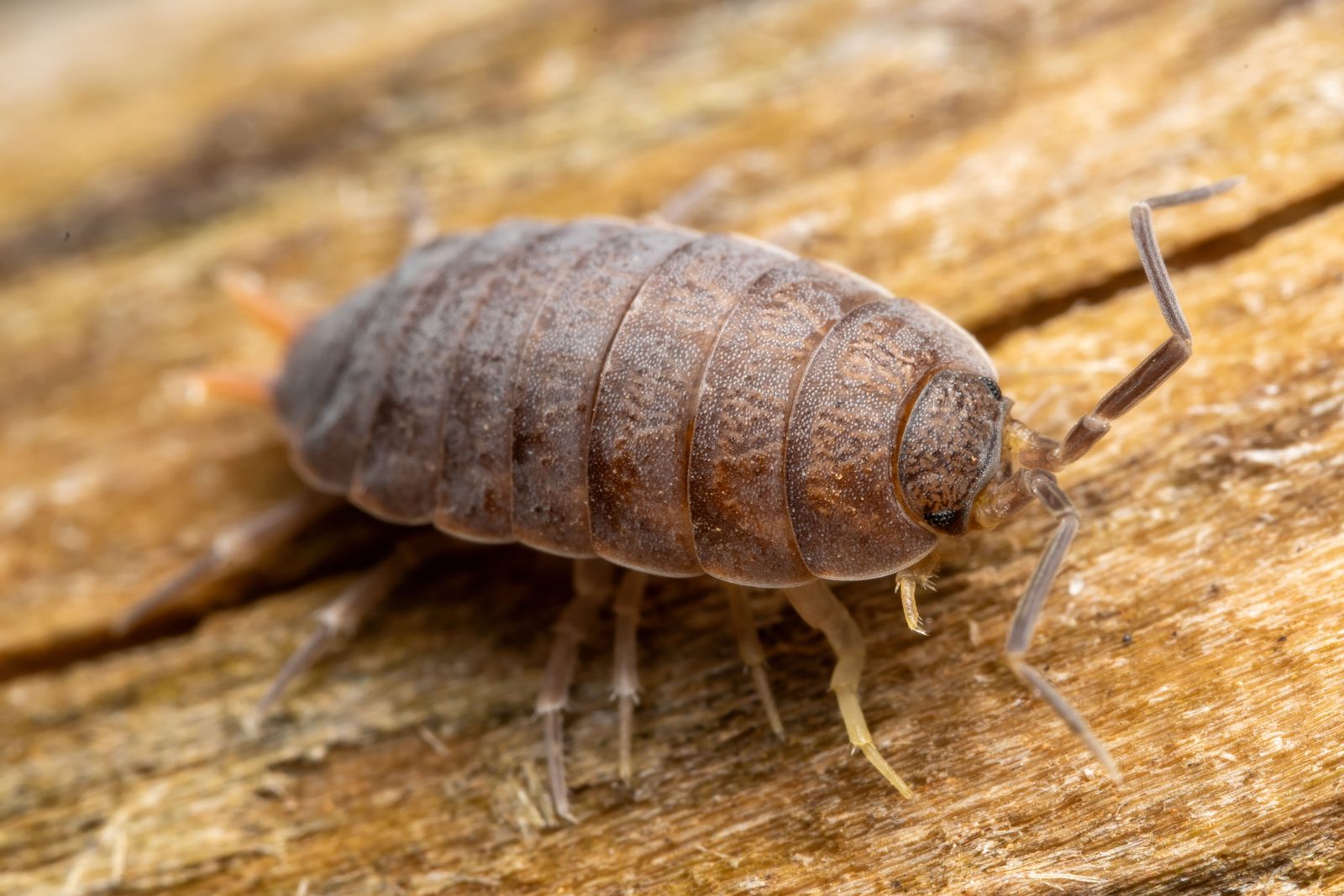
Here's the surprise that hooks everyone: isopods — pill bugs, rolly-pollies, woodlice — aren't insects. They're crustaceans, related to crabs and shrimp, and they still breathe through gill-like organs, which is why they always need a damp corner to visit. You don't keep one isopod; you keep a colony — a busy little herd that eats, digs, molts (in two halves, back first!), and slowly grows in number. Kids who love watching an ant hill or a tide pool tend to love an isopod bin, and unlike almost every other pet, the colony renews itself: individuals live a year or three, but a happy bin just keeps going.
The easiest habitat in the hobby
An isopod home is a plastic bin or small tank with air holes, a few inches of coco fiber or organic soil, and a layer of dead leaves and rotting wood — which isn't just decoration, it's their main food. The one real rule is the moisture gradient: keep one side of the bin damp (mist it) and the other side drier, so the isopods can choose. Add cork bark or an egg carton to hide under, toss in a small piece of vegetable once or twice a week and a bit of calcium (cuttlebone works) for strong shells, and that's genuinely the whole job — a few minutes a week.
From backyard bugs to "rubber duckies"
You can start an isopod colony two ways. The free way: collect common pill bugs from under a log in your own yard — they're hardy and completely fine to keep. The collector way: buy a starter culture of a fancy species, like the bright-orange Powder Orange, the striped Zebra, the spotted Dairy Cow, or the famous Rubber Ducky isopod, which really does look like a tiny yellow duck face and can cost a surprising amount per bug. Many keepers also put isopods to work as a "cleanup crew" inside reptile and plant terrariums, where they tidy up waste — a pet that's also a janitor.
Isopods are a colony pet — a whole little herd of armored rolly-pollies in a bin. They're one of the cheapest, easiest pets there is, and a happy colony renews itself for years.
✅ Before you bring an isopod colony home
🗓️ Your routine — easy chores to remember
- A quick peek that the damp corner is still damp
- Mist the damp side
- Offer a small veggie piece and remove old food
- Top up leaf litter
- Refresh some substrate
- Check the calcium supply
- Watch how the colony is growing
💰 Monthly cost: Tiny: a plastic bin, coco fiber, leaf litter, and a starter colony — the cheapest setup on this whole site.
🤩 Fun facts about your Isopods
Isopods aren't insects — they're land crustaceans that breathe through gills, like tiny crabs that moved ashore.
❓ Common questions about isopods
How much does an isopod colony cost per month?
Plan on roughly $3–$10 per month for food and supplies. Tiny: a plastic bin, coco fiber, leaf litter, and a starter colony — the cheapest setup on this whole site.
Are isopods good pets for kids?
Yes! Isopods rate 4/5 for kid-friendliness. Gentle, brief handling is fine — let them walk over your hand, then return them to the bin and wash your hands.
How long do isopods live?
Isopods typically live 1–3 years (the colony renews itself). Make sure your family is ready for that commitment before bringing one home.
Are isopods allergy-friendly?
No fur, feathers, or dander — isopods are a great choice for allergy-sensitive families.
Should I get an isopod colony?
Yes — about as close to a no-fail pet as this site gets, but it's a colony you watch and mist, not an animal that knows you. Get one if: You're spending pocket money, not a monthly budget; Your kids would rather run a colony than keep one pet; Your pet care has to fit into five minutes a week; You're hoping to postpone a first pet goodbye. Think again if: You want one animal to name and bond with; Your kids need a pet that knows them; You can't keep one corner of the bin damp; You'd pay Rubber Ducky prices for a first culture.
Are isopods good pets for kids?
Yes — they're one of the easiest, cheapest, safest starter pets around. They can't bite or sting, they're fine to hold gently, and a bin takes minutes a week to care for. The trade-off is that they're a watch-and-explore pet, not a cuddly one.
Do isopods bite or sting?
No. Isopods have no sting and can't hurt you — the most dramatic thing many species do is roll into a little armored ball when startled. Just wash your hands after handling, like with any small pet.
What do pet isopods eat?
Mostly dead leaves and rotting wood, which double as their bedding. Add small pieces of vegetables, an occasional pinch of fish food for protein, and a calcium source like cuttlebone so their shells stay strong.
How many isopods do I need to start a colony?
A starter culture of about 10–15 is the usual way to begin. Isopods are social and breed steadily, so a small starter group grows into a busy colony over a few months.
🎬 Isopods care videos
Watch beginner-friendly care videos for your isopod colony.
▶ Watch Isopods care videos on YouTube📚 Where this comes from
We check our care advice against vets, animal charities, and government health guidance. Here is what this page is built on.
Vets, charities & official guidance
- Pillbug, Armadillidium vulgare (EENY-630) — UF/IFAS Extension
- Pillbugs and sowbugs — UC Statewide IPM Program
- Sowbugs and pillbugs — Clemson Cooperative Extension
Keeper & species-community guides
- Introduction to crustaceans — Amateur Entomologists' Society
- Establishing a bioactive clean-up crew — ReptiFiles
Checked August 2026. These are other people’s websites, and none of it replaces your own vet — if a pet seems unwell, call one.