🤗 Pets That Don’t Bite: The Gentlest Pets for Kids
💬 For grown-ups: this page links to products on Amazon. As an Amazon Associate I earn from qualifying purchases. How we pick gear →
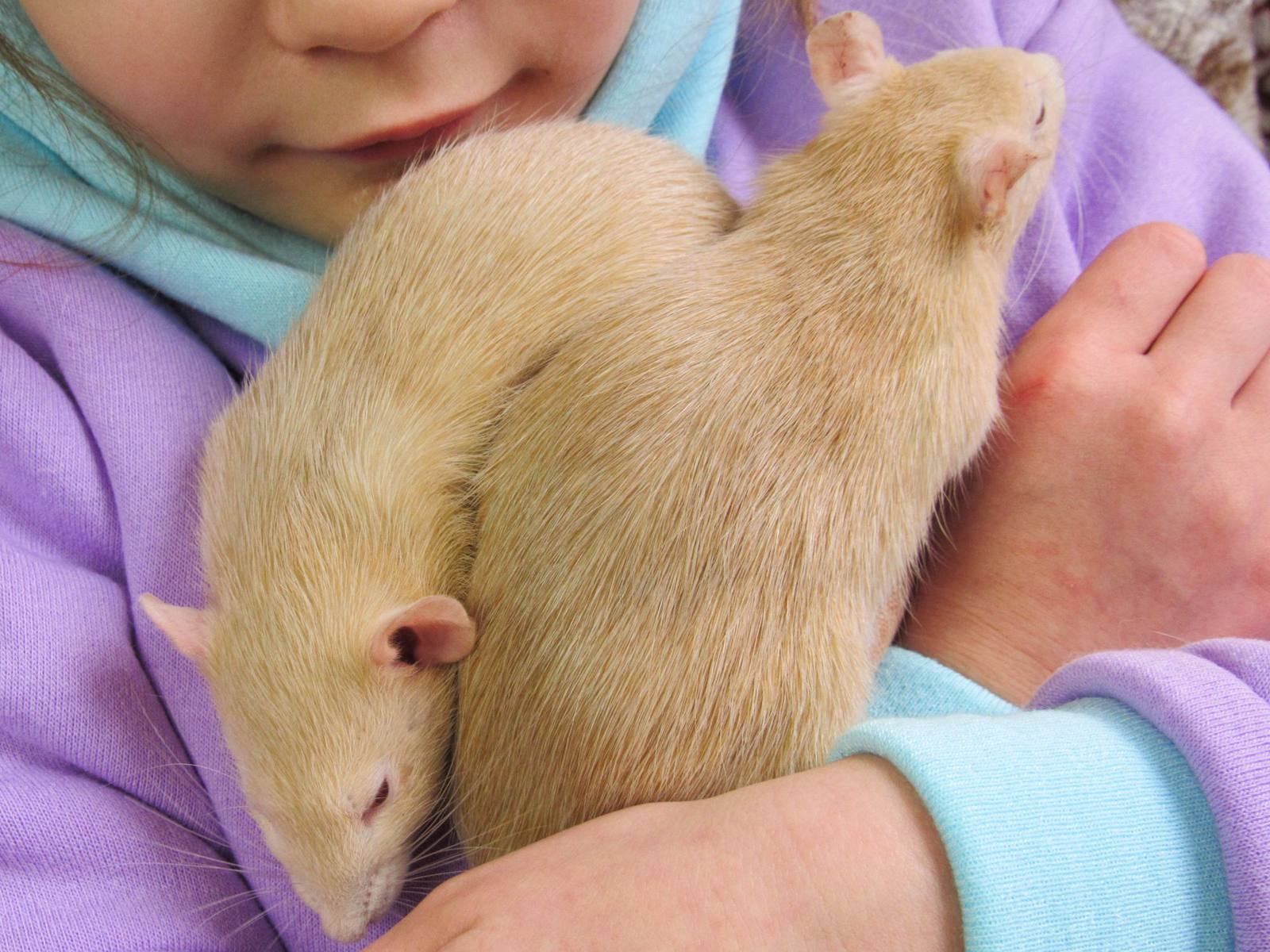
The gentlest pets that are least likely to bite are guinea pigs, fish, land snails, leopard geckos, and pet rats. These animals are calm, rarely nip, and forgive the odd clumsy cuddle — which makes them some of the best first pets for children who worry about biting. The honest truth, though, is that any animal with a mouth can bite if it is scared or hurt, so the real secret is choosing a naturally gentle animal and teaching calm handling.
Why do pets bite in the first place? Almost never out of meanness. A pet bites when it feels trapped, startled, woken suddenly, or squeezed too hard — or when a hand smells like snack food. That is good news, because it means biting is mostly preventable. Pick a gentle species, teach your child a slow and quiet way to hold it, and wash hands before handling, and nips become rare. The American Veterinary Medical Association recommends matching the animal to your family’s age, time, and experience before you bring one home (AVMA: selecting a pet for your family).
It also helps to know that a pet handled gently and often from a young age grows up trusting hands, while one that is grabbed, chased, or startled learns that hands mean trouble. So the calmer and more predictable your household is with a new pet, the less likely it is to ever bite — temperament and training matter at least as much as the species.
The gentlest pets, ranked by how unlikely they are to bite
Guinea pigs are our top pick for a cuddly, gentle starter pet. They almost never bite, they “popcorn” and squeak happily when they trust you, and they are big enough for small hands to hold safely close to the floor. Give them a roomy home and a friend — they are herd animals who are happiest in pairs — and they become confident, affectionate little companions. See our guinea pig cage guide to set them up right.
Fish and land or aquatic snails are the only truly zero-bite pets — there is simply nothing to nip with. A small aquarium teaches daily feeding and routine, and watching fish is genuinely calming for an anxious or busy child. If your family wants a hands-off pet that still feels alive and responsive, start with our beginner fish tank guide.
Leopard geckos are the gentlest of the beginner reptiles. They move slowly, tolerate careful handling, and rarely bite — and a bite from one barely registers. They are also a good choice for families with fur allergies, since they have no dander. New to reptiles? Our beginner reptile guide and gecko setup guide walk you through it.
Pet rats surprise a lot of parents. They are smart, affectionate, and famously gentle — many will ride around on a shoulder, learn their names, and come when called. Because they are handled so much by good breeders and owners, well-socialized rats almost never bite. They do have short lives (about two to three years), which is worth talking through with your child ahead of time so it is not a shock later.
Bearded dragons are calm, curious lizards that tolerate handling better than almost any other reptile. An adult “beardie” may give a warning nip if it mistakes a wiggling finger for food, but day to day they are docile and easy to hold — many seem to genuinely enjoy hanging out with their people. They are a fantastic step up for a child ready for a bigger, more interactive pet, with one rule attached: reptiles carry salmonella even when they look perfectly well, so everyone washes hands with soap and warm water after touching the animal or anything in its tank, and the CDC advises against reptiles in homes with children under 5. For older kids who can be trusted with the handwashing they are a lovely choice — start with our bearded dragon setup guide.
Rabbits make the list with a caveat. A well-handled rabbit is sweet and rarely bites, but rabbits do not love being picked up — they feel safest with four feet on the ground, and a scared rabbit may nip or scratch to be put down. The trick is to pet them at floor level rather than scooping them into the air. Taught that way, they are gentle, characterful companions; see our rabbit hutch guide.
Cats can be wonderfully gentle, but it is very breed- and personality-dependent, and cats scratch and “play-bite” more than the animals above — especially kittens, who use teeth and claws in play. An adult cat from a shelter, chosen for a calm temperament, is often a far better bet for young kids than a nippy kitten. Our team always suggests you adopt from a shelter, where staff can steer you toward a laid-back, kid-friendly cat whose personality is already known.
Teach your kid this grip (the bite-proofing part)
The single best way to prevent bites is to teach your child a calm handling routine and stick to it. Here is the simple version to practice together:
1. Wash hands first. Hands that smell like a peanut-butter sandwich get investigated with a nibble — clean hands prevent most “food mistake” bites. 2. Approach slowly and from the side, never swooping down from above like a hawk, which scares prey animals. 3. Scoop low and support the whole body, holding the pet close to your lap or the floor so a wriggle never ends in a fall. 4. Watch for “put me down” signals — squirming, thumping, flattened ears, or a puffed-up body — and set the pet down before it feels it has to nip. 5. Never wake a sleeping pet by grabbing it, especially night-active animals like hamsters; talk first, let it see you, then lift.
It also helps to keep handling sessions short and calm, to have a grown-up supervise young children every single time, and to give every pet a quiet hide it can retreat to when it has had enough. A pet that always has an escape route rarely feels cornered enough to bite. The ASPCA has good, simple welfare basics for families getting started (ASPCA: general pet care).
What to do if a pet does nip
Even with the best animal and the best handling, an occasional nip can happen — so plan for it calmly. Wash any broken skin with soap and water, and see a doctor for anything more than a scratch (or for any bite that becomes red or swollen). Just as important: do not punish the pet. A bite is communication, not misbehavior — it means the animal was frightened or hurt. Figure out what set it off (a sudden grab, a sore spot, hunger), give it space, and go slower next time. Kids who learn to read a pet’s “I’m nervous” signals almost never get bitten twice.
A few honest cautions
No pet is 100% bite-proof, and that is an important thing to say out loud to a child. Even the gentlest guinea pig may nip if it is in pain or terrified, and a hungry animal can mistake a finger for food. Teach kids that a bite is a pet’s way of saying “I’m scared,” not a reason to be angry with it. And match the animal to your child’s age: our picks for the very youngest are in the best pets for toddlers guide, and for ages five to eight see the best pets for young kids. And if you are weighing a trickier animal, our guide to the worst first pets (and what to get instead) can save you a costly mistake.
Not sure which gentle pet fits your family’s space, time, and budget? Take our free pet quiz for a personalized match in about a minute.
🛒 Recommended supplies
Hand-picked gear for this guide. Affiliate links — we may earn a commission. The $/$$/$$$ badges are a rough budget guide, not live prices.
👩🏫 Reviewed by a teacher
Stacey Fernandez, M.A. — gifted education teacher in New Mexico
Stacey has taught K-8 for more than a decade in New Mexico, Virginia, and Georgia — mathematics, algebra, information technology, and STEAM — and now teaches gifted education, holding New Mexico’s Gifted Education Endorsement. She reads our classroom pages the way a teacher reads a lesson plan: for whether the advice would actually survive a real classroom, a real school schedule, and a real group of children.
Neither her school nor her school district is affiliated with, or has endorsed, this site. How we review pages.