🐰 How to Choose the Best Rabbit Hutch or Cage
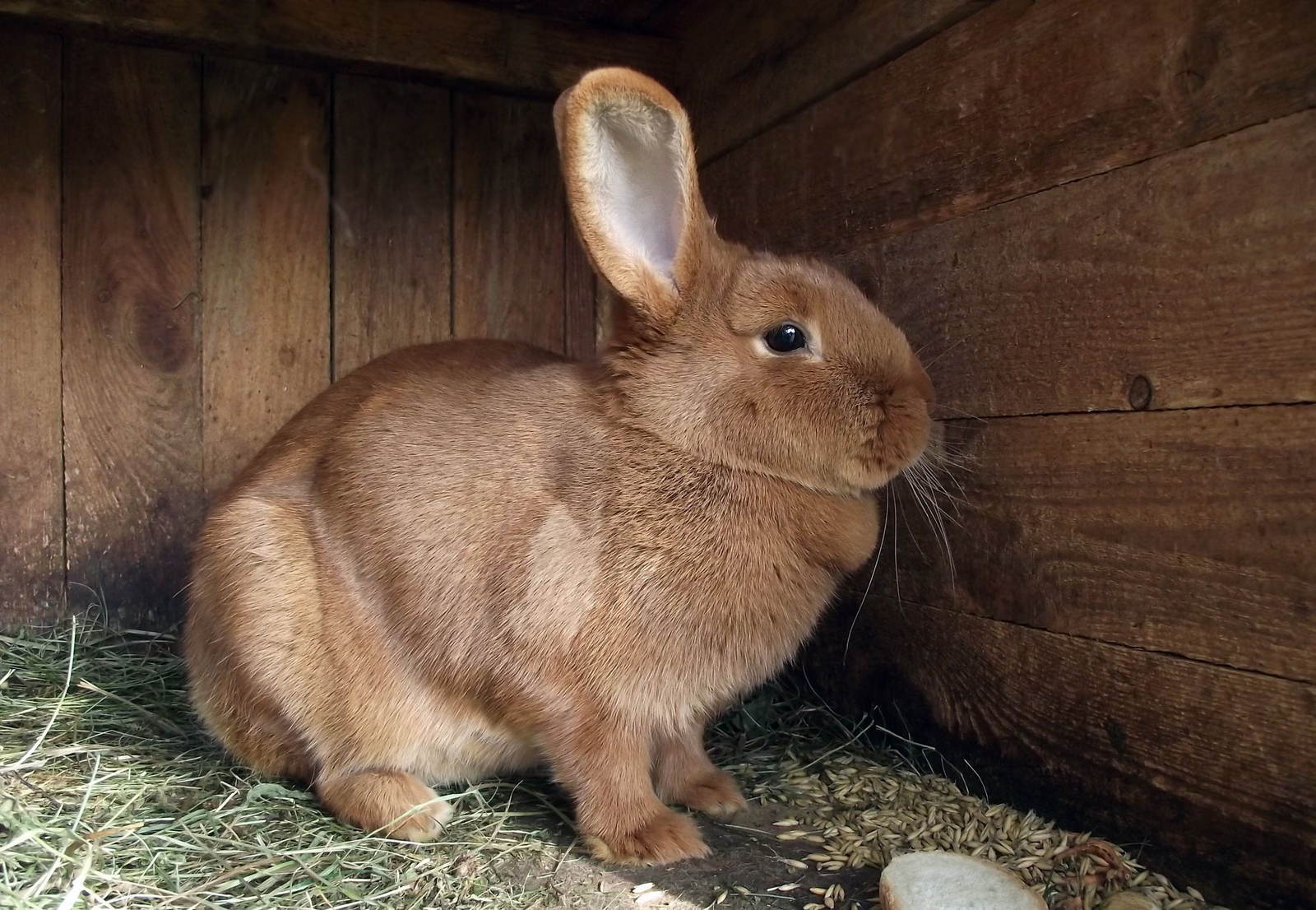
A rabbit is bigger, bouncier, and longer-lived than most first-time owners expect, and that shapes everything about their housing: they need lots of room and daily exercise. The hard truth is that most cages sold as "rabbit cages" are far too small — so the goal is to think in terms of space to move, not just a box to sit in.
How much space a rabbit needs
At a minimum, a pair of rabbits needs a space about 10ft x 6ft and 3ft tall, so they can take several full hops and stand right up on their hind legs without their ears brushing the top. Charities are clear that the whole space should be open to them all day, so attach the run to the hutch rather than shutting them in between play sessions. Rabbits are athletic and need to stretch, binky, and explore. A cramped cage isn't just uncomfortable; it leads to boredom and health problems.
Indoor setups: the flexible choice
For most families, the best and most flexible option is an indoor exercise pen (x-pen) or a large, rabbit-proofed room. This gives your rabbit room to move and keeps them part of family life. Rabbits are social and clever and should live in a bonded pair — a rabbit kept on its own really does suffer — and they are litter-trainable, which makes indoor living surprisingly tidy. Rabbit-proof the area by protecting cords and baseboards, since rabbits love to chew.
Outdoor hutches: safety first
If your rabbit will live outdoors, the hutch must be genuinely predator-proof and insect-screened. Use hardware cloth, not chicken wire (predators can tear or reach through chicken wire), and fit secure two-step latches that clever paws and determined raccoons can't open. The hutch should be covered and sheltered from the elements, with shade and weather protection — rabbits can overheat above about 80°F, so heat is a genuine danger. In warm weather, check your rabbit's bottom twice a day: flystrike can turn serious within hours, so call a vet straight away if you spot mess or maggots. As indoors, never use a wire floor, which hurts their feet.
What goes inside
Whichever setup you choose, furnish it with a hide box where your rabbit can retreat and feel safe, a litter box to make cleanup easy, and a hay rack to keep hay clean and within reach. Above all, rabbits need daily exercise and company to truly thrive.
Feeding
Diet is simpler than it looks, and hay is the star. Unlimited grass hay should make up the bulk of a rabbit's diet, alongside a daily portion of fresh leafy greens and only a limited amount of pellets. Hay isn't optional — the constant chewing keeps a rabbit's ever-growing teeth worn down and their digestive system moving, so it's essential to their health. Fresh water should always be available.
Health & longevity
Rabbits commonly live 8-12 years, so they're a long commitment — more like a cat or dog than a "starter" pet. Having your rabbit spayed or neutered brings real benefits: it improves litter-box habits, calms behavior, makes bonding with a partner easier, and reduces certain health risks. Because rabbits are prey animals that hide illness well, it's important to have a rabbit-savvy vet who can spot problems early — and to ask them about vaccinations: UK rabbits need yearly myxomatosis and RVHD shots, and US vets can now offer an RHDV2 vaccine.
Many wonderful rabbits are waiting in shelters and rescues, so consider giving a home to a rescue rabbit when you're ready.
Quick setup checklist
- About 10ft x 6ft and 3ft tall for a pair, open to them all day — not just at play time
- Indoor x-pen or rabbit-proofed room for most families
- Outdoor hutch: hardware cloth, two-step latches, insect screening, covered and shaded, never above ~80°F
- No wire floors
- Hide box, litter box, and hay rack
- Unlimited grass hay, fresh leafy greens, and limited pellets
- A bonded companion, plus a rabbit-savvy vet, vaccinations, and spay/neuter
If you're comparing gentle companions for your home, our guide to the best pets for kids is a helpful next step, and you can take our free pet quiz to find your perfect match.
🛒 Recommended supplies
Hand-picked gear for this guide. Affiliate links — we may earn a commission. The $/$$/$$$ badges are a rough budget guide, not live prices.
🧽 Cleaning & maintenance
Litter-trained rabbits are tidy, but their urine is high in calcium and leaves a chalky scale that ordinary soap will not budge. Scoop the litter box daily, and once a week empty it and soak off the scale with plain white vinegar (a rabbit-safe descaler) before refilling with paper litter and hay. Sweep up stray hay and droppings around the pen daily, wipe the floor, and wash the food bowl and water bottle. Spot-clean any soiled spots and do a full clean weekly. Rabbits are sensitive to fumes, so skip harsh cleaners — vinegar and water handle almost everything.
Cleaning supplies for this habitat. Affiliate links — we may earn a commission. The $/$$/$$$ badges are a rough budget guide, not live prices.
⚠️ Common rabbit setup mistakes
Already have one and something feels off? Start here. These catch almost everybody — none of them mean you have done badly, and every one of them is fixable.
Why does my rabbit hate being picked up?
The mistake: Picking your rabbit up and carrying them around.
Rabbits are built to run, not to be carried, and one that panics in mid-air kicks out hard. Their spine is fragile enough that a single twist can injure their back badly, sometimes for good — so a rabbit who hates being held isn't being difficult, it's being a rabbit.
Try this: Make friends at floor level instead: lie down, hold out a treat, and let them come to you. When you genuinely have to lift them, one hand under the chest and one under the bottom, held close to your body, and never by the ears or the scruff. Children can stroke and feed; an adult does the lifting.
Is muesli rabbit food bad for rabbits?
The mistake: Feeding a muesli mix instead of plain nuggets.
Rabbits eat the sweet flaky pieces and leave the fiber. University research tied those mixes to dental disease, weight gain and fewer droppings — and fewer droppings is the first step towards a gut that stops moving altogether.
Try this: Move to plain nuggets that all look identical, adding a bit more each day over about two weeks. An eggcup a day is enough for an average-sized rabbit; everything else should be hay and leafy greens. Carrot and fruit are candy, not dinner — thumbnail-sized, once in a while.
My rabbit hasn't eaten all day, is that an emergency?
The mistake: Waiting overnight when a rabbit stops eating.
A rabbit's gut has to keep moving all day and night. When they stop eating, the droppings stop too, and it can become life-threatening inside a day. The part that usually goes wrong is waiting to see if they perk up by morning.
Try this: Call a vet the same day, out of hours if you have to — tell them the rabbit is not eating and passing no droppings, and a rabbit-savvy clinic will treat it as urgent. Warning signs: hunched and very still, teeth grinding, a belly that looks bloated, or a clean litter tray. Glance at the tray daily so you spot it fast.
Why are my two rabbits fighting?
The mistake: Putting two rabbits together and hoping they bond.
Rabbits don't automatically like each other, and un-neutered ones will fight in earnest — not squabbles, but bites that damage ears and eyes. Even brothers and sisters raised together often fall out once they hit their teenage months.
Try this: Separate them now: side-by-side pens so they can see and smell each other but not reach. Get both neutered and wait a few weeks, then reintroduce in a space that belongs to neither, with two of everything and you watching the whole time. Neutering costs real money, but it's the step that makes the rest work — and many rescues run bonding sessions, which is worth asking about.
Is my rabbit warm enough outside in winter?
The mistake: Leaving the hutch outside unchanged through winter.
A hutch that's fine in June is cold and damp by January, and the damp does most of the harm — wet bedding freezes, water bottles ice up, and a chilled rabbit stops eating, which is dangerous all by itself.
Try this: Raise the hutch about four inches off the ground, turn it away from the wind, put newspaper down as a base with a deep layer of dry bedding on top, and cover it at night with a waterproof cover — leaving a gap so air still gets in. Check the water hasn't frozen. In a hard winter, move the whole setup into a shed or unused garage, but never one a car runs in, because exhaust fumes are dangerous.
❓ Common questions
How much does a rabbit cost to keep?
Setting up a rabbit habitat means buying the basics like rabbit exercise pen (x-pen), large outdoor rabbit hutch, litter box + hay feeder. Day to day, a rabbit runs about $30–$60 a month for food, bedding, and supplies — the one-time habitat setup and any vet care are extra.
Is a rabbit a good pet for an apartment?
Yes. Rabbits are fine in a home without a yard, so an apartment works as long as their habitat fits comfortably.
How much time does a rabbit need each day?
Some each day — feeding, fresh water, tidying the habitat, and a little gentle handling or attention. It's a real daily routine, but not a huge one.
📚 Where this comes from
We check our care advice against vets, animal charities, and government health guidance. Here is what this page is built on.
Vets, charities & official guidance
- Rabbit space recommendations — Rabbit Welfare Association & Fund
- Creating a good home for rabbits — RSPCA
- Creating the ideal home for your rabbits — PDSA
- Providing a home for a rabbit — Merck Veterinary Manual
- Flystrike in pets — RSPCA
Checked August 2026. These are other people’s websites, and none of it replaces your own vet — if a pet seems unwell, call one.