🏠 Adopt, Don't Shop: How to Adopt a Pet from a Shelter
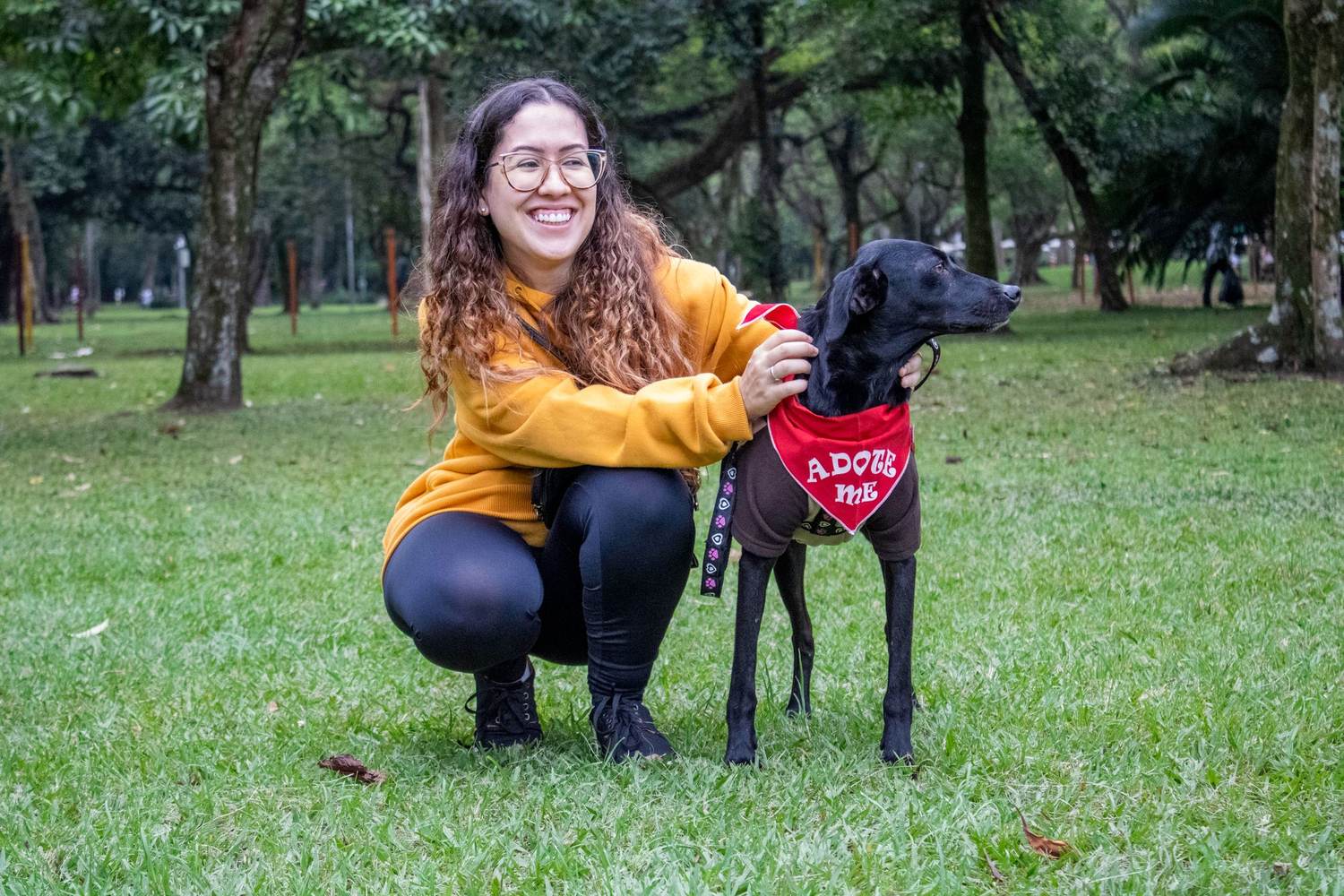
Should you adopt or buy a pet? For most families, adoption is the best first choice. When you adopt, you save a life, spend far less than buying from a breeder, and often bring home a pet that is already spayed or neutered, vaccinated, and microchipped. Shelters and rescues have pets of every kind and age, from puppies and kittens to senior dogs and cats, and even small pets like rabbits, guinea pigs, and hamsters. Responsible breeders exist too, so the real goal is simply to choose your pet thoughtfully and avoid cruel sources.
Why adoption is a great choice
Adopting a pet comes with real, practical advantages on top of the warm feeling of giving an animal a second chance:
- You save a life. Shelters are full of wonderful animals waiting for homes, and adopting one also frees up space to help another.
- It costs less. Adoption fees are usually a fraction of a breeder's price, and they often include vaccines, spay or neuter surgery, and a microchip.
- Many are already vetted. Lots of shelter pets are health-checked, up to date on shots, and sometimes already house-trained.
- Every type and age is available. You can find puppies, adults, and calm seniors, purebreds and mixes, plus rabbits, rodents, birds, and reptiles.
Adopting an adult pet has a hidden perk: their personality is already clear, so it is easier to find a calm, kid-friendly, or low-key companion that truly fits your home.
How to adopt the right pet
Adoption is easier than many families expect. Here is where to start:
- Local shelters and humane societies are full of adoptable pets and staff who can help match you with the right one.
- Breed-specific rescues are a great option if your heart is set on a particular kind of dog or cat; nearly every breed has one.
- Online databases such as Petfinder and Adopt-a-Pet let you search nearby animals by type, age, and size from home.
Before you visit, think honestly about your space, budget, and daily schedule, and involve the whole family. A good shelter will ask questions too, because they want a lasting match as much as you do. Not sure what suits you? Our Pet Finder can point you in the right direction.
Avoiding puppy mills and bad breeders
If you do decide to buy from a breeder, choosing a responsible one matters enormously. Puppy mills and backyard breeders often keep animals in poor conditions and sell pets with hidden health and behavior problems. Watch for these warning signs:
- The seller won't let you see where the animals live or meet the parents.
- Many breeds or a steady stream of litters are always available.
- Pets are sold very young, without vaccinations or health records.
- They sell through pet stores or online and ask you no questions.
A responsible breeder is the opposite: they welcome visits, health-test their animals, ask about your home, and will take a pet back if things don't work out. Good breeders genuinely care where their animals end up.
Adopt or shop: making a kind choice
This isn't about guilt. It's about giving an animal a good life. For most families, a shelter or rescue is the most affordable and rewarding place to find a pet, and it saves a life in the process. If you choose a breeder for a specific need, pick a responsible one and steer clear of mills. Either way, the kindest thing you can do is plan ahead and commit to caring for your new friend for its whole life.
Keep exploring with our guides to the best family dog breeds, the best pets for kids, and pets for busy families, or take our free pet quiz to find your perfect companion.
🛒 Recommended supplies
Hand-picked gear for this guide. Affiliate links — we may earn a commission. The $/$$/$$$ badges are a rough budget guide, not live prices.

❓ Common questions
Should I adopt or buy a pet?
For most families, adoption is the best first choice. It saves a life, costs less, and shelter pets are often already vaccinated and spayed or neutered. Responsible breeders exist too, but avoid puppy mills and backyard breeders.
What does "adopt don't shop" mean?
It's a phrase encouraging people to adopt pets from shelters and rescues instead of buying from stores or mills. The idea is to give homeless animals a chance while avoiding support for cruel breeding operations.
Is it cheaper to adopt a pet?
Usually yes. Adoption fees are typically much lower than a breeder's price, and they often include vaccinations, spay or neuter surgery, and a microchip, which saves you money later too.
Can you adopt small pets and rabbits, not just dogs and cats?
Absolutely. Many shelters and rescues have rabbits, guinea pigs, hamsters, birds, reptiles, and other small pets looking for homes, so adoption works for far more than just dogs and cats.
How do I avoid a puppy mill?
Ask to see where the animals live and meet the parents, look for health records, and be wary of sellers who always have litters available or sell through pet stores. Responsible breeders welcome visits and ask about you.
Where can I find pets to adopt?
Start with local shelters and humane societies, breed-specific rescues, and online databases like Petfinder and Adopt-a-Pet, which let you search nearby animals by type, age, and size.