
💬 For grown-ups: this page links to products on Amazon. As an Amazon Associate I earn from qualifying purchases. How we pick gear →

Dogs are playful, loyal companions that become a real member of the family. They love company, learn tricks, and are happiest when they are part of everything you do — but they need the most time and care of any pet here.
Is a dog a good pet for kids?
Quick answer: Dogs are some of the best pets for kids. Dogs are playful, loyal companions that become a real member of the family.
- 👍 Best for: loving, loyal, and bonds closely with kids, active — great for families who like to play outside
- 👀 Keep in mind: needs daily walks and lots of attention
- ⏳ Lifespan: 10–15 years
- 💲 Ongoing cost: about $50–$120/mo (setup & vet extra)
📋 Dog at a glance
Should I get a dog?
💚 Why you'll love a dog
- Loving, loyal, and bonds closely with kids
- Can be trained and loves to learn
- Active — great for families who like to play outside
- Lives a long time, so a true long-term friend
⚠️ Things to know
- Needs daily walks and lots of attention
- One of the more expensive pets (food, vet, grooming)
- Shouldn't be left alone all day
- Puppies need patience and training
The honest answer: Yes, if an adult, not the child, is signing up for ten to fifteen years of daily walks, training, vet bills, and constant supervision.
👍 Get one if…
- Someone's home for most of the day
- You already walk, hike, or play outside every day
- You'll supervise young kids and the dog together
- You'll treat training as a daily habit
👎 Think again if…
- Your house is empty from morning drop-off until evening
- You're counting on the kids for the daily walks
- You're picking a breed on looks alone
- Your budget has no room for a surprise vet bill
✅ Am I ready for a dog?
A dog is the biggest commitment on this site, and the one people most often take on before they are ready — not because a dog is hard to love, but because the loving is not the hard part. The hard part is the walk in the rain before school, the holiday that suddenly needs planning around, and the fact that it is all still true in twelve years' time.
The part people underestimate
Not how many hours, but which hours. Most families estimate a dog's daily time about right and are still caught out by when it falls: before work, after school, in the dark, in the rain, and — with a puppy — in the middle of the night for weeks. If nobody is reliably home during the day, solve that before you choose a breed. It matters more than size, coat or temperament.
Who a dog suits, and all 6 questions to answer honestly
Right for you if there is an adult who actively wants the dog rather than merely agreeing to it, and if somebody's day already has a shape a walk fits into. Dogs reward routine enormously. They suit people who like being outdoors in weather they would not choose, who want to be needed, and who could absorb an unexpected few hundred on a vet bill without it becoming a crisis.
Probably not yet if the honest answer to "who walks it before school" is that you will work it out, if the house is empty from eight until six with no plan for the middle of the day, or if the dog is principally for the children. Wanting a dog for your kids is a fine reason to get one and a poor reason to rely on one being cared for. It is also worth waiting if you are about to move, about to have a baby, or near the end of a tenancy you are not sure will be renewed — all three are common routes into rescue, and all three are visible months ahead.
There are no wrong answers, and a "not yet" is a perfectly good result: it usually means one fixable thing stands between you and a pet you would do well by.
Dogs need a walk and playtime every single day — even when it's raining or you're tired. Could you do that?
- Yes! Rain or shine, every day
- Most days, probably
- Honestly… maybe not every day
If that one gave you pause: Practice the routine: go for a 20-minute walk at the same time every day for two weeks — no skipping!
A dog can live 10–15 years. How old will you be then?
- I did the math — and my family is in for ALL of it
- Wow, that's a long time… but probably okay
- I hadn't thought about that
If that one gave you pause: Talk with your family about who will care for the dog in 5, 10, and 15 years — even when you're grown up.
Who will scoop the poop on walks and in the yard?
- Me — I promise, every time
- I'll share the job with a grown-up
- Ew… someone else?
If that one gave you pause: Poop patrol is part of the deal! Agree with your family on exactly who scoops before the dog comes home.
Dog food, vet visits, and supplies can cost $50–$120 every month. Has your family agreed to that?
- Yes, we've talked about the cost
- Sort of — we mentioned it once
- Not yet
If that one gave you pause: Sit down with a grown-up and add up dog food, vet checkups, and supplies for one year. Make sure it fits the family budget.
A new dog might chew shoes, jump up, or have accidents while learning. How would you react?
- Stay patient and keep training gently
- I'd be annoyed but get over it
- I'd get really upset
If that one gave you pause: Read about positive (reward-based) puppy training together — dogs learn from patience, never from yelling.
Dogs hate being alone all day. What's your house like?
- Someone's usually home, or we have a plan
- Empty some days — we'd figure it out
- Empty most of the day, most days
If that one gave you pause: Make an "alone-time plan": who lets the dog out at lunch? A neighbor, dog-walker, or family member can help.
How to care for your Dog
Dog care in depth
The biggest commitment of any pet on this list
A dog is a 10–15 year, daily, hands-on commitment — the most demanding pet here. Dogs are social animals that shouldn't be left alone all day; they need company, daily walks and play, training, grooming, and routine vet care. The costs are real too: food, vaccines, flea and tick prevention, dental care, and the occasional emergency add up to one of the highest lifetime costs of any pet. A dog fits families who genuinely have the time and budget to make it part of daily life.
Exercise, training, and socialization
Most dog "behavior problems" are really unmet needs. Dogs need daily physical exercise matched to their breed — a young working breed needs far more than a placid lapdog — plus mental stimulation and consistent, reward-based training from day one. Early, positive socialization as a puppy (meeting new people, dogs, and places) shapes a confident adult dog, and the window is short — start in the first three months, in clean, calm places like a puppy class, rather than waiting for the last vaccination. Skimping on any of these is the top reason dogs end up surrendered.
Choosing a dog: breed, energy, and adopt vs. shop
Match the dog to your life, not the other way around: weigh energy level, size, grooming needs, temperament, and the health problems a breed is known for rather than just looks. A high-energy breed in a low-activity home is a classic mismatch. We always encourage families to adopt — shelters and breed-specific rescues are full of wonderful dogs, including puppies and calm adults whose personality you can already see. If you buy, choose a responsible breeder who health-tests, never a puppy mill or pet store.
Bringing home a dog is exciting — but a dog needs your family every single day for 10–15 years. The good news? A little planning means you'll be ready before they ever walk through the door.
✅ Before you bring a dog home
🗓️ Your routine — easy chores to remember
- Fresh water and meals (usually twice a day)
- One or two walks
- Playtime, training, and lots of attention
- Clean up the yard and after walks
- Brush their coat
- Wash food and water bowls
- Practice training tricks
- Trim nails and check ears and teeth
- Flea, tick, and worm prevention
- Vet check-ups and shots as scheduled
💰 Monthly cost: Higher: food, vet visits, grooming, and supplies add up. Bigger dogs cost more.
🤩 Fun facts about your Dog
Dogs can learn over 150 words and read how you feel from your face and voice.







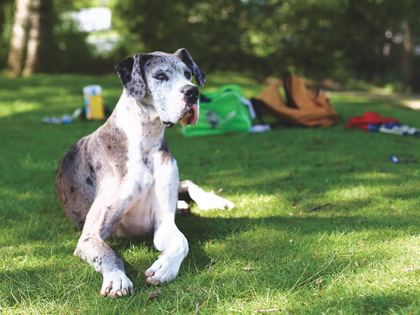
❓ Common questions about dogs
How much does a dog cost per month?
Plan on roughly $50–$120 per month for food, bedding and supplies, with a little set aside for routine care; setup and unexpected vet bills are extra. Higher: food, vet visits, grooming, and supplies add up. Bigger dogs cost more.
Are dogs good pets for kids?
Yes! Dogs rate 5/5 for kid-friendliness. Daily walks and play, gentle training, and never leaving them alone too long. Kids should learn to be calm and gentle, and never to bother a dog that is eating or sleeping. Always supervise young children and dogs together, however friendly the dog.
How long do dogs live?
Dogs typically live 10–15 years. Make sure your family is ready for that commitment before bringing one home.
Are dogs allergy-friendly?
Dogs can trigger fur and dander allergies. No dog is truly allergy-proof — curly, low-shedding breeds like Poodles and Bichons turn out to carry just as much dog allergen as any other. Some people do react less to one particular dog, so spend time with that dog before you decide.
Should I get a dog?
Yes, if an adult, not the child, is signing up for ten to fifteen years of daily walks, training, vet bills, and constant supervision. Get one if: Someone's home for most of the day; You already walk, hike, or play outside every day; You'll supervise young kids and the dog together; You'll treat training as a daily habit. Think again if: Your house is empty from morning drop-off until evening; You're counting on the kids for the daily walks; You're picking a breed on looks alone; Your budget has no room for a surprise vet bill.
Are dogs good pets for families?
Yes — dogs are loyal, affectionate family companions and rate highly for kid-friendliness. The catch is that they are the most time- and cost-intensive pet here, needing daily walks, training, company, and routine vet care, so they suit families with the time and budget to commit for 10–15 years.
How much does a dog cost?
Dogs are one of the more expensive pets. Beyond adoption or purchase, budget monthly for food, preventive vet care, flea and tick prevention, grooming, and supplies, plus an emergency fund — larger breeds generally cost more across the board.
What is the best dog for kids?
The best family dog depends on your home and activity level more than breed alone. Look for a gentle, tolerant temperament and an energy level that matches your family; many calm adult shelter dogs make excellent, lower-risk first dogs because their personality is already clear.
Should I adopt or buy a dog?
We encourage adoption first — shelters and breed rescues have puppies and adults of every type, often already vetted and with known personalities. If you buy, use a responsible breeder who health-tests their dogs, and avoid puppy mills and pet-store puppies.
Am I ready for a dog?
If you can name who does the morning walk on a wet Tuesday in February, who pays an unexpected vet bill, and where the dog goes when you travel, you are most of the way there. If any of those three is vague, you are not ready yet — and waiting a year costs nothing.
What age should a child be before getting a dog?
There is no single number, because it depends on the dog and the adults. The realistic rule is that the dog belongs to the grown-ups: a child can walk, feed and train alongside them, but no dog should depend on a child remembering.
Is a dog too much for a first pet?
Often, yes — not because families cannot cope, but because a dog gives you no room to learn. A smaller animal teaches the same routine of daily care with far lower stakes, and nothing is lost by getting a dog second instead of first.
🎬 Dog care video
A beginner care guide from YouTube. (Community video — always double-check with a vet.)
📚 Where this comes from
We check our care advice against vets, animal charities, and government health guidance. Here is what this page is built on.
Vets, charities & official guidance
- Preventing dog bites — AVMA
- Brachycephalic dogs policy — British Veterinary Association
- Puppy socialization position statement — AVSAB
- People foods to avoid feeding your pets — ASPCA
- Spaying and neutering — AVMA
Keeper & species-community guides
Checked August 2026. These are other people’s websites, and none of it replaces your own vet — if a pet seems unwell, call one.
