🐹 How to Choose the Best Guinea Pig Cage (Size Matters Most)
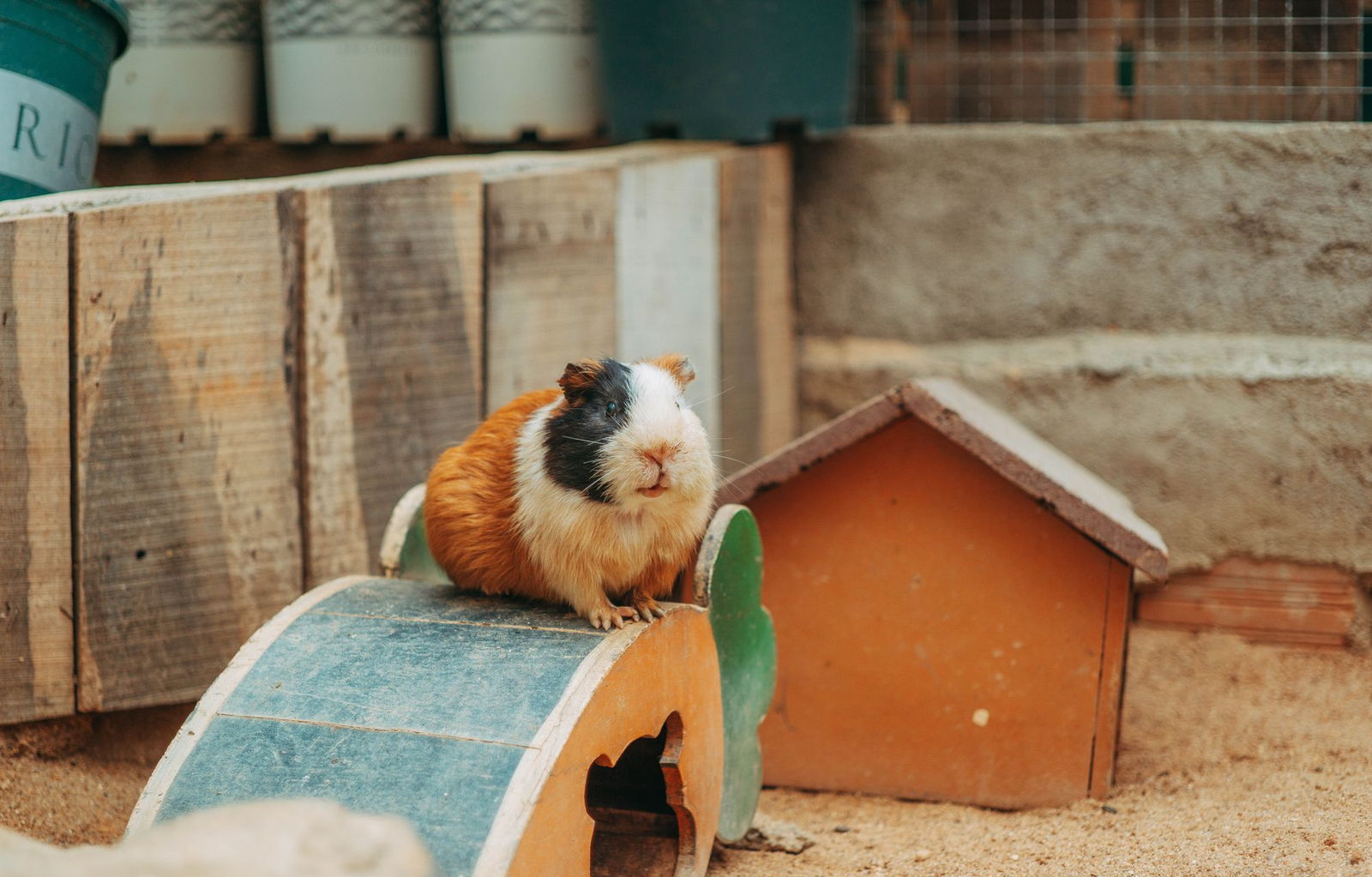
A guinea pig is a gentle, friendly, chatty little companion and one of the best first pets for kids — but the number one thing to get right is floor space. Guinea pigs need far more room than the small cages sold in most pet stores provide, and roomy housing is the single biggest factor in keeping them healthy and happy.
Cage size: floor space comes first
For guinea pigs, wide-open floor is everything. A pair needs at least 7.5 square feet, and about 10.5 square feet is the size to aim for — and since you should keep two (more on that below), plan for the larger size from the start. Bigger is always better; the extra room gives them space to run, "popcorn" with joy, and stay fit.
The best cage design
The best value for the space is a C&C cage — short for "cubes and Coroplast." These are roomy, affordable, and easy to expand as your needs grow. Crucially, guinea pigs don't climb, so build wide, not tall: a single large level is ideal, with only a low, gentle ramp if you add any second tier. Steep levels aren't just wasted on guinea pigs — they can be dangerous, since a fall can injure them.
What goes inside
Start with the floor itself: skip wire floors, which hurt guinea pigs' delicate feet, and use a solid base with soft bedding such as fleece or paper. Then add the comforts that make a cage feel like home: a hideout for each pig so nobody gets crowded out of a safe spot, a hay rack to keep their all-important hay clean, and a heavy, tip-proof bowl or a water bottle for fresh water. A couple of tunnels or chew-safe toys round things out.
Feeding & vitamin C
Here's the most important thing about feeding guinea pigs: they cannot make their own vitamin C and must get it from their diet, or they can become seriously ill. Provide it through fresh vegetables and vitamin-C-rich foods, offered daily. Alongside that, give unlimited grass hay — the bulk of the diet, essential for their teeth and digestion — and a measured amount of plain guinea pig pellets. Fresh water should always be available.
Company & gentle care
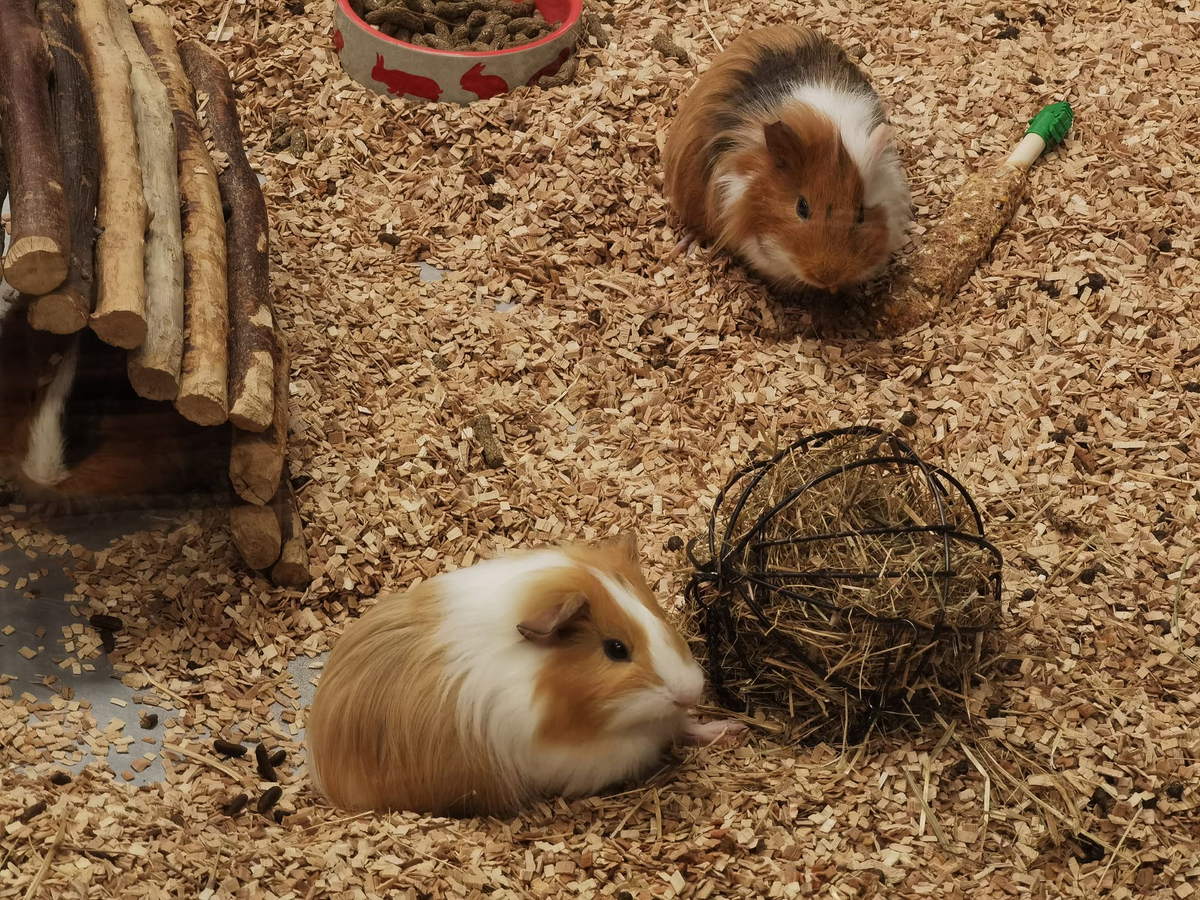
Guinea pigs are deeply social and can get lonely on their own, which is why keeping a pair matters so much — they'll chatter, cuddle, and keep each other company. They live around 5-7 years, making them a lovely medium-term commitment for a family. Because they're gentle and can be a little timid, they respond best to calm, gentle handling — perfect for teaching kids to be soft and patient with animals.
Quick setup checklist
- At least ~7.5 sq ft for a pair, with ~10.5 sq ft the size to aim for (keep two)
- Wide, single-level C&C-style cage; low gentle ramp only
- No wire floors — solid base with soft fleece or paper bedding
- A hideout for each pig, a hay rack, and a tip-proof bowl or water bottle
- Unlimited grass hay plus plain guinea pig pellets
- Daily fresh veggies and vitamin-C-rich foods (they can't make their own)
- A companion, and calm, gentle handling
If you're building the ideal first-pet setup, our guide to the best pets for kids pairs perfectly with this one, and you can take our free pet quiz to find your family's match.
🛒 Recommended supplies
Hand-picked gear for this guide. Affiliate links — we may earn a commission. The $/$$/$$$ badges are a rough budget guide, not live prices.
🧽 Cleaning & maintenance
Guinea pigs are messy little eating-and-pooping machines, so plan for frequent cleaning. Do a quick daily sweep of droppings and spilled hay, refill the hay rack, and scrub the water bottle (their veggies cloud it fast). If you use fleece, shake or vacuum it daily and swap it for a wash every 3–4 days; with paper bedding, spot-clean wet patches daily and change it all weekly. Wipe down the Coroplast base and the hidey-houses, and clean food bowls daily. Use a pet-safe cleaner or a vinegar-water mix and rinse well — and since piggies need constant vitamin C, never let damp pellets or old veggies sit and spoil.
Cleaning supplies for this habitat. Affiliate links — we may earn a commission. The $/$$/$$$ badges are a rough budget guide, not live prices.
⚠️ Common guinea pig setup mistakes
Already have one and something feels off? Start here. These catch almost everybody — none of them mean you have done badly, and every one of them is fixable.
Can I put vitamin C drops in my guinea pig's water?
The mistake: Adding vitamin C drops to the water bottle.
Vitamin C breaks down in water within hours, so most of it is gone before your guinea pig ever takes a drink. It also changes the taste, and some pigs then drink less — which is bad news for their bladder on top of the vitamin they were supposed to be getting.
Try this: Give it by mouth or in food instead. A slice or two of bell pepper most days is the cheapest reliable source, or use a plain guinea pig vitamin C tablet (roughly 25–50 mg a day). Buy pellets in small bags too — the vitamin C in them fades within about three months of being made.
Is muesli guinea pig food bad for guinea pigs?
The mistake: Feeding a colorful muesli-style guinea pig mix.
Given a mix, guinea pigs pick out the sweet flakes and leave the plain fiber pieces behind. They end up on a sugary diet, eat less hay, and their back teeth stop getting worn down — which is how dental problems and a sluggish gut start.
Try this: Switch to plain pellets where every piece looks the same. Go slowly: mix a little more of the new food in each day across about two weeks, so their stomach keeps up. Two tablespoons each per day is plenty — hay is the actual meal.
Can a guinea pig live with a rabbit?
The mistake: Giving a guinea pig a rabbit as company.
It looks like a sweet pairing, but they don't speak the same language, and one kick from a rabbit's back legs can break a guinea pig's ribs or back. Rabbits also commonly carry a germ called Bordetella that makes guinea pigs seriously ill, and the two need different food.
Try this: The real answer is a second guinea pig — rescues usually have pairs and will help match one to yours. If they already live together happily, don't split a settled pair: feed them separately, give the guinea pig a hideout with a doorway too small for the rabbit, and have the rabbit neutered.
Can guinea pigs get too hot in a sunny room?
The mistake: Putting the cage in a sunny warm spot.
Guinea pigs can't sweat, and they start to struggle above about 80°F. A cage by a sunny window, in a sunroom, or next to a radiator can climb past that in one afternoon, and heat stroke can kill in a matter of hours.
Try this: Move the cage to the coolest, shadiest room you have — free, and it takes five minutes. On hot days add a frozen water bottle wrapped in a towel to lean against, plus extra water. Flat-out lying, drooling or fast shallow breathing means call a vet now. In winter watch the opposite: no cold floors, no drafts.
Why does my guinea pig struggle when I pick it up?
The mistake: Letting kids carry the guinea pig around.
Most guinea pigs will put up with being held, but very few enjoy being lifted and carried — they're prey animals, and being off the ground feels like being caught. A wriggle out of a child's arms means a fall, and a fall from standing height breaks bones.
Try this: Do cuddles at floor level: sit down, towel on your lap, and lift with two hands from a low height only — one under the chest, one under the bottom. Keep visits short and let the pig choose when it's over. Everyone washes hands with soap afterwards, and after cleaning the cage.
❓ Common questions
How much does a guinea pig cost to keep?
Setting up a guinea pig habitat means buying the basics like c&c cage grids + panels, large guinea pig cage, fleece cage liners. Day to day, a guinea pig runs about $25–$45 a month for food, bedding, and supplies — the one-time habitat setup and any vet care are extra.
Is a guinea pig a good pet for an apartment?
Yes. Guinea pigs are fine in a home without a yard, so an apartment works as long as their habitat fits comfortably.
How much time does a guinea pig need each day?
Some each day — feeding, fresh water, tidying the habitat, and a little gentle handling or attention. It's a real daily routine, but not a huge one.
📚 Where this comes from
We check our care advice against vets, animal charities, and government health guidance. Here is what this page is built on.
Vets, charities & official guidance
- Guinea pig housing requirements — Humane World for Animals
- Housing and nutrition of guinea pigs — Merck Veterinary Manual
- Where should I keep my guinea pigs? — RSPCA Australia
- Creating a good home for guinea pigs — RSPCA
- Housing guinea pigs and enclosures — Woodgreen Pets Charity
Checked August 2026. These are other people’s websites, and none of it replaces your own vet — if a pet seems unwell, call one.