💬 For grown-ups: this page links to products on Amazon. As an Amazon Associate I earn from qualifying purchases. How we pick gear →
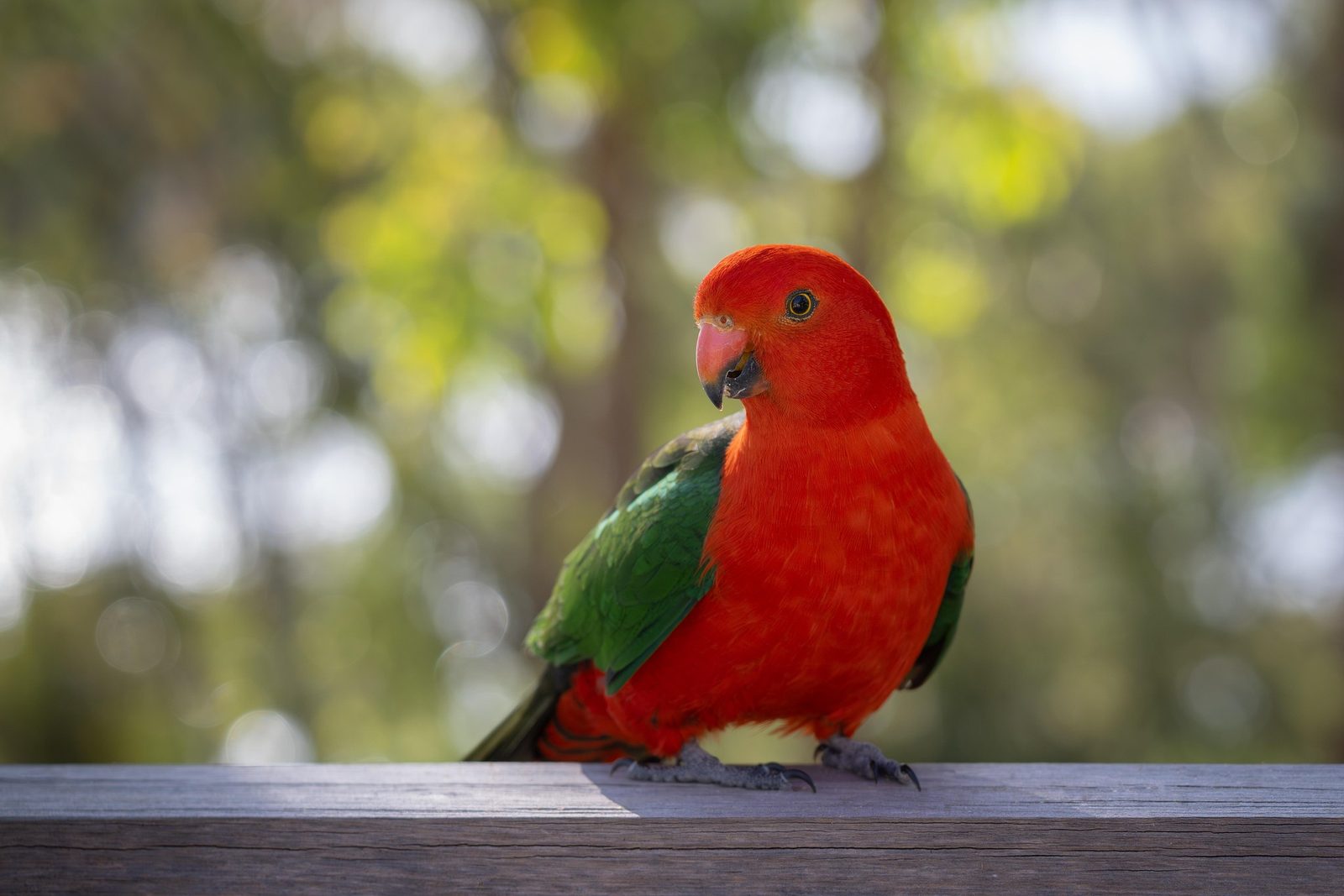
Large parrots — African greys, Amazons, eclectus, cockatoos, and macaws — are stunningly smart, affectionate, and chatty. But they're a lifelong, often decades-long commitment that can outlive you, and they're loud, messy, and need constant mental stimulation. A pet for very dedicated families. (Looking for a smaller, easier first bird like a budgie or cockatiel? See the Parakeet & Small Birds section.)
Is a parrot a good pet for kids?
Quick answer: Parrots are best for older kids with an adult helping. Large parrots — African greys, Amazons, eclectus, cockatoos, and macaws — are stunningly smart, affectionate, and chatty.
- 👍 Best for: incredibly smart — many learn to talk, beautiful and long-lived
- 👀 Keep in mind: can live 30–70+ years — may outlive you
- ⏳ Lifespan: 30–70+ years
- 💲 Ongoing cost: about $50–$120/mo (setup & vet extra)
📋 Parrots & Larger Birds at a glance
Should I get a parrot?
💚 Why you'll love a parrot
- Incredibly smart — many learn to talk
- Deeply bond with their family
- Beautiful and long-lived
- Endlessly entertaining
⚠️ Things to know
- Can live 30–70+ years — may outlive you
- Loud, messy, and need hours of attention
- Expensive cage, food, and vet care
- Can bite hard if unhappy
The honest answer: Only if you're choosing a pet for the rest of your life, not your child's childhood — a parrot bought for a ten-year-old often becomes the parents' bird.
👍 Get one if…
- You're planning decades ahead, including care after you
- Someone's home nearly all day
- You've kept smaller birds for years
- You want a talking, deeply bonded companion
👎 Think again if…
- Your child is choosing a pet that outlives their childhood
- You're in an apartment or share a wall
- Your home is empty all day — boredom becomes feather-plucking
- This is your first bird — start with a budgie
✅ Am I ready for a parrot?
A parrot is the longest commitment on this entire site — some outlive the person who buys them. They are brilliant, emotionally complex, loud by nature, and they need company and occupation on a scale most households underestimate. Nothing here is meant to discourage you. It is meant to make sure that if you do it, you do it with both eyes open.
The part people underestimate
The lifespan, and what it actually means. A parrot bought today may need a home in fifty years, which is a plan rather than a hope — people genuinely write parrots into wills. The second thing is noise: a happy parrot is loud, at volumes that carry through walls, and no amount of training changes that. Neither fact is negotiable and both are usually discovered late.
Who a parrot suits, and all 6 questions to answer honestly
Right for you if somebody is home most of the day, you can offer hours of interaction and enrichment, noise is not a constraint, and you can genuinely plan for the animal outliving your current circumstances.
Probably not if the house is empty on weekdays, if neighbours are close, or if this is a first bird — starting with a smaller species teaches you an enormous amount before taking on something that may share fifty years with you.
There are no wrong answers, and a "not yet" is a perfectly good result: it usually means one fixable thing stands between you and a pet you would do well by.
Big parrots can live 30–70+ YEARS — your parrot may outlive your childhood, your college years, maybe even YOU. Has your family truly planned for this?
- Yes — including who inherits the parrot
- We knew, but no real plan
- I had no idea
If that one gave you pause: Parrots often need to be "willed" to a younger family member! Have the full family meeting before anything else.
Parrots SCREAM. Loudly. Daily. (It's how they say good morning.) Can your home — and neighbors — handle it?
- We've heard it in person and we're fine
- We've only heard videos
- We need a quiet home
If that one gave you pause: Visit a parrot rescue and listen to the real volume — a cockatoo scream can hit 135 decibels (louder than a rock concert!).
A parrot needs HOURS of attention and training every day — like a toddler that can fly. Does your family have that time, every day, for decades?
- Yes — someone's home and committed daily
- Busy weeks would be hard
- We're out most of the day
If that one gave you pause: A bored parrot plucks its feathers and screams. Map out an honest daily schedule — hours, not minutes.
Parrots demolish wooden toys (on purpose — it's healthy!), and toy budgets run high every month. Plus exotic vet bills. Family budget ready?
- Yes — toys, food, and vet are budgeted
- Partly
- No budget talk yet
If that one gave you pause: Price it with a grown-up: pellets, fresh food, monthly destroyed toys, and exotic-vet checkups. It adds up fast.
Parrots bond like family members and can get jealous, moody, and nippy — they're emotionally complex. Has your family kept birds before?
- Yes — we're experienced bird people
- Small birds only
- This would be our first bird
If that one gave you pause: Big parrots aren't starter birds. Consider a parakeet or cockatiel first — or volunteer at a parrot rescue to learn.
Why do you want a parrot?
- A lifelong, brilliant companion to learn with
- Mostly because they talk
- They look cool on a shoulder
If that one gave you pause: Talking is a bonus, not a promise (some parrots never talk). Love the bird, not the trick!
How to care for your Parrots & Larger Birds
Parrots & Larger Birds care in depth
A decades-long commitment that can outlive you
Large parrots — African greys, Amazons, cockatoos, macaws — are among the most demanding pets a family can take on. Many live 30 to 70+ years, so a young parrot can genuinely outlive its owner, and experienced keepers plan for the bird's care after them. They're intensely intelligent and social, forming deep bonds and needing hours of daily interaction. This is a pet for very dedicated, experienced homes — not a first bird. (Want an easier start? A budgie or cockatiel from the small-birds group is far more beginner-friendly.)
Loud, messy, and easily bored
There's no such thing as a quiet large parrot — screaming is normal flock behavior, and a macaw's call can carry for a very long way, which makes them hard in apartments. They're also messy (scattered food, feather dust, chewed everything) and highly prone to boredom: a parrot without enough stimulation can develop feather-plucking and screaming from stress. They need the largest cage you can fit, daily out-of-cage time in a safe room, and a constant rotation of foraging toys.
Diet, safety, and an avian vet
An all-seed diet is a common cause of illness; parrots need a pelleted base plus lots of fresh vegetables and some fruit and nuts. Their airways are extremely sensitive, so fumes from non-stick (Teflon) cookware, smoke, and aerosols can be deadly — keep birds away from the kitchen. Establish care with an avian vet (not every vet treats parrots), since birds hide illness until they're seriously unwell. Done right, a parrot is a brilliant, affectionate companion; done casually, it suffers.
Parrots are brilliant, talkative, and deeply social — and a huge commitment, since larger ones can live 40–80 years. They need lots of attention and mental stimulation every day.
✅ Before you bring a parrot home
🗓️ Your routine — easy chores to remember
- Fresh water and food
- Several hours out of the cage
- Talking, training, and play
- Spot-clean the cage
- Clean the cage tray and perches
- Wash dishes and rotate toys
- Offer a bath or shower
- Deep-clean the whole cage
- Check beak and nails
- Avian-vet visit yearly or if unwell
💰 Monthly cost: Higher: a big parrot, huge cage, toys, and avian-vet bills are a major investment.
🤩 Fun facts about your Parrots & Larger Birds
Some African grey parrots learn over 1,000 words and use them in context.
❓ Common questions about parrots
How much does a parrot cost per month?
Plan on roughly $50–$120 per month for food, bedding and supplies, with a little set aside for routine care; setup and unexpected vet bills are extra. Higher: a big parrot, huge cage, toys, and avian-vet bills are a major investment.
Are parrots good pets for kids?
Parrots rate 2/5 for kid-friendliness — they're often more of a watch-and-learn pet for younger children. Daily gentle interaction and training; respect their moods to build trust and avoid bites.
How long do parrots live?
Parrots typically live 30–70+ years. Make sure your family is ready for that commitment before bringing one home.
Are parrots allergy-friendly?
Parrots produce feather dust that can bother allergies and asthma — especially cockatoos and greys.
Should I get a parrot?
Only if you're choosing a pet for the rest of your life, not your child's childhood — a parrot bought for a ten-year-old often becomes the parents' bird. Get one if: You're planning decades ahead, including care after you; Someone's home nearly all day; You've kept smaller birds for years; You want a talking, deeply bonded companion. Think again if: Your child is choosing a pet that outlives their childhood; You're in an apartment or share a wall; Your home is empty all day — boredom becomes feather-plucking; This is your first bird — start with a budgie.
Are parrots good pets?
For the right home, yes — large parrots are brilliant, affectionate, and interactive. But they're a decades-long, sometimes lifetime commitment, and they're loud, messy, expensive, and need hours of daily attention, so they suit only very dedicated, experienced owners, not first-time bird keepers.
How long do parrots live?
A very long time — large parrots commonly live 30 to 70 or more years, and some outlive their owners. Many owners make a plan for who will care for the bird later in its life.
Are parrots loud?
Yes. Loud calls and screaming are natural flock behavior, and a large parrot like a macaw can be extremely loud, which makes them difficult in apartments or shared housing. Excessive screaming often signals boredom or stress.
What do pet parrots eat?
A pelleted base plus plenty of fresh vegetables and some fruit and nuts. Avoid an all-seed diet, which causes health problems, and keep birds away from non-stick cookware fumes and other kitchen hazards, which can be fatal to them.
🎬 Parrots & Larger Birds care videos
Watch beginner-friendly care videos for your parrot.
▶ Watch Parrots & Larger Birds care videos on YouTube📚 Where this comes from
We check our care advice against vets, animal charities, and government health guidance. Here is what this page is built on.
Vets, charities & official guidance
- African grey parrots — VCA Animal Hospitals
- Table: popular pet birds — Merck Veterinary Manual
- Nutritional diseases of pet birds — Merck Veterinary Manual
- Foraging behavior in companion parrots — LafeberVet
- How to care for your pet bird — RSPCA
Checked August 2026. These are other people’s websites, and none of it replaces your own vet — if a pet seems unwell, call one.