Pug: Is It the Right Dog for Your Family?
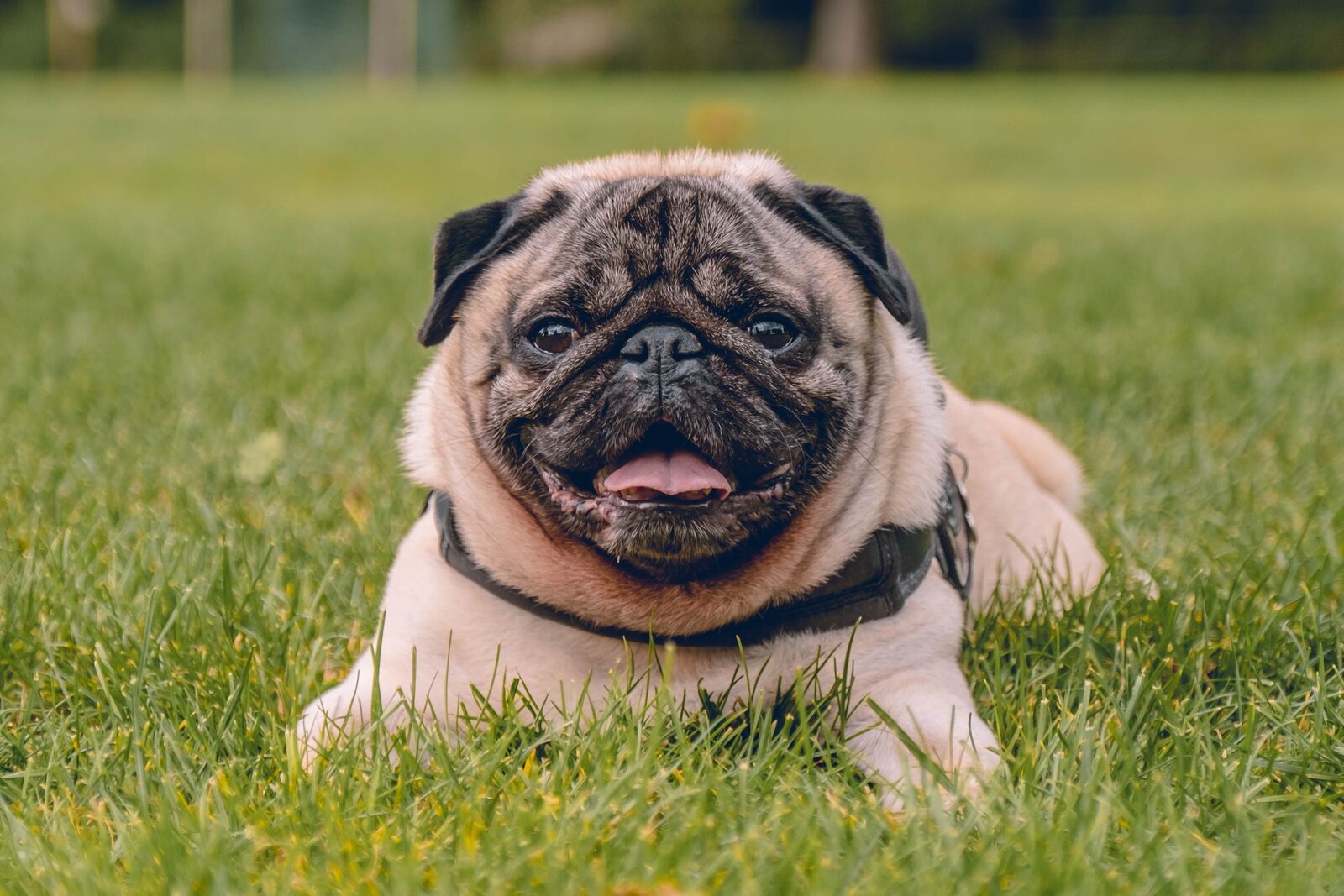
Pugs are one of the better choices for a family with children. Expect a small dog that is low-energy, sheds heavily and needs very little grooming. The big catch is running cost — this is one of the pricier dogs to keep well.
The numbers
| Height | 10–13 in |
|---|---|
| Weight | 14–18 lb |
| Life expectancy | 13–15 years |
Source: American Kennel Club breed standard.
What Pugs are actually like
Pugs were bred as companions for Chinese emperors well over two thousand years ago and have essentially never had another job, which is why they are so single-mindedly focused on human company. A group of them is called a grumble. They are comedians — sturdy, affectionate, entirely uninterested in exercise, and famously good with children. The face is the thing to take seriously. The Pug's flat muzzle causes real breathing difficulty, and veterinary and welfare bodies including the British Veterinary Association have raised significant concerns about breeding for that shape. Practical consequences: heat is dangerous, exercise must be gentle and never in the midday sun, the facial wrinkles need cleaning and drying, and the eyes are exposed and injure easily.
Day to day. Low-energy — short walks and a warm spot to sleep suit this breed fine, which makes it one of the easier dogs to fit around a busy family. On noise, it is quiet.
The coat, honestly. This breed sheds heavily and needs very little grooming. That is the opposite trade: almost nothing to do to the animal, but hair on the sofa, the car and your school uniform, all year.
Being left alone. Fine alone for a few hours. A full working day, every day, is asking a lot.
Training. Trains at an average pace. Consistent, reward-based training from day one does most of the work. With a puppy, buy the crate for the adult and shrink it with the divider meanwhile.
Get one if…
- You want a dog with a reputation for putting up with children
- Your idea of a walk is twenty gentle minutes, not five miles
- You want a dog whose coat looks after itself
- You are short on space and want a dog that fits your home
Think again if…
- You cannot live with hair on the sofa, the car and your clothes
- A surprise vet bill would be a real problem this year
Health worth knowing about
Every animal is an individual, and plenty of Pugs live long, healthy lives. This is here so nobody is surprised — ask a vet, and ask whoever you get the dog from what they have tested for.
What it costs to keep one
Rough running cost: $$$ (one of the pricier dogs on our list) — because the breed has known health issues that can mean extra vet visits.
Those are relative bands, not live prices. For real numbers across every pet we cover, see the pet cost study and the cost calculator.
Looking for one? Start at a shelter
Rescues do have Pugs and Pug crosses, usually adults whose size, coat and temperament you can see rather than guess at.
Often compared with

❓ Common questions about Pugs
Is a Pug good with kids?
Yes — Pugs have a strong reputation with children. As with any animal, an adult should supervise young kids and the dog together, and children need to learn to leave it alone while it eats or sleeps.
Do Pugs shed a lot?
Yes — heavily, and all year. If hair on the sofa and in the car would bother you, this is not the breed.
Can a Pug be left alone during the day?
For a few hours, yes. A full working day every day is asking a lot of any dog.
Is a Pug a good first dog?
It can be, with consistent reward-based training from the first day and realistic expectations about exercise.
Should I get a Pug?
Pugs suit a home that is fairly calm, can work around the animal's day, and can live with the hair. Meet the dog itself before deciding. Get one if: You want a dog with a reputation for putting up with children; Your idea of a walk is twenty gentle minutes, not five miles; You want a dog whose coat looks after itself; You are short on space and want a dog that fits your home. Think again if: You cannot live with hair on the sofa, the car and your clothes; A surprise vet bill would be a real problem this year.
📚 Where this comes from
We check our care advice against vets, animal charities, and government health guidance. Here is what this page is built on.
Vets, charities & official guidance
- Breed standards & vital statistics — American Kennel Club
- Preventing dog bites — AVMA
- Brachycephalic dogs policy — British Veterinary Association
- Puppy socialization position statement — AVSAB
- People foods to avoid feeding your pets — ASPCA
- Spaying and neutering — AVMA
Keeper & species-community guides
Checked August 2026. These are other people’s websites, and none of it replaces your own vet — if a pet seems unwell, call one.