Greyhound: Is It the Right Dog for Your Family?
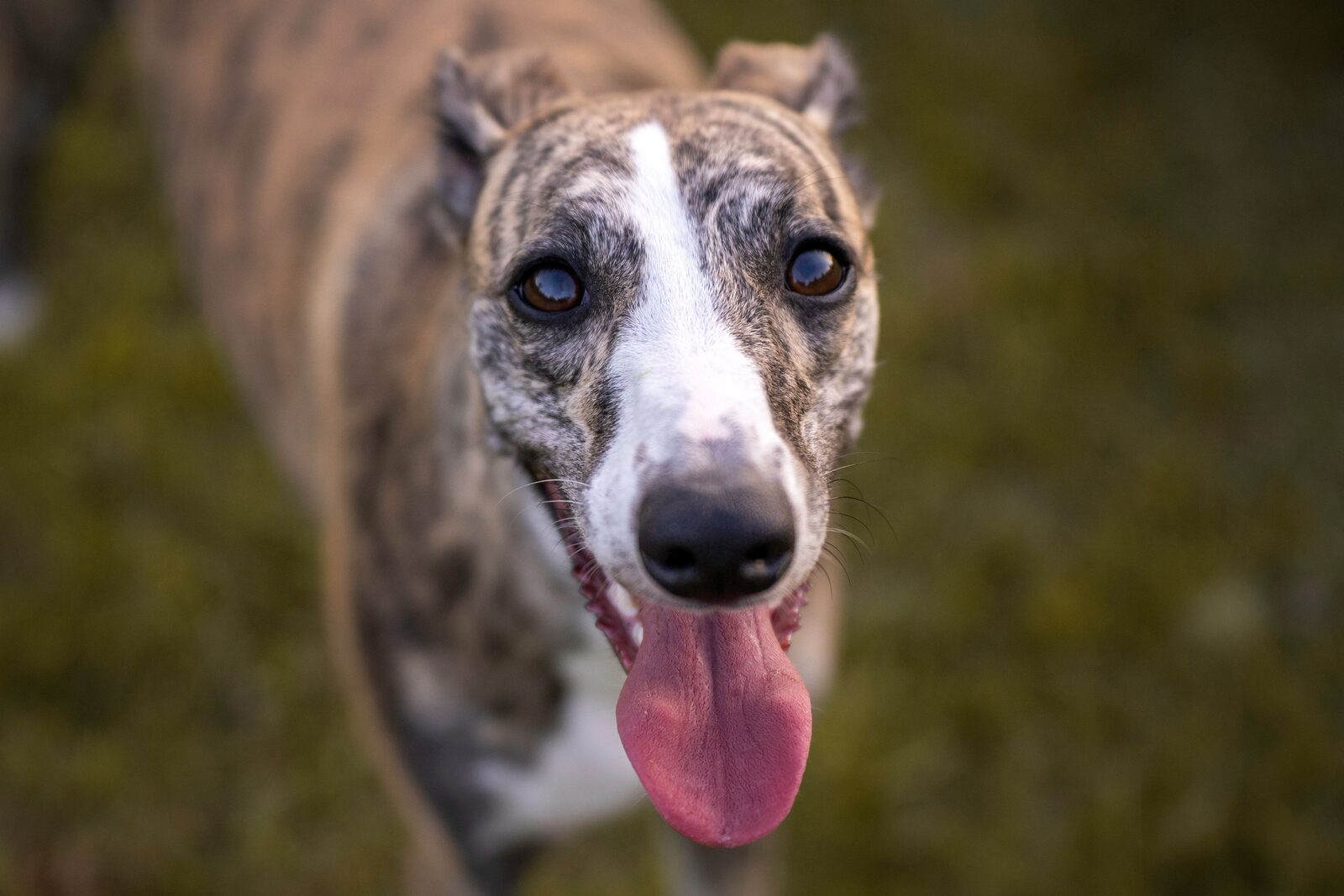
Greyhounds are one of the better choices for a family with children. Expect a big dog that is low-energy, barely sheds and needs very little grooming. Copes with a working day.
The numbers
| Height | 28–30 in (male), 27–28 in (female) |
|---|---|
| Weight | 65–70 lb (male), 60–65 lb (female) |
| Life expectancy | 10–13 years |
Source: American Kennel Club breed standard.
What Greyhounds are actually like
Greyhounds are among the most ancient dog types and were bred to course game by sight rather than scent, sprinting at speeds no other dog reaches. The surprise, and it surprises nearly everyone, is what they are like at home: a couple of hard sprints and a Greyhound will sleep eighteen hours a day. They are quiet, gentle, almost catlike, and they are one of the easiest large dogs to keep in a flat. Retired racing Greyhounds are widely available through dedicated adoption groups and often make superb first dogs, already crate-trained and unbothered by much. Two quirks: very little body fat means they feel cold and want a coat in winter, and a strong sight-chase instinct means off-lead freedom needs care.
Day to day. Low-energy — short walks and a warm spot to sleep suit this breed fine, which makes it one of the easier dogs to fit around a busy family. On noise, it is quiet.
The coat, honestly. This breed barely sheds and needs very little grooming. Next to nothing to do either way — the odd brush is a treat rather than a chore, and this is about as easy as a coat gets.
Being left alone. Copes with a working day. That makes it one of the more realistic choices for a family where everyone is out during the day, as long as the walks still happen.
Training. Trains at an average pace. Consistent, reward-based training from day one does most of the work. If it is a puppy, measure for the adult — this one ends up in the biggest crate made.
Get one if…
- You want a dog with a reputation for putting up with children
- Your idea of a walk is twenty gentle minutes, not five miles
- You would rather brush and pay a groomer than vacuum every day
- You want a dog whose coat looks after itself
- You have room for a big dog and a car it actually fits in
Think again if…
- You are in a flat, or nobody can physically hold this dog on a lead
What it costs to keep one
Rough running cost: $$ (middle of the pack) — because it is a big dog, so food, medicines and anaesthetics all cost more.
Those are relative bands, not live prices. For real numbers across every pet we cover, see the pet cost study and the cost calculator.
Looking for one? Start at a shelter
Rescues do have Greyhounds and Greyhound crosses, usually adults whose size, coat and temperament you can see rather than guess at.
Often compared with
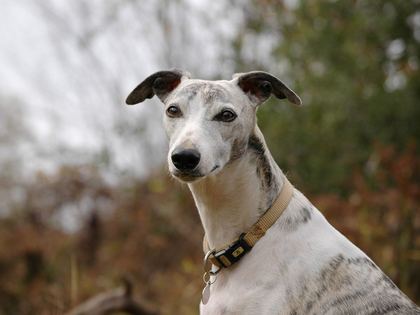
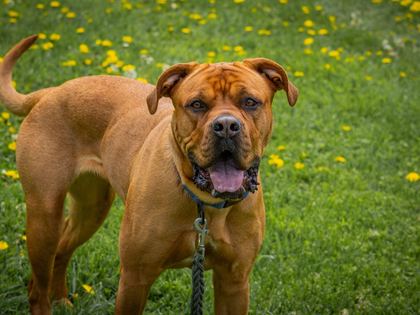
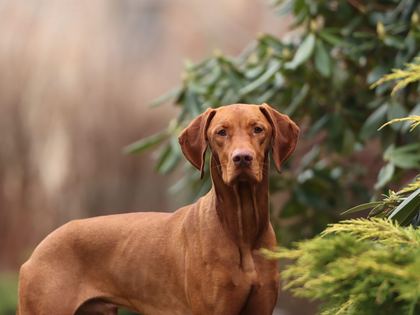
❓ Common questions about Greyhounds
Is a Greyhound good with kids?
Yes — Greyhounds have a strong reputation with children. As with any animal, an adult should supervise young kids and the dog together, and children need to learn to leave it alone while it eats or sleeps.
Do Greyhounds shed a lot?
Very little. The trade is grooming: this coat needs regular brushing and professional trims, or it mats.
Can a Greyhound be left alone during the day?
Better than most. This breed copes with a working day as long as the walks and company still happen either side of it.
Is a Greyhound a good first dog?
It can be, with consistent reward-based training from the first day and realistic expectations about exercise.
Should I get a Greyhound?
Greyhounds suit a home that is fairly calm, can work around the animal's day, and is not fussy about coat care. Meet the dog itself before deciding. Get one if: You want a dog with a reputation for putting up with children; Your idea of a walk is twenty gentle minutes, not five miles; You would rather brush and pay a groomer than vacuum every day; You want a dog whose coat looks after itself; You have room for a big dog and a car it actually fits in. Think again if: You are in a flat, or nobody can physically hold this dog on a lead.
📚 Where this comes from
We check our care advice against vets, animal charities, and government health guidance. Here is what this page is built on.
Vets, charities & official guidance
- Breed standards & vital statistics — American Kennel Club
- Preventing dog bites — AVMA
- Brachycephalic dogs policy — British Veterinary Association
- Puppy socialization position statement — AVSAB
- People foods to avoid feeding your pets — ASPCA
- Spaying and neutering — AVMA
Keeper & species-community guides
Checked August 2026. These are other people’s websites, and none of it replaces your own vet — if a pet seems unwell, call one.