Pomsky: Is It the Right Dog for Your Family?
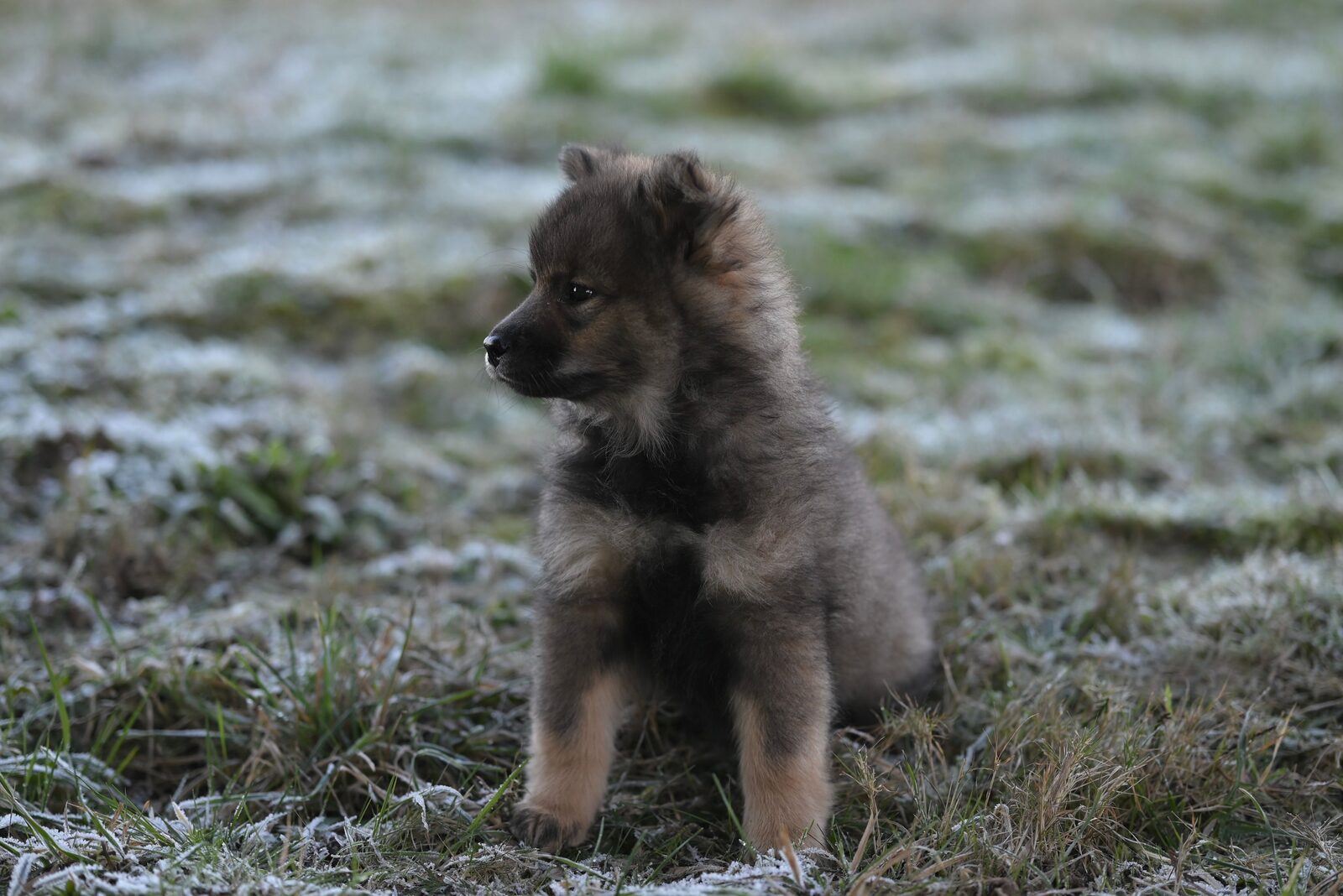
Pomskys are usually a better fit for a home with older kids or grown-ups. Expect a small dog that is high-energy, sheds heavily and needs professional grooming on a cycle. The big catch is running cost — this is one of the pricier dogs to keep well.
The numbers
| Height | Pomeranian 6–7 in · Siberian Husky 21–23.5 in |
|---|---|
| Weight | Pomeranian 3–7 lb · Siberian Husky 45–60 lb |
| Life expectancy | Pomeranian 12–16 years · Siberian Husky 12–14 years |
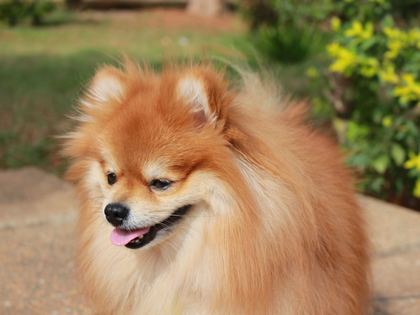
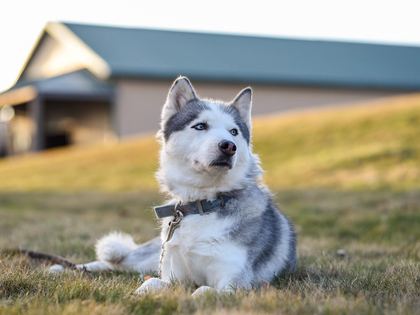
Pomsky is a cross, not a standardised breed, so there is no official standard for it. The figures above are the American Kennel Club standards for its two parent breeds — Pomeranian and Siberian Husky — and an individual dog lands somewhere between them, varying by generation.
What Pomskys are actually like
Look at the two parent rows above and the central problem is obvious: a three-to-seven-pound dog and a forty-five-to-sixty-pound dog, and the puppy lands somewhere in between with no reliable way to predict where. Adult size is a genuine gamble, and people who bought a "pocket husky" sometimes end up with a thirty-pound one. Because of the size difference the cross is generally produced by artificial insemination rather than natural mating. Temperamentally you get the Husky brain — vocal, stubborn, escape-prone, indifferent to recall — in a small, dense, heavily shedding package. Striking to look at, and one of the harder crosses to live with. Meet the parents and be realistic about how big yours may get.
Day to day. High-energy — this is a dog that needs a real outlet every single day, not a stroll. Skip that and you get chewing, barking and digging, which is not naughtiness, it is boredom. A food puzzle at dinner time is the cheapest way to give a busy brain a job when the weather cuts the walk short. On noise, it is very vocal, so thin walls and close neighbours are worth thinking about.
The coat, honestly. This breed sheds heavily and needs professional grooming on a cycle. This is the hardest coat of the lot: a groomer every month or two, brushing between visits, and the vacuum going the rest of the time.
Being left alone. Fine alone for a few hours. A full working day, every day, is asking a lot.
Training. Needs an experienced handler. That does not mean badly behaved — it means this breed thinks for itself, and it will not do something just because you asked. First-time owners often find it frustrating. With a puppy, buy the crate for the adult and shrink it with the divider meanwhile.
Get one if…
- Someone in the house genuinely wants to run, hike or train most days
- You are short on space and want a dog that fits your home
Think again if…
- Your daily walk is really a quick trip round the block
- Nobody has budgeted for a groomer every month or two
- You cannot live with hair on the sofa, the car and your clothes
- You share walls with neighbours who need quiet
- You have toddlers, or children still learning to be gentle
What it costs to keep one
Rough running cost: $$$ (one of the pricier dogs on our list) — because the coat needs a professional groom on a cycle, and that is the bill people forget.
Those are relative bands, not live prices. For real numbers across every pet we cover, see the pet cost study and the cost calculator.
Looking for one? Start at a shelter
Pomsky is a cross, not a standardised breed — two from different litters can differ in size, coat and shedding. Everything on this page is the typical middle of that range.
Rescues do have Pomskys and Pomsky crosses, usually adults whose size, coat and temperament you can see rather than guess at.
Often compared with
❓ Common questions about Pomskys
Is a Pomsky good with kids?
Pomskys are usually a better match for older children or an adult household. That is about the breed's tolerance for noise and handling, not about temper.
Do Pomskys shed a lot?
Yes — heavily, and all year. If hair on the sofa and in the car would bother you, this is not the breed.
Can a Pomsky be left alone during the day?
For a few hours, yes. A full working day every day is asking a lot of any dog.
Is a Pomsky a good first dog?
Not the easiest. This breed thinks for itself and will not do something just because you asked, which first-time owners often find frustrating.
Should I get a Pomsky?
Pomskys suit a home that moves a lot, can work around the animal's day, and has grooming in the budget. Meet the dog itself before deciding. Get one if: Someone in the house genuinely wants to run, hike or train most days; You are short on space and want a dog that fits your home. Think again if: Your daily walk is really a quick trip round the block; Nobody has budgeted for a groomer every month or two; You cannot live with hair on the sofa, the car and your clothes; You share walls with neighbours who need quiet; You have toddlers, or children still learning to be gentle.
📚 Where this comes from
We check our care advice against vets, animal charities, and government health guidance. Here is what this page is built on.
Vets, charities & official guidance
- Breed standards & vital statistics — American Kennel Club
- Preventing dog bites — AVMA
- Brachycephalic dogs policy — British Veterinary Association
- Puppy socialization position statement — AVSAB
- People foods to avoid feeding your pets — ASPCA
- Spaying and neutering — AVMA
Keeper & species-community guides
Checked August 2026. These are other people’s websites, and none of it replaces your own vet — if a pet seems unwell, call one.