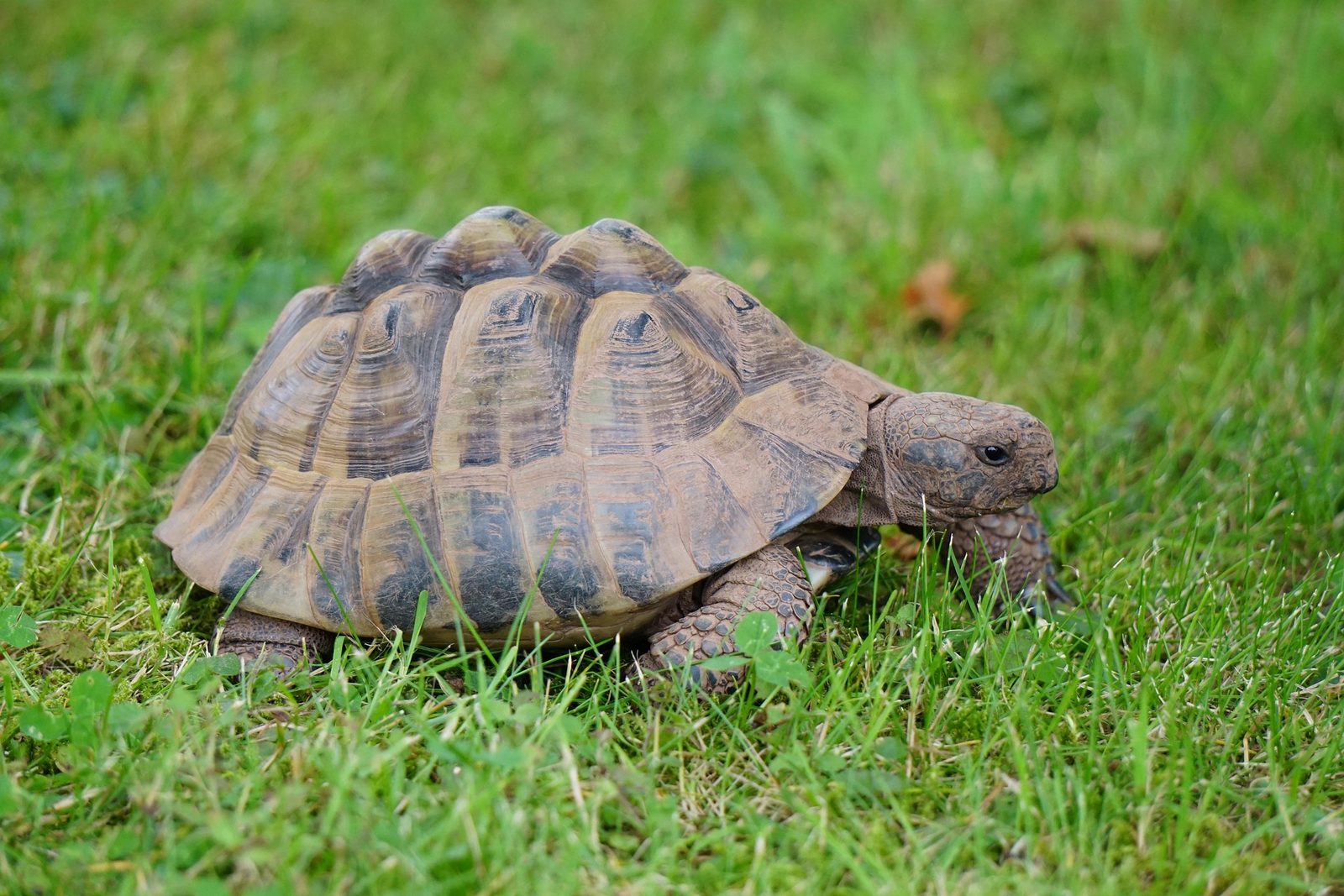
Tortoises are gentle, curious land reptiles that plod around munching greens. They're wonderful, hardy pets — but they can live for many decades (sometimes 100+ years) and some grow very large, so they're truly a lifelong, even multi-generational, commitment.
Is a tortoise a good pet for kids?
Quick answer: Tortoises are good pets for the right kid. Tortoises are gentle, curious land reptiles that plod around munching greens.
- 👍 Best for: gentle, calm, and curious, incredibly long-lived
- 👀 Keep in mind: can outlive their owners — a lifelong plan
- ⏳ Lifespan: 50–100+ years
- 💲 Ongoing cost: about $30–$60/mo (setup & vet extra)
📋 Tortoise at a glance
Should I get a tortoise?
💚 Why you'll love a tortoise
- Gentle, calm, and curious
- Allergy-friendly
- Incredibly long-lived
- Fun to watch roam and graze
⚠️ Things to know
- Can outlive their owners — a lifelong plan
- Some species get very big
- Need UVB, heat, and lots of space
- Can carry salmonella
The honest answer: Yes, if you can picture who is caring for it in sixty years; a tortoise is a pet you hand down, not a childhood phase.
👍 Get one if…
- You're ready to write a pet into your will
- Your kids would enjoy picking dandelions and weeds daily
- You have floor space for a big open pen
- You'd let one graze the lawn each summer
👎 Think again if…
- You can't answer "who gets it next"
- You have an under-five who touches everything
- You're charmed by a sulcata that hits 100 pounds
- You're treating UVB lighting as an optional extra
✅ Am I ready for a tortoise?
Wanting one and being ready for one are different questions. These are the ones worth answering honestly before you decide — there are no wrong answers, and a "not yet" is a perfectly good result.
Here's the big one: tortoises can live 50–100+ YEARS. Your tortoise may belong to your grandchildren. Is your family ready for a forever pet?
- Yes — we've even talked about who inherits it
- We knew, but haven't planned
- A pet older than ME?!
If that one gave you pause: A tortoise is a family heirloom with legs. Hold the multi-generation family meeting before anything else!
Tortoises need outdoor time (or a big indoor pen with strong UVB) and room to roam. What's your space like?
- A yard with a safe pen — or a big indoor setup
- Limited space
- Small apartment, no outdoor space
If that one gave you pause: Plan the habitat with a grown-up — a "tortoise table" indoors plus safe outdoor grazing time is the gold standard.
How to care for your Tortoise
Tortoise care in depth
A lifelong — even multi-generational — commitment
Before anything else, understand the timescale: many pet tortoises live 50 to 100+ years. A tortoise you get as a child can outlive you, so responsible owners literally plan for who inherits the tortoise. Some species also grow large (a sulcata can top 100 lb), so research the adult size of the exact species — small, manageable ones like the Russian or Hermann's tortoise are far better first choices than a sulcata that will need a heated shed.
UVB, heat, and space keep a shell healthy
Tortoises need strong UVB lighting and warmth to process calcium and build a healthy shell; without proper UVB they develop metabolic bone disease and shell deformities. Indoors, an open-topped tortoise table works better than a glass tank, with a basking spot and a warm hide, and many species do best with secure outdoor time in warm weather. Track temperatures and keep the enclosure clean and dry underfoot — but add a damp hide for a growing tortoise, since bone-dry air is what makes a young shell grow lumpy.
A high-fiber, low-fruit diet
Most tortoises are grazers that thrive on leafy greens, weeds, and grasses — high fiber, low sugar. Offer a variety of greens and safe weeds like dandelion, dust food with a calcium supplement, and go easy on fruit, which can upset their gut. Skip low-nutrition iceberg lettuce, and never feed meat or high-protein pet food to grazing species. As with all reptiles, wash your hands after handling — tortoises can carry salmonella.
Tortoises are gentle, slow, and famously long-lived — many outlive their owners, reaching 50–100 years! That makes one a true family heirloom you plan for carefully.
✅ Before you bring a tortoise home
🗓️ Your routine — easy chores to remember
- Fresh greens and water
- Check basking temperature and UVB
- Spot-clean the enclosure
- Clean the whole enclosure
- Offer a shallow soak
- Check shell and eyes look healthy
- Deep-clean and refresh substrate
- Replace UVB bulb every 6–12 months
- Reptile-vet check-up yearly
💰 Monthly cost: Higher over a lifetime: enclosure, lighting, and decades (or generations!) of care.
🤩 Fun facts about your Tortoise
Tortoises can live longer than people — some are passed down in families.
❓ Common questions about tortoises
How much does a tortoise cost per month?
Plan on roughly $30–$60 per month for food and supplies. Higher over a lifetime: enclosure, lighting, and decades (or generations!) of care.
Are tortoises good pets for kids?
They can be — tortoises rate 3/5 for kid-friendliness, so they suit gentle, slightly older kids. Low, supported handling is fine, but they mostly like to roam and graze on their own.
How long do tortoises live?
Tortoises typically live 50–100+ years. Make sure your family is ready for that commitment before bringing one home.
Are tortoises allergy-friendly?
No fur, so allergy-friendly — but wash hands well, as tortoises can carry salmonella.
Should I get a tortoise?
Yes, if you can picture who is caring for it in sixty years; a tortoise is a pet you hand down, not a childhood phase. Get one if: You're ready to write a pet into your will; Your kids would enjoy picking dandelions and weeds daily; You have floor space for a big open pen; You'd let one graze the lawn each summer. Think again if: You can't answer "who gets it next"; You have an under-five who touches everything; You're charmed by a sulcata that hits 100 pounds; You're treating UVB lighting as an optional extra.
How long do pet tortoises live?
Exceptionally long — commonly 50 to 100 or more years depending on species. A tortoise can outlive its owner, so many owners plan for its lifelong care, including who will take it on later. It is one of the biggest commitments in all of pet-keeping.
What is the best pet tortoise for beginners?
Small, hardy species like the Russian tortoise and Hermann's tortoise are the usual beginner picks. Avoid species that grow very large, such as the sulcata, which can exceed 100 pounds and need a heated outdoor shelter.
What do tortoises eat?
Mostly leafy greens, weeds, and grasses — high in fiber and low in sugar — with a calcium supplement dusted on the food. Limit fruit, avoid low-nutrition iceberg lettuce, and never feed grazing tortoises meat or high-protein pet food.
Do tortoises need UVB light?
Yes. Tortoises need strong UVB lighting and warmth to use calcium and grow a healthy shell; without it they develop metabolic bone disease. An open tortoise table indoors, plus secure outdoor time in warm weather, works better than a closed glass tank.
🎬 Tortoise care video
A beginner care guide from YouTube. (Community video — always double-check with a vet.)
📚 Where this comes from
We check our care advice against vets, animal charities, and government health guidance. Here is what this page is built on.
Vets, charities & official guidance
- Owning a tortoise — VCA Animal Hospitals
- Basic Information Sheet: Russian Tortoise — LafeberVet
- Reptiles, amphibians and Salmonella — CDC
Keeper & species-community guides
Checked August 2026. These are other people’s websites, and none of it replaces your own vet — if a pet seems unwell, call one.