
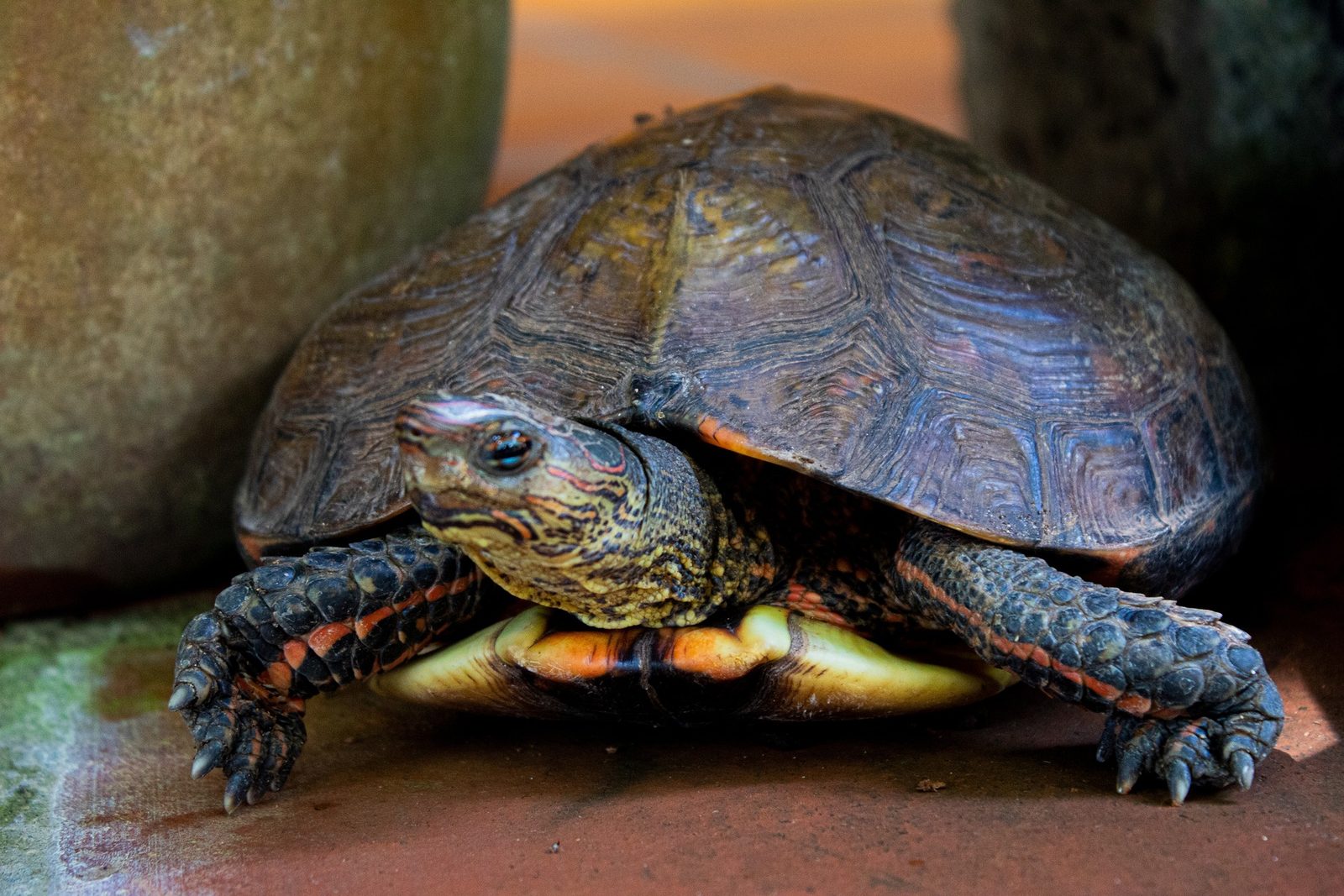
Aquatic turtles like the red-eared slider are hardy, curious, and interactive — they'll beg for food and bask under a lamp. But they get big, make a lot of mess, live for decades, and can carry salmonella, so they're a serious long-term family commitment, not a quick "small pet."
Is an aquatic turtle a good pet for kids?
Quick answer: Aquatic turtles are good pets for the right kid. Aquatic turtles like the red-eared slider are hardy, curious, and interactive — they'll beg for food and bask under a lamp.
- 👍 Best for: hardy, curious, and interactive, allergy-friendly
- 👀 Keep in mind: get big and need a large tank
- ⏳ Lifespan: 20–40 years
- 💲 Ongoing cost: about $25–$55/mo (setup & vet extra)
📋 Aquatic Turtle at a glance
Should I get an aquatic turtle?
💚 Why you'll love an aquatic turtle
- Hardy, curious, and interactive
- Fun to watch swim and bask
- Allergy-friendly
- Can live 30+ years
⚠️ Things to know
- Get big and need a large tank
- Messy — need strong filtration
- Can carry salmonella (wash hands!)
- A multi-decade commitment
The honest answer: Yes, but buy the adult's 100-gallon tank now, because that palm-sized hatchling becomes a dinner-plate turtle you'll still be filtering water for in twenty years.
👍 Get one if…
- You're treating this as a 100-gallon aquarium project
- Your kids prefer feeding and watching to handling
- You can name who'll be keeping it in twenty years
- You don't mind filters and water changes
👎 Think again if…
- You have kids under five — hence the 4-inch sale rule
- You were sold a 20-gallon tank as enough
- Your children hope for a turtle that enjoys handling
- Your backup plan is the local pond
✅ Am I ready for an aquatic turtle?
Wanting one and being ready for one are different questions. These are the ones worth answering honestly before you decide — there are no wrong answers, and a "not yet" is a perfectly good result.
Aquatic turtles can live 20–40 YEARS. Your turtle could meet your own kids someday. Are you (and your family) truly in?
- A lifelong turtle — we've all agreed
- That's a bigger deal than I thought
- 40 years?! Whoa
If that one gave you pause: Hold a family meeting about the 40-year promise — turtles are often given up because people didn't plan for it. Be the family that does!
Turtles are messy eaters and poop machines — they need a BIG tank (75+ gallons when grown) with a powerful filter. Got room and budget?
- Big tank + big filter — planned and priced
- We have a medium tank
- I pictured a little turtle bowl
If that one gave you pause: Research adult turtle sizes with a grown-up — that cute coin-sized hatchling becomes a dinner-plate-sized tank monster!
How to care for your Aquatic Turtle
Aquatic Turtle care in depth
They start small and get big — and messy
The palm-sized hatchling you picture becomes a dinner-plate-sized adult — and in the US a shop can't legally sell a turtle with a shell under 4 inches, a rule from 1975 that keeps tiny turtles, and the salmonella they carry, away from small children. A single red-eared slider needs a large tank — a common guideline is about 10 gallons of water per inch of shell, so a full-grown slider wants a 100–125 gallon tank. Turtles are also very messy eaters, so you'll need an oversized canister filter rated well above your tank size, plus regular water changes. Underestimating the tank and filtration is the number-one turtle mistake.
Basking, UVB, and clean water
Aquatic turtles need three things beyond water: a dry basking dock where they can climb fully out and dry off, a heat lamp over it (basking area around 90°F), and UVB lighting to process calcium and prevent shell disease. Keep the water clean and warm with strong filtration and weekly partial changes. A turtle that never fully dries off, or lacks UVB, develops shell rot and other health problems.
Salmonella, handling, and a decades-long commitment
Turtles commonly carry salmonella on their skin and shell, so always wash your hands after touching the turtle or its water, and they're not recommended for homes with very young children or anyone immune-compromised. Turtles are mostly a watch-and-feed pet — they don't enjoy being held and may nip. And they're a long haul: aquatic turtles routinely live 20–40 years. If your family ever can't keep yours, a turtle rescue will help rehome it — never let a pet turtle go in a pond or river.
Aquatic turtles are hardy and long-lived — many reach 20–40 years, so they're a pet you might have into adulthood. They need a big, clean tank with a basking spot.
✅ Before you bring an aquatic turtle home
🗓️ Your routine — easy chores to remember
- Feed (young turtles eat daily; adults less often)
- Check water and basking temperatures
- Make sure the basking light is working
- Test the water and change part of it
- Scrub algae and rinse the filter
- Check the shell and eyes look healthy
- Big water change and tank clean
- Replace UVB bulb every 6–12 months
- Reptile-vet visit yearly
💰 Monthly cost: Higher: a big tank, filter, lamps, and decades of care.
🤩 Fun facts about your Aquatic Turtle
Turtles can recognize their owners and swim over at feeding time.
❓ Common questions about aquatic turtles
How much does an aquatic turtle cost per month?
Plan on roughly $25–$55 per month for food and supplies. Higher: a big tank, filter, lamps, and decades of care.
Are aquatic turtles good pets for kids?
They can be — aquatic turtles rate 3/5 for kid-friendliness, so they suit gentle, slightly older kids. Mostly hands-off; support them low over a surface if you must lift them, and expect the odd nip.
How long do aquatic turtles live?
Aquatic turtles typically live 20–40 years. Make sure your family is ready for that commitment before bringing one home.
Are aquatic turtles allergy-friendly?
No fur, so allergy-friendly — but turtles commonly carry salmonella, so always wash hands well.
Should I get an aquatic turtle?
Yes, but buy the adult's 100-gallon tank now, because that palm-sized hatchling becomes a dinner-plate turtle you'll still be filtering water for in twenty years. Get one if: You're treating this as a 100-gallon aquarium project; Your kids prefer feeding and watching to handling; You can name who'll be keeping it in twenty years; You don't mind filters and water changes. Think again if: You have kids under five — hence the 4-inch sale rule; You were sold a 20-gallon tank as enough; Your children hope for a turtle that enjoys handling; Your backup plan is the local pond.
How big a tank does a pet turtle need?
Much bigger than people expect. A common guideline is about 10 gallons of water per inch of shell, so a full-grown red-eared slider needs roughly a 100–125 gallon tank plus an oversized filter. Undersized tanks and weak filtration are the top causes of turtle health problems.
Do pet turtles carry salmonella?
Yes — turtles commonly carry salmonella on their skin and shell. Always wash your hands after handling the turtle or its water, and they aren't recommended for homes with very young children or anyone with a weakened immune system.
What do aquatic turtles eat?
A mix of turtle pellets, leafy greens, and the occasional protein treat. Feeding in a separate container helps keep the main tank cleaner, since turtles are messy eaters.
How long do pet turtles live?
Aquatic turtles like the red-eared slider routinely live 20 to 40 years, so they are a serious multi-decade commitment, not a short-term small pet.
🎬 Aquatic Turtle care videos
Watch beginner-friendly care videos for your aquatic turtle.
▶ Watch Aquatic Turtle care videos on YouTube📚 Where this comes from
We check our care advice against vets, animal charities, and government health guidance. Here is what this page is built on.
Vets, charities & official guidance
- 21 CFR 1240.62, turtles under 4 inches — eCFR
- Salmonella and turtle safety — FDA
- Owning aquatic turtles — VCA Animal Hospitals
- Red-eared slider, an invasive species — Minnesota DNR
Keeper & species-community guides
Checked August 2026. These are other people’s websites, and none of it replaces your own vet — if a pet seems unwell, call one.