
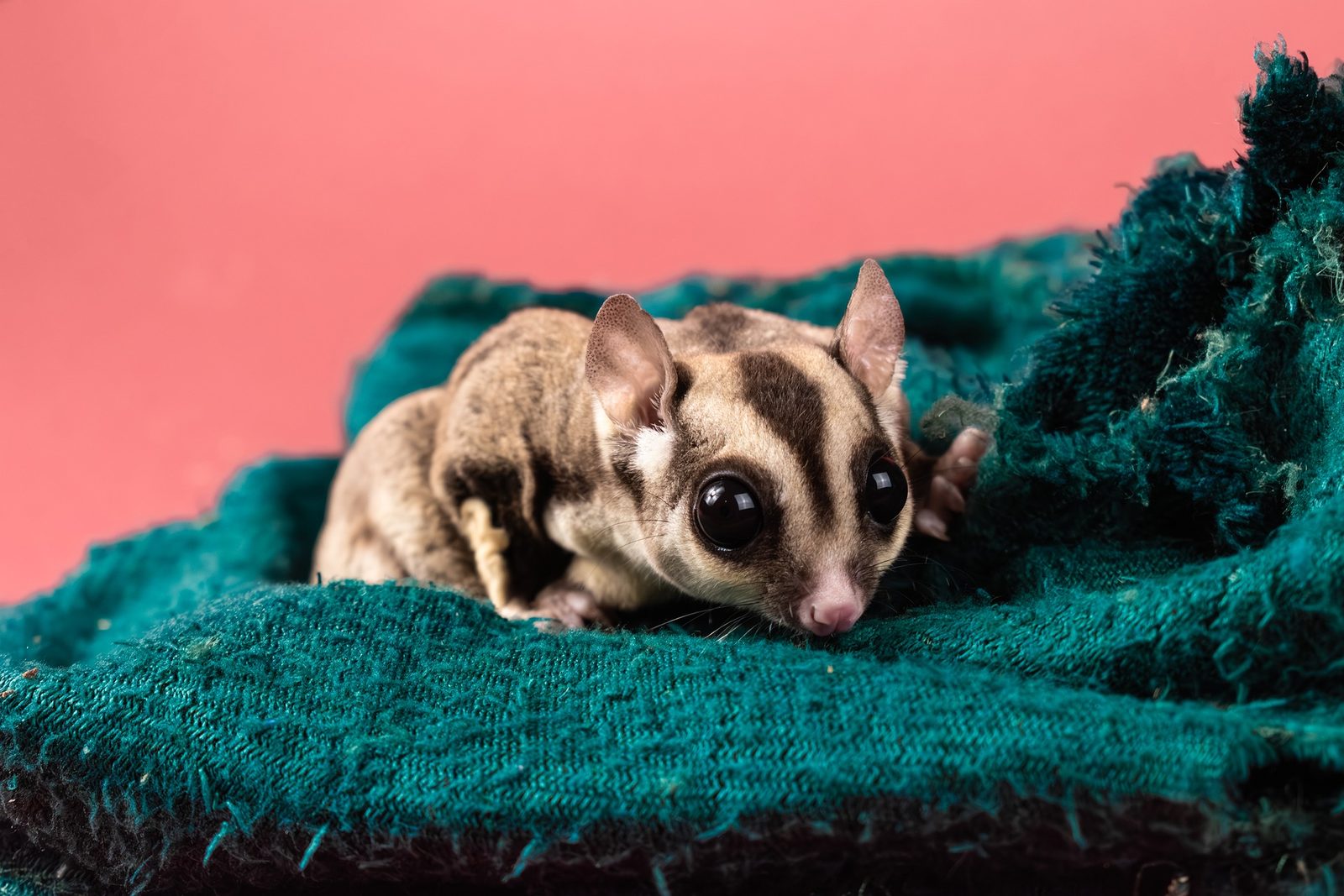
Sugar gliders are tiny, big-eyed marsupials that glide through the air and bond deeply with their humans — but they're a serious, advanced pet. They're awake at night, must live in pairs, need a complex diet, and live a long time, so they suit dedicated older keepers.
Is a sugar glider a good pet for kids?
Quick answer: Sugar gliders are best for older kids with an adult helping. Sugar gliders are tiny, big-eyed marsupials that glide through the air and bond deeply with their humans — but they're a serious, advanced pet.
- 👍 Best for: bond closely and ride along in a pocket, long-lived and very social
- 👀 Keep in mind: awake at night and need lots of attention
- ⏳ Lifespan: 10–15 years
- 💲 Ongoing cost: about $30–$60/mo (setup & vet extra)
📋 Sugar Glider at a glance
Should I get a sugar glider?
💚 Why you'll love a sugar glider
- Bond closely and ride along in a pocket
- Fascinating — they really glide
- Long-lived and very social
- Tiny and quiet
⚠️ Things to know
- Awake at night and need lots of attention
- Must live in pairs
- Need a special, varied diet
- Restricted or illegal in some areas
The honest answer: Only for a dedicated night owl: a bonded pair, an exact diet, a state that allows them, and fifteen years of a pet that sleeps all day.
👍 Get one if…
- Your free time starts after ten at night
- You're committed to a bonded pair, never one
- You'll follow an exact vet-approved diet plan
- You're happy carrying a glider around in a pouch
👎 Think again if…
- Your child would be asleep before it wakes
- You were told one glider will bond better alone
- You're hoping gliders are legal in every state
- You're hoping pellets and fruit are enough
✅ Am I ready for a sugar glider?
Wanting one and being ready for one are different questions. These are the ones worth answering honestly before you decide — there are no wrong answers, and a "not yet" is a perfectly good result.
Sugar gliders MUST live in pairs or groups — a lonely glider gets truly sick with sadness. Can you adopt two?
- Two gliders, absolutely
- Maybe, if family agrees
- I only planned for one
If that one gave you pause: This one's a dealbreaker: gliders need a same-species buddy. Plan for a bonded pair from day one.
Their dinner is homemade: fresh fruit and veggie mix plus protein, prepared EVERY evening. Can your family commit to nightly food prep?
- Nightly glider chef — we're in
- That's more than expected
- We need an easier pet
If that one gave you pause: Look up a glider diet plan (like BML) with a grown-up — it's real meal prep, every single night, forever.
How to care for your Sugar Glider
Sugar Glider care in depth
An advanced, night-owl pet that needs a friend
Sugar gliders are adorable but genuinely advanced pets. They're strictly nocturnal — asleep all day, active and chattery at night — so they suit night-owl keepers, not kids who want a daytime playmate. And they're intensely social: a lone glider can become depressed, self-harm, and fail to thrive, so keeping a bonded pair (or more) isn't optional — it's essential for their welfare.
The diet is complicated — and easy to get wrong
The number-one killer of pet sugar gliders is a bad diet. They can't live on pellets or fruit alone; they need a carefully balanced mix — a staple nectar/pellet formula plus the right ratio of fruits, vegetables, and insects, with the correct calcium-to-phosphorus balance to prevent metabolic bone disease. Follow an established, vet-approved diet plan exactly, and work with an exotic vet experienced with gliders. This is not a pet you can feed casually.
Housing, bonding, and legality
Gliders need a tall cage (they climb and glide) with branches, sleeping pouches, a safe wheel, and nightly playtime in a glider-proofed room — they slip through small gaps and get into trouble. Bonding takes patience: carrying them in a pouch against you helps them learn your scent, and once they trust you they'll nap on you and glide to you. One must-check: sugar gliders are restricted or illegal in some states and cities (and need permits in others), so confirm the law where you live first.
Sugar gliders are tiny gliding marsupials that bond closely with their family — but they're a big commitment. They're social, active at night, and live 10–15 years.
✅ Before you bring a sugar glider home
🗓️ Your routine — easy chores to remember
- Fresh water and their special diet
- Out-of-cage bonding and play in the evening
- Health and mood check
- Wash pouches and bedding
- Clean the cage and dishes
- Refresh toys and branches
- Deep-clean the habitat
- Check weight and nails
- Exotic-vet visit if needed
💰 Monthly cost: Medium: a tall cage, special diet, and exotic-vet care — and always a pair.
🤩 Fun facts about your Sugar Glider
Sugar gliders glide using a stretchy flap of skin between their legs.
❓ Common questions about sugar gliders
How much does a sugar glider cost per month?
Plan on roughly $30–$60 per month for food and supplies. Medium: a tall cage, special diet, and exotic-vet care — and always a pair.
Are sugar gliders good pets for kids?
Sugar gliders rate 2/5 for kid-friendliness — they're often more of a watch-and-learn pet for younger children. Bond slowly with pouch time; they love to nap on you and glide to you once they trust you.
How long do sugar gliders live?
Sugar gliders typically live 10–15 years. Make sure your family is ready for that commitment before bringing one home.
Are sugar gliders allergy-friendly?
Sugar gliders have fur and can have a musky scent; not ideal for allergy-sensitive homes.
Should I get a sugar glider?
Only for a dedicated night owl: a bonded pair, an exact diet, a state that allows them, and fifteen years of a pet that sleeps all day. Get one if: Your free time starts after ten at night; You're committed to a bonded pair, never one; You'll follow an exact vet-approved diet plan; You're happy carrying a glider around in a pouch. Think again if: Your child would be asleep before it wakes; You were told one glider will bond better alone; You're hoping gliders are legal in every state; You're hoping pellets and fruit are enough.
Are sugar gliders good pets?
Only for dedicated, experienced keepers. Sugar gliders are affectionate and fascinating, but they're strictly nocturnal, must be kept in pairs, need a complex specialized diet, live 10–15 years, and are illegal in some areas — an advanced pet, not a beginner one.
Do sugar gliders have to be kept in pairs?
Yes. Sugar gliders are highly social, and a lone glider can become depressed, self-harm, and fail to thrive. Keeping at least a bonded pair is essential for their wellbeing.
What do sugar gliders eat?
A carefully balanced diet — a staple nectar/pellet formula plus the right ratio of fruits, vegetables, and insects, with correct calcium balance. A poor diet is the leading cause of illness, so follow an established, vet-approved plan exactly.
Are sugar gliders legal to own?
Not everywhere. Sugar gliders are restricted or illegal in some U.S. states and cities and require permits in others, so always confirm your state and local laws before getting one.
🎬 Sugar Glider care videos
Watch beginner-friendly care videos for your sugar glider.
▶ Watch Sugar Glider care videos on YouTube📚 Where this comes from
We check our care advice against vets, animal charities, and government health guidance. Here is what this page is built on.
Vets, charities & official guidance
- Overview of sugar gliders — Merck Veterinary Manual
- Sugar gliders: owning — VCA Animal Hospitals
- Sugar gliders: feeding — VCA Animal Hospitals
- Sugar glider information sheet — LafeberVet
Keeper & species-community guides
Checked August 2026. These are other people’s websites, and none of it replaces your own vet — if a pet seems unwell, call one.